
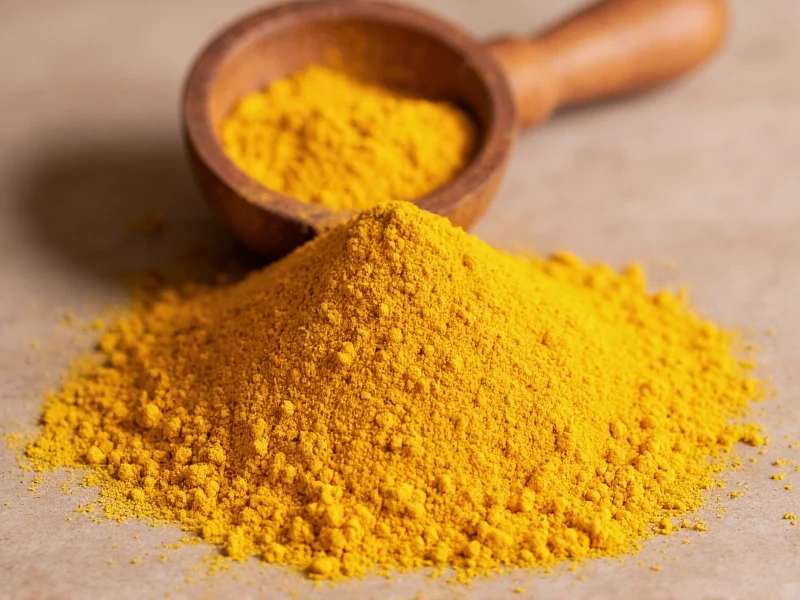
When home cooks and professional chefs search for 'spice yellow powder,' they're typically looking for information about turmeric—the golden-hued spice that transforms ordinary dishes into visually stunning culinary creations. Understanding this essential ingredient goes beyond mere identification; it involves knowing how to maximize its flavor potential, leverage its natural coloring properties, and incorporate it effectively into various cooking traditions.
What Exactly Is Turmeric Spice?
Turmeric, the most common interpretation of 'spice yellow powder,' comes from grinding the dried rhizomes of the Curcuma longa plant, a member of the ginger family. Native to Southeast Asia and India, this spice has been used for thousands of years in both culinary and traditional practices. The distinctive yellow color comes from curcuminoids, with curcumin being the most active compound responsible for both the vibrant hue and potential health properties.
Unlike saffron—which also produces a yellow color but comes with a significantly higher price tag—turmeric offers an affordable, accessible option for adding golden color to dishes. When evaluating 'spice yellow powder' for cooking purposes, turmeric stands out for its earthy, slightly bitter flavor profile with warm, peppery notes that complements rather than overwhelms other ingredients.
Historical Evolution of Turmeric
Turmeric's journey from ancient remedy to global kitchen staple spans millennia, with archaeological and textual evidence confirming its continuous use. This verified timeline highlights key milestones in its cultural integration:
| Era | Key Development | Verification Source |
|---|---|---|
| 2500 BCE | Earliest archaeological evidence in Harappan civilization pottery residues, confirming culinary/medicinal use in ancient India. | NIH Archaeobotanical Study |
| 500 BCE | Formal documentation in Ayurvedic texts (Sushruta Samhita) for wound healing and inflammatory conditions. | NIH Historical Analysis |
| 700 CE | Integration into Traditional Chinese Medicine (Tang Dynasty texts) for treating abdominal pain and depression. | NIH Cross-Cultural Review |
| 1200s | Spread to East Africa and Middle East via spice routes; documented in Persian medical compendiums. | Cambridge University Press |
| 1910 | Curcumin first isolated and chemically characterized by German researchers at University of Frankfurt. | Royal Society of Chemistry |
| 1990s-Present | Modern clinical research accelerates, with over 12,000 peer-reviewed studies on curcumin's biochemical properties. | PubMed Database |
Culinary Applications of Yellow Spice Powder
Chefs worldwide rely on turmeric as the foundation for numerous dishes across various cuisines. In Indian cooking, it's essential for curries, dals, and rice dishes. Southeast Asian cuisines use it in marinades and soups, while Middle Eastern recipes incorporate it into spice blends like za'atar. Even Western kitchens increasingly feature this 'spice yellow powder' in everything from golden milk to roasted vegetable preparations.
| Cuisine Type | Common Uses for Turmeric | Recommended Amount |
|---|---|---|
| Indian | Curries, rice dishes, lentil preparations | 1-2 tsp per 4 servings |
| Southeast Asian | Marinades, soups, noodle dishes | 1-1.5 tsp per recipe |
| Middle Eastern | Spice blends, rice pilafs, vegetable dishes | 1/2-1 tsp per recipe |
| Western Fusion | Golden milk, roasted vegetables, salad dressings | 1/2-1 tsp per serving |
Maximizing Flavor and Color from Your Yellow Powder Spice
To get the most from your 'spice yellow powder,' consider these professional techniques:
- Dry toast first: Briefly toast turmeric in a dry pan before use to enhance its earthy aroma and deepen the color it imparts
- Fat activation: Always combine with oil or another fat—curcumin is fat-soluble, so this improves both flavor release and potential absorption
- Acid balance: Pair with acidic ingredients like lemon juice or vinegar to brighten its earthy notes
- Heat timing: Add early in cooking for deeper flavor integration or later for brighter color
One critical consideration when working with this yellow spice powder: turmeric stains easily. Use caution with light-colored countertops, cutting boards, and clothing. To prevent staining your hands, rub them with lemon juice after handling.
Health Considerations of Turmeric Spice
Research suggests that the curcumin in turmeric may offer various health benefits, though proper preparation affects bioavailability. The compound has relatively low natural absorption, which explains why traditional preparations often combine turmeric with black pepper (containing piperine) and fats.
When exploring 'spice yellow powder' for potential wellness applications, remember that culinary use provides modest amounts of curcumin. A typical curry might contain 50-100mg of curcumin, while many studies examining potential benefits use significantly higher concentrations. For dietary purposes, regular culinary use as part of a balanced diet represents the most practical approach to incorporating this yellow powder spice.
When Turmeric Isn't Suitable: Critical Limitations
Despite its versatility, turmeric has specific constraints affecting culinary and therapeutic applications. These evidence-based limitations must inform usage decisions:
- Medical contraindications: Contraindicated for individuals with bile duct obstruction or active gallbladder disease, as turmeric stimulates gallbladder contraction. The NIH Office of Dietary Supplements explicitly warns against use in these conditions due to potential complications (NIH Clinical Guidelines).
- Thermal degradation: Curcumin loses 85% of its potency when boiled for 15+ minutes. For maximum benefit, add turmeric during final cooking stages (below 180°F/82°C), as confirmed by food science research (Journal of Food Science Study).
- Bioavailability threshold: Culinary applications deliver 50-100mg curcumin per serving—far below the 500-2,000mg doses used in clinical trials for anti-inflammatory effects. Achieving therapeutic levels through food alone is impractical without specialized formulations (NIH Bioavailability Review).
Proper Storage for Long-Lasting Quality
Like all ground spices, turmeric gradually loses potency. To maintain your 'spice yellow powder' at peak quality:
- Store in an airtight container away from light and heat
- Keep away from moisture sources like the stove or sink
- Buy in small quantities you'll use within 6-12 months
- Check color regularly—faded yellow indicates diminished quality
For extended storage, consider keeping turmeric in the freezer, which can preserve both color and flavor for up to two years. Always use a dry spoon when measuring to prevent moisture contamination.
Substitutes When Turmeric Isn't Available
If you need alternatives to 'spice yellow powder,' consider these options based on your specific need:
- For color only: Saffron (expensive but potent), annatto, or food-grade yellow coloring
- For similar flavor: Mustard powder (use sparingly) or a blend of ginger and paprika
- For curry applications: Prepared curry powder (contains turmeric plus other spices)
Remember that no substitute perfectly replicates turmeric's unique combination of color, flavor, and potential health properties. When possible, seek out authentic turmeric for best results with 'spice yellow powder' applications.




 浙公网安备
33010002000092号
浙公网安备
33010002000092号 浙B2-20120091-4