
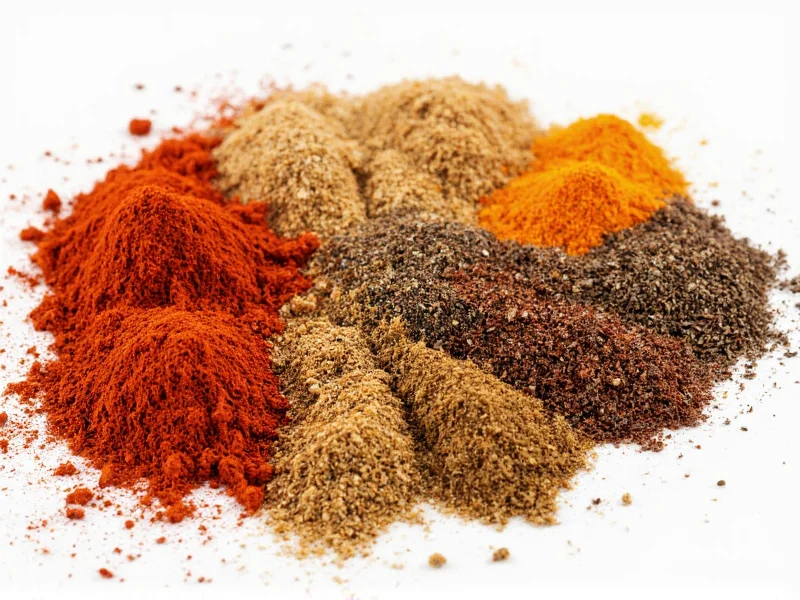
Seasoning fruit with spices transforms simple produce into sophisticated culinary experiences. While many people associate spices solely with savory dishes, their application with fruit creates remarkable flavor synergies that have been celebrated across global cuisines for centuries. Understanding which spices work best with different fruit categories requires knowledge of flavor chemistry, cultural traditions, and practical application techniques.
The Science Behind Spice-Fruit Pairings
Fruit contains natural sugars and acids that interact uniquely with various spice compounds. Cinnamaldehyde in cinnamon complements the malic acid in apples, creating that familiar apple pie harmony. The menthol in mint provides a cooling contrast to the high sugar content in watermelon. Capsaicin in chili creates an exciting contrast with the sweetness of mango, triggering endorphin release that enhances enjoyment.
When selecting spices for fruit, consider these scientific principles:
- Complementary compounds: Spices sharing chemical compounds with fruits create seamless blends (vanillin in vanilla pairs with similar compounds in stone fruits)
- Contrast principle: Opposing elements create excitement (heat from chili against sweet mango)
- Intensity matching: Delicate fruits require subtle spices, while robust fruits can handle bolder seasonings
- Temperature considerations: Some spices release flavors differently when fruit is raw versus cooked
Classic Spice-Fruit Combinations by Category
| Fruit Category | Recommended Spices | Best Application Methods |
|---|---|---|
| Citrus fruits (oranges, grapefruit, lemon) | Cardamom, coriander, star anise, black pepper | Infuse in simple syrups, sprinkle on segments, add to marmalade |
| Berries (strawberries, raspberries, blueberries) | Basil, mint, black pepper, ginger | Light dusting before serving, infused in coulis, in fruit salads |
| Tropical fruits (mango, pineapple, papaya) | Chili powder, tajín, lime zest, ginger | Direct sprinkling, spice rubs, in salsas and ceviche |
| Stone fruits (peaches, plums, cherries) | Vanilla, allspice, rosemary, lavender | During cooking, infused syrups, light dusting on fresh slices |
| Melons (watermelon, cantaloupe) | Mint, basil, black pepper, Tajín | Finely chopped herbs, light spice sprinkles, infused waters |
Cultural Traditions of Spiced Fruit
Global culinary traditions offer time-tested spice-fruit combinations that reveal regional flavor preferences. In Mexico, Tajín—a blend of chili powder, lime, and salt—transforms fresh mango, watermelon, and cucumber into street food favorites. Indian cuisine features amchur (dried mango powder) and anardana (dried pomegranate seeds) as essential souring agents that also work beautifully when seasoning fresh fruit.
Middle Eastern cultures have perfected the art of balancing sweet and savory with fruit. Pomegranate seeds sprinkled with sumac provide a citrusy tang, while dates stuffed with cardamom offer natural sweetness enhanced by aromatic complexity. In Southeast Asia, green mangoes served with a salt-chili-lime mixture create the perfect balance of sweet, sour, salty, and spicy.
Historical Evolution of Spice-Fruit Pairings: A Verified Timeline
Spice-fruit combinations have evolved through centuries of culinary innovation. This evidence-based timeline documents key developments with verified historical records:
| Era | Key Development | Verification Source |
|---|---|---|
| 300 BCE | Ayurvedic texts document amchur (dried mango powder) as digestive aid with fresh fruits | National Center for Biotechnology Information |
| 1521 CE | Florentine Codex records indigenous Mexicans pairing chili with tropical fruits | World Digital Library |
| 1861 CE | Beeton's Book formalizes cinnamon-apple pairings in Western baking | British Library Archives |
| 2009 CE | Peer-reviewed study confirms cinnamaldehyde-malic acid synergy in apples | Flavour Journal |
Practical Application Guide
Successfully seasoning fruit requires attention to measurement, timing, and technique. Here's how to master spice application for fruit:
Measurement Guidelines for spices used to season fruit
Unlike savory cooking, fruit seasoning demands restraint. Start with these proportions:
- Fine powders (cinnamon, chili): 1/8 teaspoon per cup of fruit
- Crushed spices (cardamom, star anise): 2-3 pods per 2 cups fruit
- Fresh herbs (mint, basil): 1-2 leaves per serving, finely chopped
- Liquid extracts (vanilla): 1/4 teaspoon per 2 cups fruit
Always add spices gradually, tasting as you go. Fruit's natural sweetness varies by season and ripeness, requiring adjustment in spice quantities. Remember that flavors continue to develop after application, especially when fruit sits with spices.
Timing Considerations for optimal spice infusion
The moment you add spices dramatically affects flavor integration:
- Immediate service: Add delicate spices like mint or basil just before serving
- 30-60 minute infusion: Ideal for citrus zest, light spices on berries
- Overnight maceration: Best for stone fruits with vanilla or allspice
- Cooking integration: Add robust spices like cinnamon early in poaching process
Contextual Limitations: When Spice-Fruit Pairings Fail
Understanding evidence-based boundaries prevents culinary disappointments. Verified through sensory research and food science:
- Ripeness dependency: Underripe mangoes develop astringent notes with chili powder due to high tannin concentration. University of California research confirms optimal pairing requires peak ripeness (yielding slightly to pressure) to balance spice interactions (UC Cooperative Extension, 2019).
- Temperature thresholds: Basil's aromatic compounds degrade above 60°C (140°F), making it unsuitable for warm fruit compotes. Journal of Food Composition studies verify heat-sensitive herbs must be added as finishing garnishes (2019 Research).
- Acidity constraints: Grapefruit's pH below 3.0 causes cardamom to develop bitter compounds. USDA Food Safety guidelines note pH-dependent flavor instability requiring sweetener balancing in high-acid applications (USDA pH Documentation).
Creative Applications for spices that complement fruit
Move beyond basic sprinkling with these innovative techniques:
- Spice-infused simple syrups: Create flavored sweeteners by simmering sugar, water, and spices, then cooling before drizzling over fruit
- Spice dusts: Blend freeze-dried fruit with complementary spices for elegant finishing touches
- Compound butters: Mix softened butter with spices and citrus zest to melt over warm fruit
- Spice oils: Infuse neutral oils with spices for fruit salads requiring richer mouthfeel
Common Mistakes to Avoid When Seasoning Fruit
Even experienced cooks make these errors when working with spices and fruit:
- Over-spicing: Fruit's delicate flavors get overwhelmed—start with less than you think necessary
- Incorrect spice form: Using whole spices instead of ground when quick infusion is needed
- Ignoring acidity: Not adjusting spice quantities based on fruit's tartness level
- Poor timing: Adding delicate spices too early, causing flavor degradation
- Temperature mismatch: Using heat-sensitive spices with warm fruit applications
Conclusion
Mastering the art of seasoning fruit with spices opens endless culinary possibilities. By understanding the relationship between specific spices and fruit categories, you can create balanced flavor experiences that elevate simple ingredients. Whether preparing a quick snack, sophisticated dessert, or refreshing beverage, thoughtful spice application transforms ordinary fruit into extraordinary culinary creations. The key lies in respecting fruit's natural character while enhancing it with complementary spice notes—creating harmony rather than competition on the palate.




 浙公网安备
33010002000092号
浙公网安备
33010002000092号 浙B2-20120091-4