
Spice Up Your Sausage: The Ultimate Guide to Spicy Italian Sausage Lovers
Calling all foodies, grill masters, and spice enthusiasts! If you've ever bitten into a sizzling spicy Italian sausage and felt your taste buds ignite with joy — this article is for you. We’re diving deep into everything you need to know about the beloved blend of herbs, heat, and flavor that makes spicy Italian sausage so irresistibly delicious.
Whether you're a home cook experimenting on the weekend or a pro chef looking to impress, this guide has got your back with tips, tricks, and a detailed breakdown of what makes the perfect spicy Italian sausage tick.
Table of Contents
- What Is Spicy Italian Sausage?
- Key Ingredients That Make It Hot
- Top 5 Tips for Cooking with Spicy Italian Sausage
- Flavor Pairings That Bring the Heat Together
- Buying Guide: How to Choose the Best Spicy Italian Sausage
- Make Your Own: Homemade Spicy Italian Sausage Recipe
- Health Benefits of Eating Spicy Italian Sausage (Yes, Really!)
- Conclusion: Turn Up the Flavor With Every Bite
What Is Spicy Italian Sausage?
Spicy Italian sausage isn’t just any sausage — it's a bold, flavorful link packed with a signature mix of fennel seeds, garlic, red pepper flakes, and other Mediterranean herbs. Unlike its milder counterpart, sweet Italian sausage, the spicy version kicks things up a notch with more heat and aromatic depth.
The Origins
Born in Southern Italy, particularly regions like Calabria and Sicily, spicy Italian sausage reflects the love for vibrant flavors and fiery ingredients. The use of red pepper flakes is a nod to the region’s love affair with chili peppers, which were introduced after contact with the Americas.
Key Ingredients That Make It Hot
So what exactly goes into making a sausage “spicy”? Here's a quick rundown of the core components:
- Fennel Seeds: Offer a licorice-like aroma that balances out the spiciness.
- Red Pepper Flakes: The main source of heat; the amount determines how fiery your sausage will be.
- Garlic: Adds depth and savory richness.
- Paprika: Brings color and mild smokiness to the mix.
- Black Pepper: Enhances overall warmth without overpowering other spices.
- Herbs (Oregano, Basil, Thyme): Provide herbal complexity.
- Salt & Sugar: Balance the flavors and help preserve the meat.
| Ingredient | Function | Typical Amount per lb |
|---|---|---|
| Fennel Seeds | Aromatic base | 1 tsp |
| Red Pepper Flakes | Heat source | ½–1 tsp |
| Garlic Powder | Savory boost | ¼ tsp |
| Paprika | Color & mild smoke | ½ tsp |
| Black Pepper | Flavor balance | ¼ tsp |
Top 5 Tips for Cooking with Spicy Italian Sausage
- Don’t Prick the Sausages! Let them cook slowly to retain juices. Use tongs instead of a fork to flip.
- Preheat the Pan First — medium-low heat is best. Cast iron works great for even cooking.
- Use Beer or Wine to Steam — deglaze the pan with beer, white wine, or broth after searing to add extra layers of flavor.
- Grill It Right — indirect heat keeps it juicy. Brush with olive oil before grilling to prevent sticking.
- Let It Rest — resting for 5 minutes after cooking allows juices to redistribute.
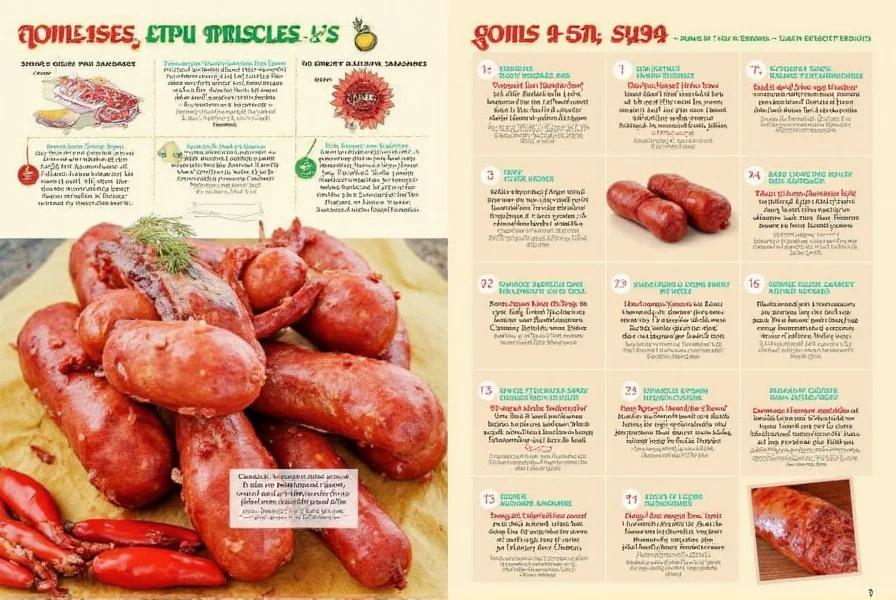
Flavor Pairings That Bring the Heat Together
Want to take your meal from good to *unforgettable*? Try these pairings with your spicy Italian sausage:
- Sweet Peppers – Caramelized bell peppers mellow out the heat beautifully.
- Polenta – Creamy polenta is the perfect base to soak up those rich, spicy juices.
- Crusty Bread – Ideal for soaking up pan drippings or building a killer sandwich.
- Sharp Cheese – Aged provolone or pecorino can stand up to the spice.
- Beer or Bold Red Wine – Think IPA or Chianti to complement the heat and herbs.
Buying Guide: How to Choose the Best Spicy Italian Sausage
If you're not making your own, buying the right spicy Italian sausage matters. Here are key points to consider:
Types Available
- Fresh Sausage: Raw, uncooked, and ready to grill or sauté. Usually sold in links or bulk.
- Cured Sausage: Dry and more intense in flavor. Great sliced thin for charcuterie boards.
- Premade Links: Pre-seasoned and ready to go — ideal for convenience lovers.
Label Reading Tips
- Check the spice level: Look for “mild” vs “hot” labels.
- Read ingredient lists: Avoid artificial fillers and preservatives if possible.
- Look for high fat content (around 20–30%) for juiciness.
- Consider pork quality: Heritage breed or pasture-raised options offer better flavor.
Top Recommended Brands
| Brand | Features | Best For | Price Range |
|---|---|---|---|
| Vinci Brothers | Handcrafted, traditional recipe, no fillers | Home grilling | $8–$12/lb |
| Hormel Fire-Roasted Garlic & Chili | Ready-to-cook, smoked flavor | Quick meals | $6–$9/lb |
| D’Artagnan Organic Spicy | Organic, antibiotic-free, artisanal | Fancy dinners | $10–$14/lb |
Make Your Own: Homemade Spicy Italian Sausage Recipe
Feeling adventurous? Try making your own spicy Italian sausage at home. Here’s a simple recipe to get started:
Ingredients
- 2 lbs coarsely ground pork shoulder
- 1 tsp fennel seeds
- ¾ tsp red pepper flakes
- ½ tsp garlic powder
- ½ tsp paprika
- ¼ tsp black pepper
- 1 tsp salt
- ½ tsp sugar
- Optional: ½ tsp dried oregano
- Casings (if making links)
Instructions
- Mix dry spices thoroughly in a bowl.
- Add ground pork and mix well using clean hands until sticky.
- Chill mixture for 1 hour to allow flavors to meld.
- Stuff into casings (optional) or form into patties.
- Refrigerate for at least 4 hours or overnight before cooking.
- Cook as desired: grill, sauté, or bake.
Health Benefits of Eating Spicy Italian Sausage (Yes, Really!)
While spicy Italian sausage might seem indulgent, there are some surprising health benefits when enjoyed in moderation:
- Metabolism Boost: Capsaicin in red pepper flakes may increase metabolic rate temporarily.
- Improved Circulation: Spices like garlic and ginger can promote heart health.
- Antioxidant Powerhouse: Fennel and paprika contain antioxidants that fight inflammation.
- Mood Enhancement: Spicy foods trigger endorphin release, helping reduce stress levels.
- Protein-Packed: Pork sausage provides essential amino acids for muscle repair.
Caution
Because sausage is often high in saturated fat and sodium, it’s best enjoyed as part of a balanced diet. Moderation is key!
Conclusion: Turn Up the Flavor With Every Bite
From backyard barbecues to cozy weeknight dinners, spicy Italian sausage brings a bold flavor profile that’s hard to beat. Whether you buy it fresh from your local butcher or craft it yourself in your kitchen, the combination of fennel, garlic, and red pepper flakes creates a symphony of heat and herbs that’s both comforting and exciting.
Now that you’ve got the lowdown on choosing, cooking, and even making your own spicy sausage, it’s time to fire up the grill and let the good vibes — and great flavors — flow!




 浙公网安备
33010002000092号
浙公网安备
33010002000092号 浙B2-20120091-4