

Spice Up Your Sausage: 7 Must-Try Mustard Styles for the Ultimate Hot Dog Experience
Table of Contents
- Why Mustard Matters on a Hot Dog
- 7 Mustard Varieties Every Hot Dog Lover Should Know
- How to Pair Mustard with Your Favorite Dogs
- DIY Mustard Recipes to Elevate Your Grilling Game
- The Science Behind Mustard and Meat Chemistry
- Fun Mustard Facts You Can Whip Out at Your Next BBQ
- Conclusion
Why Mustard Matters on a Hot Dog
If you think mustard is just that yellow stuff in squeeze bottles, it’s time to revisit your condiment IQ. The right mustard can transform a humble hot dog into a flavor bomb that makes your taste buds throw a party. From zesty Dijon to smoky German styles, each mustard brings its own personality to the plate — and we’re here to help you choose wisely.

7 Mustard Styles That’ll Make You Rethink Your Hot Dog Game
- American Yellow Mustard: The OG crowd-pleaser. Mild, tangy, and perfect for purists who like their dogs classic.
- Dijon Mustard: A French twist that adds a sharp, slightly spicy kick. Great for gourmet dogs or if you want to impress your foodie friends.
- Whole Grain Mustard: Packed with texture and earthy flavor. Perfect for those who love a little crunch with their chew.
- German Sweet Mustard (Süßwurst): Sweet meets savory in this regional favorite. Ideal for pairing with grilled onions and bratwurst-style dogs.
- English Wholegrain Mustard: Robust and bold, with visible mustard seeds. Best for adventurous eaters looking for a rustic bite.
- Honey Mustard: Sweet, creamy, and dangerously addictive. A must-try for kids and adults who like things on the milder side.
- Spicy Brown Mustard: Smoky, slightly sweet, and packed with heat. If you're into BBQ vibes, this one's your jam.
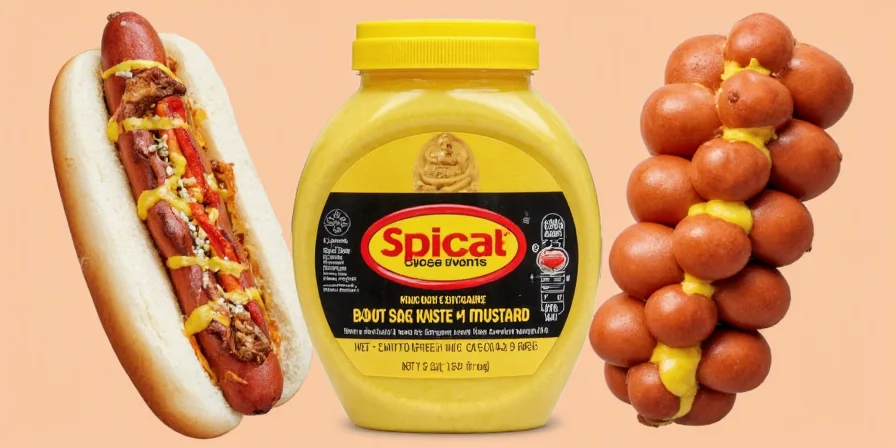
Pair Like a Pro: How to Match Mustard with Your Dog
Not all mustards play nice with every dog. Here’s a quick cheat sheet to help you pair like a pro:
| Type of Dog | Recommended Mustard | Flavor Profile |
|---|---|---|
| All-American Beef Dog | American Yellow Mustard | Mild, tangy, nostalgic |
| Pretzel Bun Bratwurst | German Sweet Mustard | Sweet, rich, umami-packed |
| Chili Cheese Dog | Spicy Brown Mustard | Smoky, bold, slightly sweet |
| Korean-Inspired Kimchi Dog | Dijon Mustard | Sharp, clean, balances spice well |
| Veggie Dog with Avocado Relish | Whole Grain Mustard | Earthy, textured, unexpected twist |

DIY Mustard: Level-Up Your Condiment Game
Ready to graduate from store-bought bottles? Try making your own mustard at home. It’s surprisingly easy, customizable, and will earn you major points at your next backyard cookout.
Classic Homemade Mustard Recipe
- 3 tbsp yellow mustard seeds
- 1 tbsp brown mustard seeds
- ¼ cup apple cider vinegar
- 1 tbsp honey
- ½ tsp turmeric
- ¼ tsp salt
- Water as needed
- Mix seeds and vinegar in a bowl, let sit overnight.
- Add remaining ingredients and blend until smooth.
- Store in an airtight container in the fridge for up to 2 weeks.
Spicy Jalapeño Mustard
- Use more brown mustard seeds
- Add 1 finely chopped jalapeño (seeds included for extra heat!)
- Swap honey with maple syrup for a vegan option
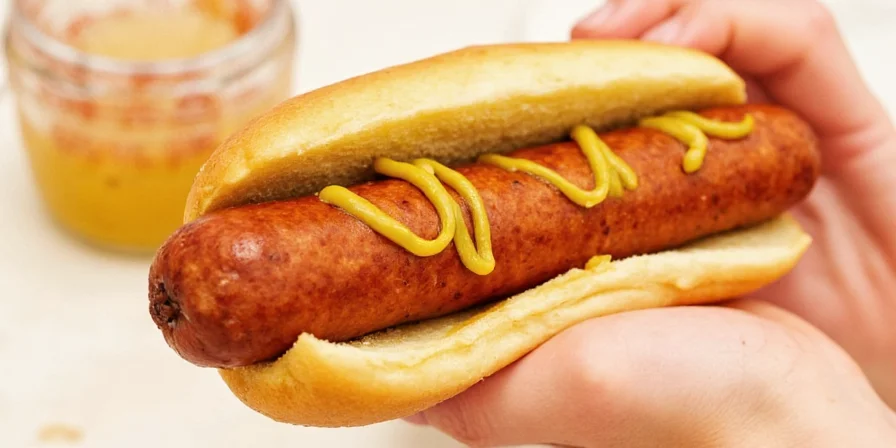
What’s Happening in That Bottle? The Science of Mustard
Ever wonder why mustard gets spicier the longer it sits? Blame the chemistry! When mustard seeds are ground and mixed with liquid, enzymes break down compounds called glucosinolates, releasing pungent volatile chemicals. These chemicals create that nose-clearing kick we love — but they also fade over time, which is why freshly made mustard often packs more punch than bottled stuff.
Random Mustard Trivia to Impress Your Friends
- The world’s oldest known mustard recipe dates back to ancient Rome.
- France’s Dijon region produces some of the most famous mustards globally.
- Mustard seeds are tiny but mighty — they rank among the smallest culinary spices in the world.
- In India, mustard oil is used not only in cooking but also in traditional medicine and massage therapy.
- The term “mustard” comes from the Latin “mustum ardens,” meaning “burning wine” — a nod to its fiery bite.

Final Thoughts: Don’t Be Basic With Your Mustard
Your hot dog deserves better than basic. Whether you're grilling for family, hosting a summer BBQ, or simply treating yourself to a weekend bite, don’t underestimate the power of the right mustard. Experiment with different types, mix your own blends, and take your condiment game to the next level. And remember — life’s too short for boring food!




 浙公网安备
33010002000092号
浙公网安备
33010002000092号 浙B2-20120091-4