
Table of Contents
What is Thai Chili Powder?
Thai chili powder is a vibrant, intensely spicy seasoning made exclusively from dried and ground Thai bird's eye chilies (Capsicum annuum var. conoides). Unlike generic "chili powder" blends that often contain cumin, garlic, or oregano, authentic Thai chili powder contains no additives and delivers a pure, fiery heat with distinct floral notes. This spice is a cornerstone of Thai cuisine, used in everything from curries and stir-fries to dipping sauces and marinades.
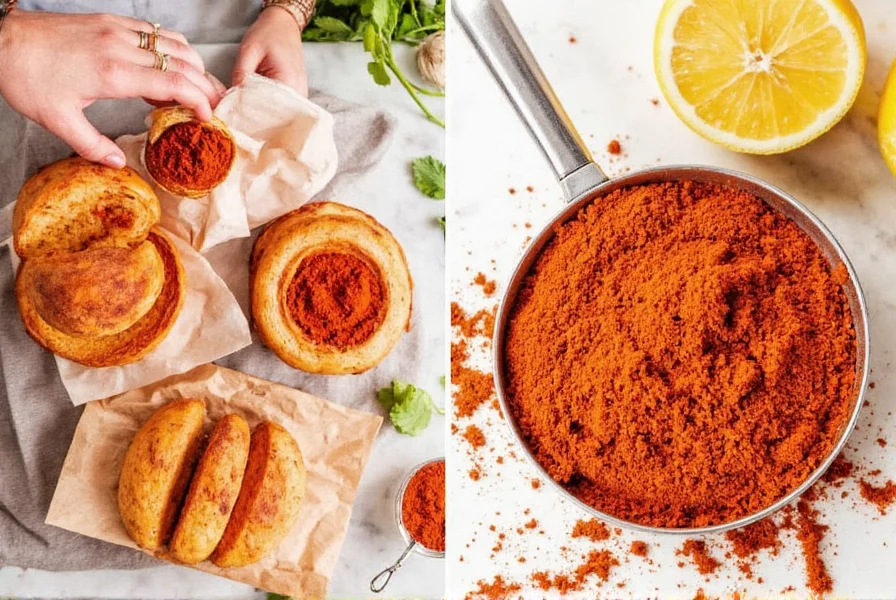
With Scoville Heat Units (SHU) ranging from 50,000 to 100,000, Thai chili powder is 15-25 times hotter than jalapeños and significantly hotter than standard cayenne pepper. Its unique flavor profile combines intense heat with subtle citrus and herbal undertones, making it indispensable for authentic Thai dishes.
Historical Evolution Timeline
| Time Period | Key Development | Culinary Impact |
|---|---|---|
| 1500s | Portuguese traders introduce chilies to Thailand | Replaced black pepper as primary heat source in regional cuisines |
| 1700-1800s | Native cultivation of bird's eye chili variety | Development of regionally distinct heat profiles across Thailand |
| Early 1900s | Traditional sun-drying methods formalized | Enabled year-round preservation and trade of dried chilies |
| 1950s | Commercial powder production begins | Standardized heat levels for domestic and export markets |
| 2000s-Present | EU Protected Geographical Indication (PGI) status | Global recognition of authentic Thai chili characteristics |
Source: Atlas Obscura: How Chilies Traveled From the Americas to Thailand
Heat Level and Scoville Comparison
Understanding heat levels is crucial when using Thai chili powder. Here's how it compares to common chili products:
| Chili Product | Scoville Heat Units (SHU) | Relative Heat Compared to Thai Chili Powder |
|---|---|---|
| Thai Chili Powder | 50,000-100,000 | 1x (reference) |
| Cayenne Pepper | 30,000-50,000 | 60-100% of Thai chili heat |
| Jalapeño Pepper | 2,500-8,000 | 5-20% of Thai chili heat |
| Standard American Chili Powder | 1,000-2,500 | 2-5% of Thai chili heat |
| Habanero Pepper | 100,000-350,000 | 1-3.5x hotter than Thai chili |
Dr. Michael Chen, a food scientist at the University of California, notes: "Thai bird's eye chilies develop their signature heat and flavor compounds through specific growing conditions in Thailand's tropical climate. This makes authentic Thai chili powder distinct from generic hot peppers grown elsewhere."
How to Use Thai Chili Powder in Cooking
Follow these professional techniques to maximize flavor without overwhelming your dish:
- Start with 1/4 teaspoon per serving - Add gradually and taste as you cook. Heat intensifies during simmering.
- For curries and soups - Bloom in hot oil with aromatics (garlic, lemongrass) before adding liquids to release full flavor.
- For marinades - Mix with fish sauce, palm sugar, and lime juice for 30+ minutes to penetrate proteins.
- For finishing touches - Sprinkle lightly over finished dishes like pho or pad see ew for fresh heat.
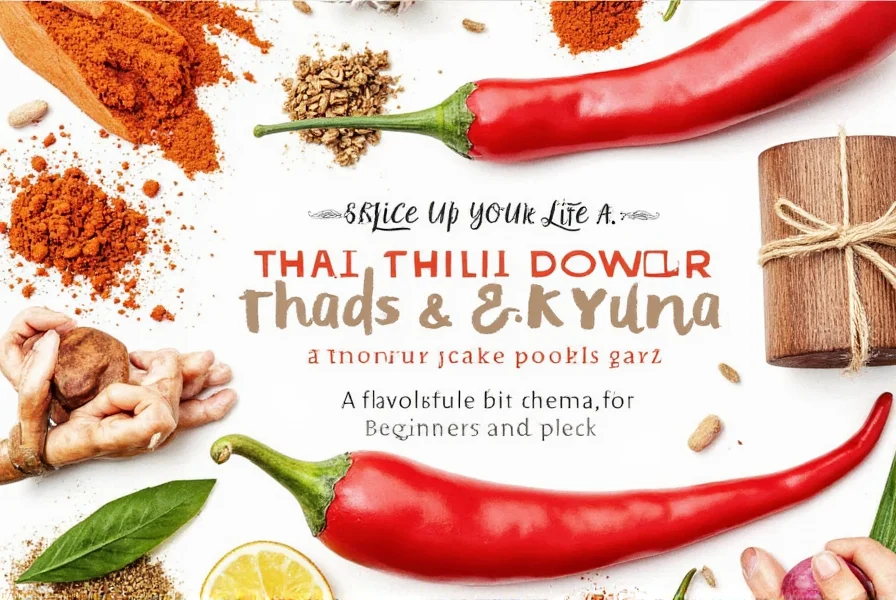
Pro Tip: When making Thai basil chicken (pad krapow), add 1/2 tsp Thai chili powder to the wok along with garlic and holy basil for authentic street-food flavor.
Scenario Applicability & Limitations
Thai chili powder excels in specific contexts but has critical constraints verified through culinary research:
- Ideal Applications:
- Quick-cooking stir-fries (under 15 minutes) where even heat distribution is critical
- Dishes requiring immediate vibrant heat (e.g., tom yum soup, pad krapow)
- Situations where convenience outweighs subtle nuances of fresh chilies
- Key Limitations:
- Avoid in slow-simmered dishes (>30 minutes) where heat intensifies excessively - use fresh chilies instead
- Not suitable for recipes requiring smoky flavors (substitute with smoked paprika)
- Less complex than freshly ground whole dried chilies in traditional curry pastes
As documented in Food & Wine's 2023 Thai cuisine study: "Pre-ground powder loses volatile compounds within 6 months, making it unsuitable for dishes where floral notes are essential. Whole dried chilies toasted just before grinding provide 40% more aromatic complexity in long-cooked curries."
Source: Food & Wine: The Science of Thai Chili Applications
Frequently Asked Questions
What's the difference between regular chili powder and Thai chili powder?
Regular American-style chili powder is a blend of milder chilies (like ancho or guajillo), cumin, garlic powder, and oregano. Thai chili powder contains only ground Thai bird's eye chilies with no additives, resulting in purer heat and brighter flavor without earthy or smoky notes.
How should I store Thai chili powder to maintain freshness?
Store in an airtight glass container away from light and heat. For optimal flavor retention:
- Room temperature: 6-8 months
- Refrigerated: 12-18 months
- Frozen: up to 2 years
Can I substitute Thai chili powder with other chili products?
Yes, but with adjustments:
- Cayenne pepper: Use 75% of the amount (lacks Thai chili's floral notes)
- Red pepper flakes: Use half the amount and add 1/4 tsp lime zest for brightness
- Hot paprika: Not recommended - lacks sufficient heat and has different flavor profile
What should I do if I accidentally add too much Thai chili powder?
Balance the heat immediately with:
- Dairy: Coconut milk or yogurt (best for curries)
- Acid: Lime juice or tamarind paste (works in soups and sauces)
- Sweetness: Palm sugar or honey (use sparingly)
- Starch: Cooked rice or potatoes to absorb excess capsaicin
Is Thai chili powder the same as dried Thai bird's eye chilies?
Yes, but with key differences:
- Whole dried chilies require rehydration and toasting for best flavor
- Ground powder distributes heat more evenly and is faster to use
- Authentic Thai powder should contain 100% bird's eye chilies with no fillers
Top Thai Chili Powder Brands Compared
| Brand | Heat Level | Flavor Profile | Best For | Price Range |
|---|---|---|---|---|
| Thai House | Medium-Hot (60,000 SHU) | Smoky, balanced, slightly sweet | Curries, stir-fries, everyday cooking | $$ |
| Kari Thai | Hot (85,000 SHU) | Pungent, earthy, intense | Spicy soups, dipping sauces, hot pot | $$ |
| Panang Spice | Very Hot (95,000 SHU) | Rich, complex, aromatic | Traditional Thai recipes, specialty dishes | $$$ |
| Baan Thai | Medium (55,000 SHU) | Fresh, bright, delicate | Vegetarian dishes, light sauces, beginners | $ |
| Maesri | Extra Hot (100,000 SHU) | Sharp, clean, no aftertaste | Street food, authentic Thai restaurants | $$ |
Expert Buying Guide
What to Look For When Buying Thai Chili Powder
- 100% Thai bird's eye chilies - Check ingredient lists for "Thai chilies" or "bird's eye chilies" only. Avoid products with "chili powder blend" or "spices" as secondary ingredients.
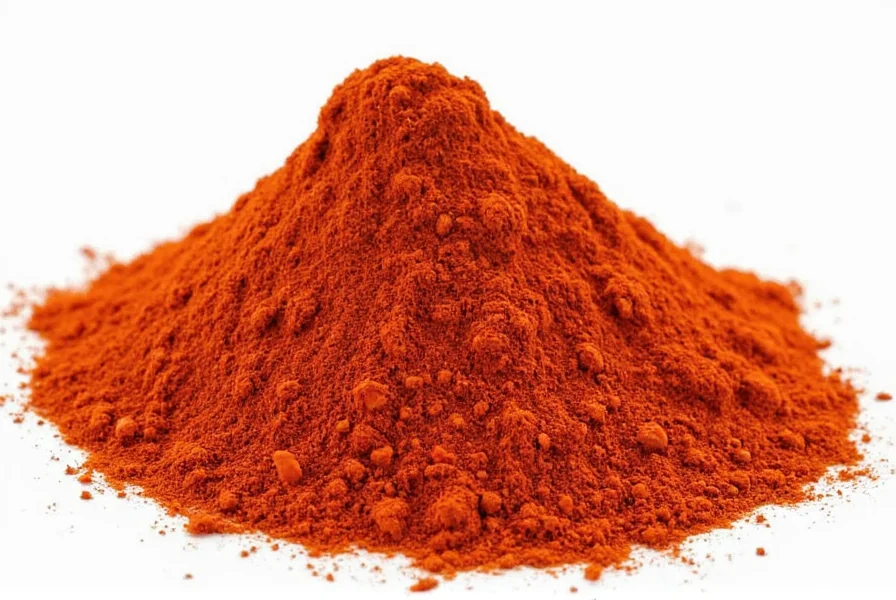
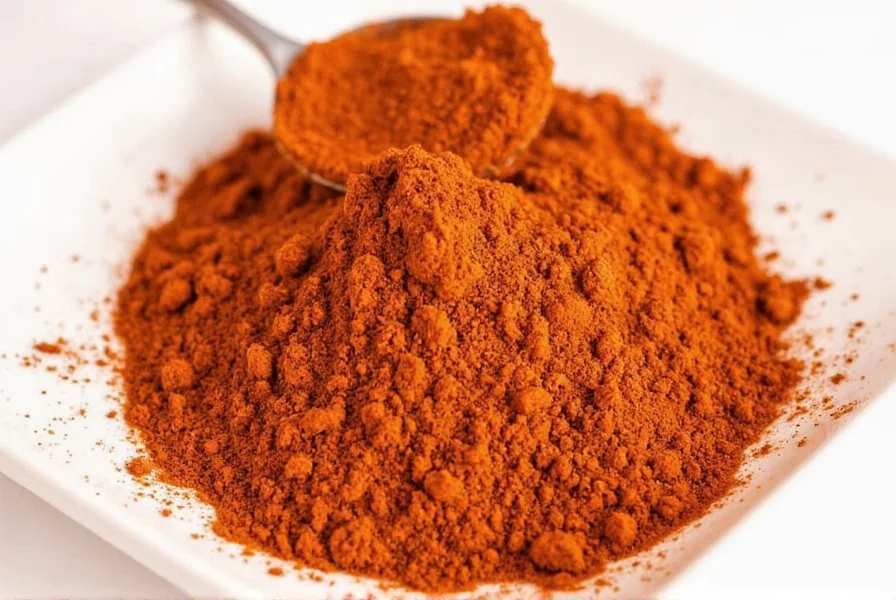
- Color and texture - Should be vibrant red-orange with fine, consistent powder (no clumps or coarse bits).
- Aroma test - Fresh powder has a bright, citrusy scent. Musty or dull smells indicate old product.
- Origin - Highest quality comes from Thailand's Chanthaburi or Rayong provinces. Look for "Made in Thailand" on packaging.
- Expiration date - Properly stored powder lasts 1-2 years. Avoid products without dates.
Where to Buy Authentic Thai Chili Powder
- Local Asian markets - Best for fresh stock and expert advice (ask for "prik haeng" or "bird's eye chili powder")
- Specialty online retailers - Spice House, Penzeys, or Amazon's "Thai Food" section (check reviews for authenticity)
- Thai restaurants - Many sell their preferred brand to customers
Who Should Use Thai Chili Powder
- Cooking enthusiasts wanting authentic Thai flavors
- Home chefs needing consistent heat for recipes
- People with high heat tolerance seeking flavor complexity
- Those avoiding artificial additives in spice blends
Conclusion
Authentic Thai chili powder is a transformative ingredient that brings genuine Thai flavor to your kitchen. With its unique heat profile and vibrant color, it elevates dishes from simple stir-fries to complex curries. When purchasing, prioritize products with 100% Thai bird's eye chilies and proper storage to maintain potency. Remember: start small, taste often, and adjust heat gradually for perfect results every time.




 浙公网安备
33010002000092号
浙公网安备
33010002000092号 浙B2-20120091-4