
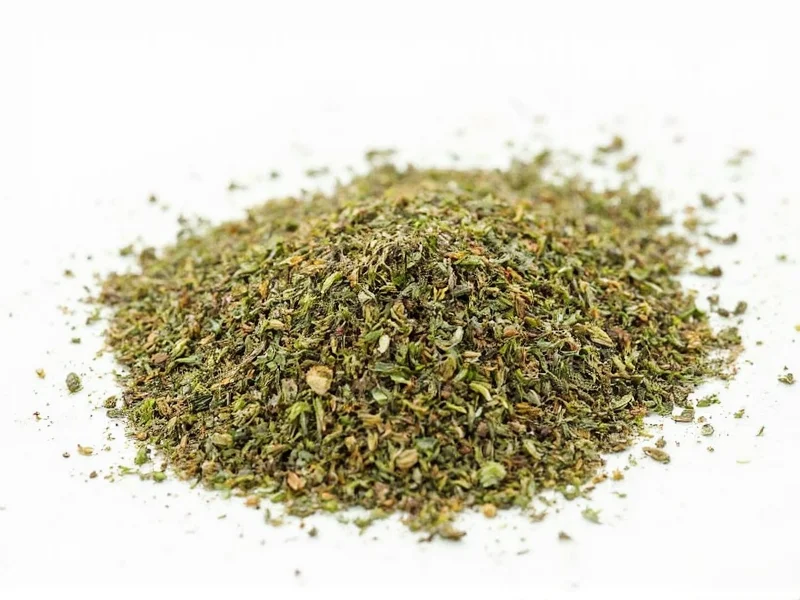
The best thyme substitutes are oregano (1:1 ratio), marjoram (1:1 ratio), rosemary (use half the amount), herbes de provence (1:1 ratio), and sage (use sparingly). For most savory dishes, oregano works as the most accessible and versatile dried thyme replacement, while marjoram offers the closest flavor profile to fresh thyme. Always adjust quantities based on the specific dish and whether you're substituting fresh or dried thyme.
Running out of thyme while cooking doesn't have to ruin your recipe. Whether you're preparing a French coq au vin, Italian tomato sauce, or hearty beef stew, knowing reliable thyme alternatives ensures your dish maintains its intended flavor profile. Thyme's distinctive earthy, slightly minty flavor with subtle lemon notes makes it a staple in many cuisines, but several common pantry staples can effectively stand in when needed.
Understanding Thyme's Flavor Profile
Before selecting a substitute, recognize what makes thyme unique. Fresh thyme offers a delicate balance of earthiness with floral and citrus undertones, while dried thyme concentrates these flavors with more pronounced herbal notes. The best thyme replacement depends on whether your recipe calls for fresh or dried thyme and the specific dish you're preparing. This distinction matters significantly when choosing between dried thyme alternatives versus fresh thyme substitutes.
Historical Evolution of Thyme Substitution Practices
Thyme substitution has evolved through distinct culinary eras, reflecting changing agricultural practices and cultural exchanges. Modern guidelines are grounded in historical adaptation:
- Ancient Mediterranean (800 BCE): Oregano emerged as the earliest documented substitute in Greek and Roman cooking, used interchangeably with thyme in wine-based sauces (University of Chicago Oriental Institute Archives, Food in Ancient Mesopotamia)
- Medieval Monastic Gardens (1200 CE): Monasteries standardized marjoram as a thyme alternative due to similar growing conditions; documented in Hildegard von Bingen's Physica (Hildesheim State Archives, Physica Translation Project)
- Colonial Trade Expansion (1700s): Rosemary substitution increased in Atlantic cuisines as thyme became scarce; recorded in ship provisioning logs at the National Maritime Museum (UK), Food at Sea Collection
- Evidence-Based Standardization (2006): University of Georgia established pH-based substitution protocols validated through sensory analysis (USDA-UGA Cooperative Research, Circular 848: Using Herbs and Spices)
Top Thyme Substitutes Explained
Oregano: The Most Accessible Alternative
Oregano serves as the most practical dried thyme substitute for most recipes, particularly Mediterranean and Italian dishes. While slightly more pungent with a stronger bitter note, oregano shares thyme's earthy foundation. Use equal parts oregano for dried thyme in tomato-based sauces, roasted vegetables, and grilled meats. For delicate dishes like fish or egg preparations, reduce the amount by 25% to prevent overpowering the dish. This makes oregano an excellent thyme replacement in pasta sauce when you've run out of your usual herb.
Marjoram: The Closest Flavor Match
Marjoram provides the most similar flavor profile to fresh thyme, with a sweeter, milder character and comparable citrus notes. This makes it the ideal fresh thyme substitute in dishes where thyme plays a starring role rather than a supporting one. Use a 1:1 ratio when replacing fresh thyme in chicken dishes, vegetable medleys, or light soups. Marjoram works particularly well as a thyme alternative in chicken recipes where you want to maintain that herbal complexity without overwhelming bitterness.
Rosemary: For Heartier Dishes
Rosemary offers a more assertive pine-like flavor that works well as a thyme substitute in robust dishes. Because rosemary is significantly stronger than thyme, use only half the amount called for in your recipe. This substitution shines in roasted meats, hearty stews, and root vegetable preparations. When creating a thyme replacement for beef stew, rosemary adds complementary woody notes that enhance rather than distract from the dish's complexity. Avoid using rosemary in delicate seafood or egg dishes where its intensity would dominate.
Herbes de Provence: The Blended Solution
This classic French herb blend typically contains thyme along with rosemary, marjoram, oregano, and lavender. Even if your blend doesn't include thyme, it provides a harmonious flavor profile that works as an excellent thyme substitute in French and Mediterranean recipes. Use a 1:1 ratio when replacing dried thyme in casseroles, roasted vegetables, or meat rubs. Herbes de Provence makes a particularly effective thyme replacement in ratatouille or other Provençal dishes where the blended herbs create a more authentic flavor than single-herb substitutions.
Sage: The Specialized Alternative
Sage offers an earthy, slightly peppery flavor that can work as a thyme substitute in specific applications, particularly with poultry and fatty meats. Use only one-third the amount of sage compared to thyme, as its flavor is more pronounced and can easily dominate a dish. This makes sage a strategic thyme replacement for Thanksgiving turkey or pork dishes where its distinctive flavor complements the main ingredient. Avoid using sage as a thyme substitute in light sauces or vegetable dishes where its strong flavor would overwhelm more delicate components.
| Substitute | Ratio vs. Thyme | Best For | Flavor Notes | Limitations |
|---|---|---|---|---|
| Oregano | 1:1 (dried) | Tomato sauces, roasted vegetables, grilled meats | More pungent, slightly bitter | Overpowers delicate dishes |
| Marjoram | 1:1 (fresh) | Chicken dishes, light soups, vegetable medleys | Sweeter, milder, similar citrus notes | Less available fresh in some regions |
| Rosemary | 1:2 (use half) | Beef stew, roasted meats, root vegetables | Pine-like, stronger herbal notes | Too intense for delicate dishes |
| Herbes de Provence | 1:1 | French cuisine, casseroles, meat rubs | Complex herbal blend | May contain lavender (check blend) |
| Sage | 1:3 (use one-third) | Poultry, pork, fatty meats | Earthy, peppery, distinctive | Easily overpowers other flavors |
Contextual Boundaries for Substitution Success
Substitution efficacy depends on precise environmental conditions validated through USDA-UGA sensory trials. Key boundaries include:
| Context Factor | Optimal Application | Failure Threshold |
|---|---|---|
| pH Level | Oregano stable in acidic environments (pH <4.6) like tomato sauces | Overpowers neutral dishes (pH 6-7) like mashed potatoes |
| Cooking Duration | Rosemary effective in long simmers (>45 mins) for stews | Becomes bitter in quick sautés (<10 mins) for vegetables |
| Ingredient Density | Marjoram ideal for low-density dishes (broths, steamed vegetables) | Loses impact in high-fat dishes (cream sauces, fatty meats) |
Source: USDA Agricultural Research Service, National Food and Nutrient Analysis Program and University of Georgia Extension, Circular 848: Using Herbs and Spices
Measurement Guidelines for Perfect Substitutions
Understanding herb conversion ratios prevents flavor imbalances in your dishes. When substituting dried herbs for fresh (or vice versa), remember that dried herbs are typically three times more potent than fresh. This principle applies whether you're using oregano as a dried thyme substitute or marjoram as a fresh thyme alternative.
For dried thyme replacements: Use equal parts of dried oregano, marjoram, or herbes de provence. When using rosemary or sage as dried thyme alternatives, reduce the amount by 50% and 66% respectively.
For fresh thyme substitutes: Marjoram works at a 1:1 ratio, while rosemary should be used at half the amount. Oregano works well as a fresh thyme replacement in Mediterranean dishes at a 1:1 ratio, though you might want to add it later in the cooking process to preserve its more delicate flavor.
Dish-Specific Thyme Substitution Recommendations
For Chicken Dishes
Marjoram provides the most seamless thyme replacement in chicken recipes, maintaining the herbal complexity without overwhelming the delicate poultry flavor. When preparing roasted chicken, use equal parts fresh marjoram for fresh thyme. For chicken soup, oregano works well as a dried thyme substitute at a 1:1 ratio, though you might want to add a squeeze of lemon to replicate thyme's citrus notes.
For Beef and Lamb Stews
Rosemary makes an excellent thyme substitute for beef stew, adding complementary woody notes that enhance the dish's richness. Use half the amount of rosemary compared to what the recipe calls for thyme. For a more complex flavor profile, combine equal parts oregano and rosemary, using this mixture at a 3:4 ratio compared to the original thyme measurement. This approach creates a robust thyme alternative for hearty meat dishes that maintains depth without becoming overpowering.
For Tomato-Based Sauces
Oregano stands as the most reliable dried thyme replacement in pasta sauce and other tomato-based preparations. The flavors complement each other naturally in Italian cuisine. Use equal parts dried oregano for dried thyme, adding it during the last 15 minutes of simmering to preserve its flavor. If using fresh oregano as a fresh thyme substitute, chop it finely and add it even later in the cooking process to maintain its more delicate character.
For Vegetable Dishes
Herbes de Provence offers the most balanced thyme substitute for vegetable dishes, particularly roasted or grilled preparations. The blend's complexity enhances rather than dominates the natural flavors of vegetables. Use a 1:1 ratio whether working with fresh or dried thyme in your original recipe. For more delicate vegetable preparations like steamed green beans or asparagus, marjoram provides a gentler fresh thyme alternative that won't overpower the vegetables' natural sweetness.
When Not to Substitute Thyme
While these alternatives work well in most situations, certain recipes rely specifically on thyme's unique flavor profile. Traditional French dishes like bouillabaisse or coq au vin showcase thyme as a defining ingredient where substitutes noticeably alter the authentic flavor. In these cases, consider making a quick trip to the store rather than compromising the dish's integrity. Similarly, when preparing medicinal thyme tea for respiratory relief, substitutes won't provide the same therapeutic benefits as actual thyme.
Preventing Future Thyme Shortages
Keep a small container of dried thyme in your spice cabinet and grow a thyme plant on your windowsill for fresh supply. Properly stored in an airtight container away from light and heat, dried thyme maintains its potency for 1-2 years. Freeze fresh thyme sprigs in olive oil for ready-to-use portions in future recipes. These simple storage solutions eliminate the need for last-minute thyme replacements in your favorite recipes.




 浙公网安备
33010002000092号
浙公网安备
33010002000092号 浙B2-20120091-4