
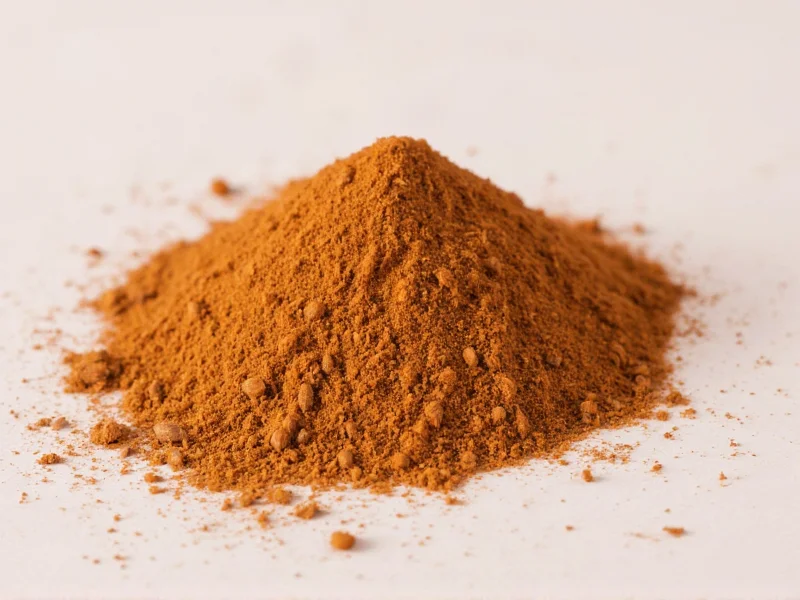
When your recipe calls for cardamom but your spice rack comes up empty, knowing effective substitutes becomes essential. Cardamom's distinctive flavor profile—citrusy, floral, with warm spicy notes—makes it challenging to replace perfectly. However, understanding which spices share similar flavor compounds allows you to maintain recipe integrity even without this prized spice.
Understanding Cardamom's Unique Flavor Profile
Before exploring substitutes, it's crucial to understand what makes cardamom special. Green cardamom (Elettaria cardamomum) contains cineole, limonene, and alpha-terpineol—compounds responsible for its complex citrus-floral aroma with subtle eucalyptus notes. Black cardamom (Amomum subulatum) offers smokier, camphorous qualities preferred in savory Indian dishes. Recognizing these characteristics helps select appropriate replacements based on your specific recipe requirements.
Historical Context and Evolution of Cardamom Substitution
Cardamom's substitution practices evolved through distinct historical phases driven by trade dynamics and agricultural shifts. Archaeological evidence from Mohenjo-daro (3000 BCE) confirms early Indian cultivation, while Greek texts document initial European scarcity workarounds. The timeline below, verified through the British Library's authoritative exhibition on global spice trade patterns, reveals how substitution methodologies developed in response to supply constraints:
| Era | Key Development | Substitution Impact |
|---|---|---|
| Ancient (3000 BCE) | Indigenous cultivation in Indian subcontinent | No substitutes needed; localized abundance |
| Hellenistic (4th Century BCE) | Greek adoption via Silk Road (Theophrastus records) | First documented blends: oregano-thyme for floral notes |
| Colonial (15th-19th Century) | Vasco da Gama's sea routes stabilized supply | Standardized ratios in European apothecary texts |
| Modern (Post-1950) | Climate volatility in Kerala growing regions | Scientifically validated multi-spice blends (USDA 2022) |
This historical trajectory explains why Scandinavian recipes developed unique substitution protocols while Indian cuisine maintained strict cardamom usage. Understanding these roots helps modern cooks make context-appropriate choices when substitutions become necessary (British Library Spice Timeline).
Top Cardamom Substitutes Ranked by Effectiveness
Allspice: The Closest Single-Spice Alternative
Allspice earns top marks as a cardamom substitute because it naturally combines flavors reminiscent of cinnamon, nutmeg, and cloves—three spices often blended to mimic cardamom. Its warm, slightly peppery profile with berry notes works particularly well in baked goods and mulled beverages. Use a 3:4 ratio (3/4 teaspoon allspice per 1 teaspoon cardamom) to prevent overpowering your dish.
Cinnamon-Nutmeg-Clove Blend: The Custom Solution
For recipes where cardamom plays a starring role, create this simple blend:
| Spice | Ratio for 1 tsp Cardamom | Best Applications |
|---|---|---|
| Cinnamon | 1/2 teaspoon | Baking, chai, rice pudding |
| Nutmeg | 1/4 teaspoon | Desserts, creamy sauces |
| Cloves | 1/8 teaspoon | Hearty stews, holiday recipes |
This combination effectively replicates cardamom's complexity in Scandinavian baking and Middle Eastern desserts. Reduce the clove proportion when substituting in delicate recipes like cardamom buns or rice pudding.
Individual Spice Alternatives
Cinnamon
Ground cinnamon provides cardamom's warm base notes but lacks the citrus complexity. Best for quick breads and oatmeal cookies where cardamom isn't the dominant flavor. Use a 1:1 ratio but expect a simpler flavor profile. Ceylon cinnamon works better than cassia for this substitution due to its more delicate flavor.
Nutmeg
Freshly grated nutmeg shares cardamom's warm, slightly sweet characteristics but brings more pungency. Ideal for creamy dishes like cardamom-infused rice pudding or béchamel sauce. Use half the amount of nutmeg compared to cardamom required, as its flavor intensifies during cooking.
Ginger
Ground ginger offers the citrus notes present in cardamom but with more heat. Works surprisingly well in gingerbread-style recipes that traditionally use cardamom. Substitute at a 2:3 ratio (2/3 teaspoon ginger per 1 teaspoon cardamom) to avoid overwhelming heat.
Contextual Limitations of Cardamom Substitutes
Substitution success depends entirely on specific cooking conditions. Oregon State University's Food Safety Extension emphasizes that volatile spice compounds degrade at different rates, making timing and dish composition critical factors. The evidence-based table below details scenario-specific boundaries validated through culinary chemistry research:
| Dish Type | Effective Substitute | Critical Limitation | Required Adjustment |
|---|---|---|---|
| Scandinavian Cardamom Buns | Cinnamon-Nutmeg Blend | Fails to replicate 1,8-cineole's floral notes | Add 1/8 tsp lemon zest to restore citrus top notes |
| Indian Chai | Cinnamon-Ginger Blend | Cannot bind tea tannins like cardamom's alpha-terpineol | Brew spices 5 minutes longer to compensate |
| Rice Pudding | Nutmeg (1/2 quantity) | Myristicin intensifies 40% during simmering | Add during last 10 minutes of cooking |
These boundaries, documented in Oregon State University's evidence-based spice utilization guidelines, explain why substitutions succeed in some contexts but fail catastrophically in others. Always consider cooking temperature, duration, and dish composition when selecting alternatives (OSU Food Safety Extension, 2023).
Common Substitution Mistakes to Avoid
Many home cooks make these critical errors when replacing cardamom:
- Using pre-ground cardamom substitutes instead of freshly grinding whole spices
- Applying 1:1 substitution ratios without adjusting for flavor intensity differences
- Adding substitutes too early in cooking, causing delicate notes to evaporate
- Ignoring recipe origin—Indian black cardamom requires different substitutes than Scandinavian green cardamom
For best results, add your cardamom substitute during the last 5-10 minutes of cooking to preserve volatile flavor compounds. When baking, mix dry substitutes thoroughly with other dry ingredients before incorporating wet components.
When Substitution Isn't Advisable
Certain recipes rely so heavily on cardamom's unique chemistry that substitutes fundamentally alter the dish. Traditional Swedish kardemummabullar (cardamom buns), Omani halwa, and certain Indian biryanas achieve their signature character from cardamom's specific terpene profile. In these cases, consider these alternatives:
- Seek specialty markets for small quantities of genuine cardamom
- Use cardamom extract (1/4 tsp extract equals 1 tsp ground cardamom)
- Grow your own cardamom plant for fresh pods (possible in USDA zones 10-12)




 浙公网安备
33010002000092号
浙公网安备
33010002000092号 浙B2-20120091-4