
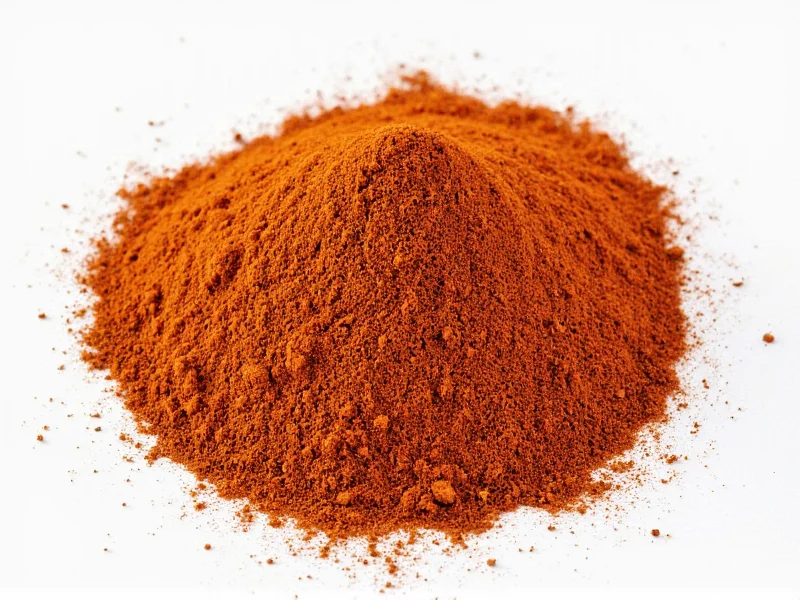
When you're mid-recipe and realize you're out of your favorite savory seasoning, knowing effective substitutes can save your dish. Savory flavors—often described as umami—provide that deep, meaty richness essential in countless recipes. Whether you're accommodating dietary restrictions, facing pantry shortages, or simply experimenting, understanding how to replace savory spices maintains flavor integrity without compromising your cooking.
Understanding Savory Flavor Profiles
Savory isn't just a single taste—it's the complex umami sensation that makes foods satisfying and rich. Traditional savory seasonings often contain glutamates, nucleotides, and other compounds that trigger this fifth basic taste. When seeking substitutes, focus on ingredients that deliver similar depth rather than exact flavor replication. The most effective alternatives work by providing either glutamic acid (the compound responsible for umami) or inosinate/guanylate compounds that enhance umami perception.
Common Savory Seasonings and Their Best Substitutes
Not all savory seasonings serve identical purposes. Some are salt-forward, others emphasize herbal notes, and many blend multiple flavor dimensions. Successful substitution requires matching both the primary function and flavor profile of the original ingredient.
| Original Savory Seasoning | Best Substitute | Substitution Ratio | Why It Works |
|---|---|---|---|
| MSG (Monosodium Glutamate) | Miso paste or dried shiitake mushrooms | 1 tsp MSG = 1 tbsp miso paste or 1 tsp mushroom powder | Both contain natural glutamates that provide identical umami compounds without processed additives |
| Garlic Salt | Garlic powder + kosher salt | 1 tsp garlic salt = ½ tsp garlic powder + ½ tsp salt | Maintains both garlic flavor and salt content while allowing sodium control |
| Onion Powder | Fresh minced shallots or asafoetida (hing) | 1 tbsp onion powder = 2 tbsp fresh shallots or ⅛ tsp asafoetida | Shallots provide similar allium notes; asafoetida offers potent onion-garlic flavor in small quantities |
| Celery Salt | Ground celery seeds + salt or fennel seeds | 1 tsp celery salt = ½ tsp celery seeds + ½ tsp salt | Celery seeds contain concentrated flavor compounds; fennel offers similar earthy notes |
| Poultry Seasoning | Thyme + sage + marjoram blend | 1 tbsp poultry seasoning = 1 tsp each dried thyme, sage, marjoram | Recaptures the herbal complexity without pre-mixed commercial blends |
Building Custom Savory Blends from Pantry Staples
When commercial savory blends aren't available, create your own using basic ingredients. The foundation of most savory substitutes combines three elements: salt for flavor enhancement, umami-rich components for depth, and aromatic herbs for complexity. For a versatile all-purpose savory substitute, combine 2 parts nutritional yeast, 1 part onion powder, 1 part garlic powder, and ½ part dried thyme. This mixture works particularly well as a vegetarian alternative to savory seasoning in soups, stews, and roasted vegetables.
For gluten-free savory spice replacements, ensure all components are certified gluten-free, as some commercial blends contain wheat derivatives. Tamari (gluten-free soy sauce) makes an excellent liquid substitute when recipes call for savory seasoning in wet applications.
Advanced Substitution Techniques for Professional Results
Professional chefs often layer multiple umami sources for depth. When substituting savory seasonings in critical applications like gravies or braises, combine ¼ tsp tomato paste (for natural glutamates), ¼ tsp nutritional yeast, and a splash of Worcestershire sauce (check for anchovies if vegetarian). This umami flavor alternative for cooking creates complexity that single-ingredient substitutes can't match.
For quick savory flavor substitutes using pantry staples, keep dried mushrooms in your spice cabinet. Grind porcini or shiitake mushrooms into powder for instant umami boost. Just ½ teaspoon mushroom powder equals the savory impact of 1 teaspoon commercial seasoning blend. Store in an airtight container for up to six months.
Troubleshooting Substitution Challenges
When your savory spice blend replacement falls flat, consider these adjustments. If the flavor lacks depth, add a pinch of sugar to balance; if too salty, incorporate acid through lemon juice or vinegar; if missing complexity, introduce a small amount of smoked paprika. Remember that most homemade savory spice substitute recipes require slight recipe recalibration—taste as you go and adjust incrementally.
For dishes where savory seasoning is central (like meat rubs or stuffing), consider whether substitution is appropriate. Some applications demand specific flavor compounds that alternatives can't fully replicate. In these cases, it's better to modify the recipe than force an unsuitable substitute.
FAQ
What's the best substitute for savory seasoning in vegetarian cooking?
Nutritional yeast combined with mushroom powder and a touch of soy sauce creates an excellent vegetarian umami substitute. Use 1 tablespoon nutritional yeast, 1 teaspoon mushroom powder, and ½ teaspoon soy sauce to replace 1 tablespoon savory seasoning.
Can I use Worcestershire sauce as a savory spice substitute?
Yes, but with caution. Worcestershire sauce contains umami compounds from anchovies and fermented ingredients. Use 1 teaspoon Worcestershire sauce to replace ½ teaspoon dry savory seasoning, reducing other liquids accordingly. Note that traditional Worcestershire isn't vegetarian.
How do I substitute savory seasoning in gluten-free recipes?
For gluten-free savory spice replacements, combine equal parts garlic powder, onion powder, and dried thyme with half parts celery seed. Ensure all components are certified gluten-free, as some commercial spice blends contain wheat fillers. Tamari makes an excellent liquid alternative to soy-based savory sauces.
What's a quick pantry substitute for savory seasoning?
The fastest quick savory flavor substitute using pantry staples is equal parts garlic powder, onion powder, and dried parsley with a pinch of black pepper. This basic blend works well in most savory applications when you need an immediate solution without specialty ingredients.




 浙公网安备
33010002000092号
浙公网安备
33010002000092号 浙B2-20120091-4