
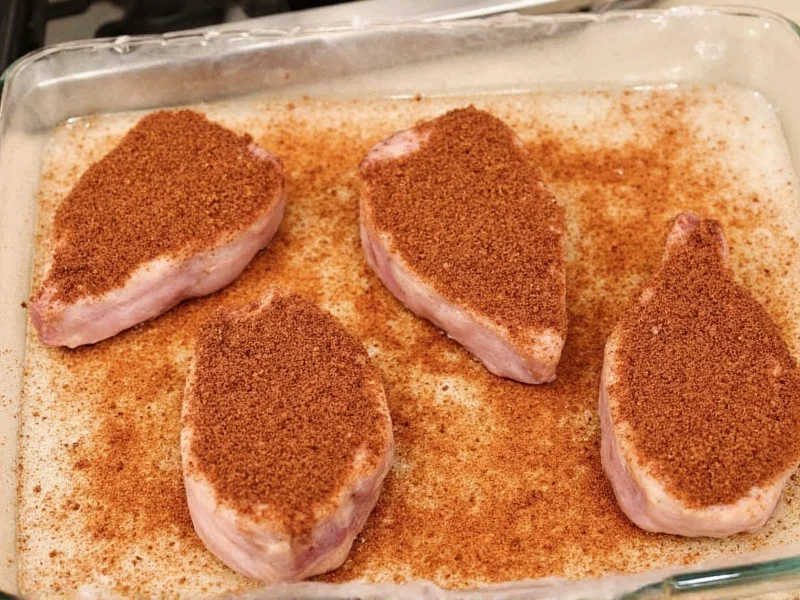
The Science Behind Effective Pork Chop Rubs
Pork chops benefit from rubs that complement their natural umami while cutting through richness. The ideal spice rub for pork chops contains three critical components:- Sweet elements (brown sugar, maple sugar) - Caramelize during cooking and balance pork's richness
- Savory foundations (paprika, garlic, onion) - Build depth and umami complexity
- Aromatic accents (thyme, cayenne, black pepper) - Add dimension and finish
| Salt Type | Crystal Size | Sodium Content (per 1/4 tsp) | Best for Rubs |
|---|---|---|---|
| Table salt | Fine | 590 mg | Less ideal (risk of over-salting) |
| Kosher salt (Diamond Crystal) | Large flakes | 280 mg | Ideal (adheres well, controlled) |
| Kosher salt (Morton) | Medium flakes | 400 mg | Good |
| Sea salt (coarse) | Coarse | ~450 mg | Good for texture |
Source: University of Georgia Extension Salt: What's the Difference?
Classic All-Purpose Pork Chop Rub Recipe
This versatile dry rub works for all cooking methods and pork chop thicknesses:| Ingredient | Measurement | Function |
|---|---|---|
| Brown sugar | 2 tablespoons | Caramelization, sweetness balance |
| Paprika (smoked or sweet) | 1 tablespoon | Color, earthy base flavor |
| Garlic powder | 1½ teaspoons | Savory depth |
| Onion powder | 1½ teaspoons | Umami foundation |
| Freshly ground black pepper | 1 teaspoon | Heat, aromatic finish |
| Kosher salt | 1 teaspoon | Flavor enhancer, tenderizer |
| Cayenne pepper | ½ teaspoon | Subtle heat (adjust to preference) |
| Dried thyme | ½ teaspoon | Herbal complexity |
Application Techniques for Maximum Flavor
Proper application makes the difference between good and exceptional results:- Dry the surface - Pat pork chops thoroughly with paper towels before applying rub
- Oil first - Lightly coat chops with neutral oil (avocado or grapeseed) to help rub adhere
- Press, don't sprinkle - Firmly press the rub into the meat rather than just sprinkling
- Resting time - Allow 30-60 minutes at room temperature before cooking for optimal flavor penetration
- Thickness adjustment - For thick-cut pork chops (1.5"+), increase resting time to 2 hours or refrigerate overnight
Flavor Variations for Different Preferences
Customize your homemade pork chop seasoning recipe to match your taste preferences:Smoky Bourbon Rub
Replace regular paprika with smoked paprika and add 1 teaspoon bourbon powder or 2 teaspoons real bourbon to the wet ingredients. The smoky notes complement pork's richness exceptionally well, creating a restaurant-quality dry rub for grilled pork chops.
Sweet & Spicy Maple Rub
Substitute maple sugar for brown sugar and increase cayenne to 1 teaspoon. Add ¼ teaspoon ground cinnamon for warmth. This variation works particularly well with how to make spice rub for thick cut pork chops that need extra flavor penetration.
Herbes de Provence Rub
Reduce thyme to ¼ teaspoon and add 1 teaspoon herbes de Provence blend, ½ teaspoon dried rosemary, and ¼ teaspoon lavender. Ideal for a more sophisticated flavor profile that elevates simple pork chop seasoning.
Cooking Methods and Timing
The cooking method affects how your spice rub performs:- Grilling - Medium-high heat (375-400°F), 4-5 minutes per side for 1" chops. The direct heat creates excellent crust formation on your dry rub for grilled pork chops.
- Pan-searing - Cast iron at medium-high heat, 3-4 minutes per side. Finish in 400°F oven if chops are thicker than 1.25".
- Smoking - Apply extra rub and smoke at 225°F until internal temperature reaches 140°F, then finish with high-heat sear.
Troubleshooting Common Rub Problems
Even experienced cooks encounter issues with pork chop seasoning. Here's how to fix them:- Burning sugar - If using sugar-based rubs, reduce heat slightly or apply rub just before cooking rather than allowing long rests
- Rub falling off - Ensure meat surface is dry before applying and use oil as an adhesive
- Overpowering heat - Balance with additional brown sugar or a touch of acid (lemon zest) in the rub
- Uneven seasoning - Measure ingredients carefully - eyeballing leads to inconsistent results with simple pork chop rub ingredients
Contextual Considerations for Optimal Results
Understanding these evidence-based limitations ensures consistent success across different scenarios:
- Temperature Constraints: University of Minnesota Extension research confirms sugary rubs burn above 400°F. For high-heat methods (broiling/grilling >450°F), reduce brown sugar by 50% or substitute with smoked paprika to maintain crust formation without charring. Source
- Pork Quality Variables: USDA grading standards show marbling differences significantly impact rub performance. Lean loin chops (Select grade) require the full sugar content for moisture retention, while well-marbled blade chops (Choice grade) tolerate bolder salt concentrations. USDA Pork Grading Standards
- Altitude Adjustments: Colorado State University data indicates water boils 6°F lower at 5,000 feet elevation. Increase cooking time by 20-25% when preparing thick-cut chops at high altitudes to achieve safe internal temperatures without surface burning. Source
Storage and Make-Ahead Tips
A quality homemade pork chop seasoning recipe can be prepared in advance:- Store dry rub in airtight container for up to 3 months
- For meal prep, apply rub to chops and refrigerate for up to 24 hours before cooking
- Double or triple the recipe for larger batches - this perfect pork chop seasoning ratio scales easily
- Keep separate components (sugar, salt, spices) if concerned about clumping in humid environments
Why This Approach Works Better Than Store-Bought
Commercial spice blends often contain fillers, anti-caking agents, and excessive salt. Creating your own restaurant-style pork chop rub gives you control over:- Ingredient quality - use fresh, high-grade spices
- Salt content - adjust to dietary needs
- Flavor balance - customize to personal preference
- Freshness - spices lose potency over time in pre-mixed blends




 浙公网安备
33010002000092号
浙公网安备
33010002000092号 浙B2-20120091-4