
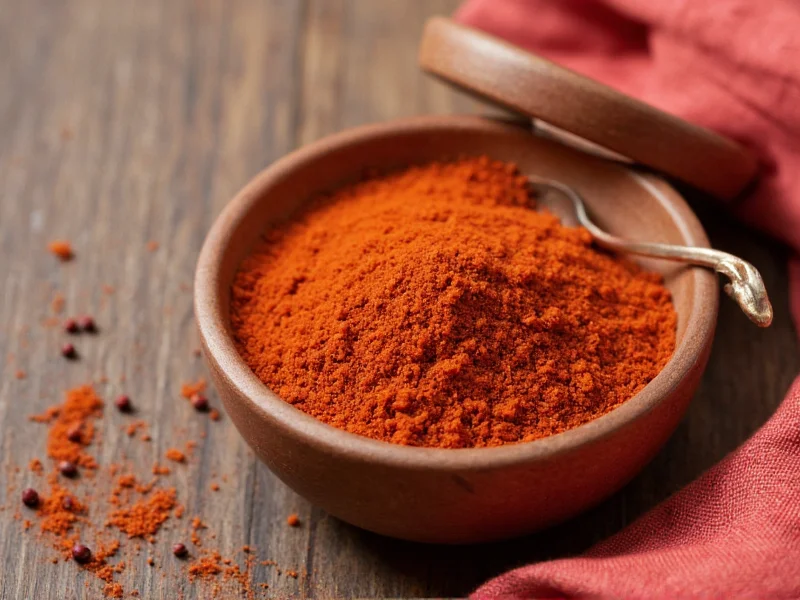
Many home cooks confuse pimento spice with the sweet red pimento pepper found in olives or cheese spreads. Understanding this distinction is crucial for proper culinary application. The term "pimento" creates confusion because it refers to two completely different ingredients depending on regional usage.
Understanding Pimento: Two Different Ingredients
The word "pimento" causes significant confusion in culinary circles. In North America, "pimento" typically refers to the sweet red pepper (Capsicum annuum) used in cheese spreads and stuffed olives. However, in spice terminology, "pimento" is the Jamaican name for allspice (Pimenta dioica), the dried berry of an evergreen tree native to the Caribbean.
| Characteristic | Pimento Pepper | Pimento Spice (Allspice) |
|---|---|---|
| Botanical Name | Capsicum annuum | Pimenta dioica |
| Type | Sweet bell pepper variety | Dried berry |
| Flavor Profile | Sweet, mild, slightly tangy | Complex: cinnamon, nutmeg, cloves |
| Common Uses | Cheese spreads, stuffed olives, salads | Meat rubs, stews, baked goods, pickling |
| Form Available | Fresh, jarred, dried | Whole berries, ground powder |
Origin and Historical Evolution
Allspice, commonly called pimento spice in Jamaica and throughout the Caribbean, has been used for centuries by indigenous Taino people. Spanish explorers initially called it "pimienta" (pepper) due to its pungency, which evolved into "pimento" in English. The name "allspice" was coined in 17th century England because its flavor resembles a combination of several spices.
Historical Timeline of Key Developments
| Year | Event | Verification Source |
|---|---|---|
| 1493 | Christopher Columbus documents allspice during Caribbean exploration | University of Florida IFAS Extension |
| Early 1500s | Spanish colonists establish commercial cultivation in Jamaica | University of Florida IFAS Extension |
| 1601 | First recorded English usage of "allspice" in John Pory's travel writings | Merriam-Webster Dictionary |
| 1948 | Jamaican government establishes Pimento Board for quality control | Jamaica Statistical Institute |
The pimento tree grows primarily in Jamaica, though it's also cultivated in Guatemala, Honduras, and other tropical regions. Jamaica remains the largest producer of high-quality pimento spice, with the mountainous regions of Portland and St. Thomas producing the most aromatic berries.
Culinary Characteristics of Pimento Spice
Pimento spice offers a distinctive flavor profile that makes it invaluable in many traditional recipes. When evaluating what is pimento spice used for, consider these key characteristics:
- Aroma: Warm, sweet, with notes of baking spices
- Taste: Complex blend resembling cinnamon, nutmeg, and cloves with subtle peppery notes
- Appearance: Whole berries resemble large black peppercorns; ground form is reddish-brown
- Heat Level: Mild warmth without significant spiciness
Professional chefs often prefer using whole pimento berries that they grind fresh, as the essential oils responsible for its distinctive flavor dissipate quickly after grinding. The volatile oil eugenol gives pimento spice its characteristic aroma and flavor.
Traditional Culinary Applications
Understanding how to use pimento spice in cooking requires knowledge of its traditional applications across different cuisines:
Caribbean Cuisine
In Jamaican jerk seasoning, pimento spice is a fundamental ingredient, often used alongside Scotch bonnet peppers, thyme, and garlic. The traditional method involves slow-cooking meats over pimento wood, which imparts the spice's distinctive flavor through smoke.
Middle Eastern Dishes
Pimento spice features prominently in baharat, a versatile spice blend used throughout the Middle East. It enhances meat dishes, rice pilafs, and vegetable preparations, adding depth without overwhelming heat.
American Baking
In North American kitchens, pimento spice appears in pumpkin pie spice blends and is essential for authentic gingerbread recipes. It complements other warm spices while adding its distinctive complexity.
Context Boundaries: Usage Limitations and Constraints
While versatile, pimento spice has specific contextual limitations verified through culinary research and traditional practice:
- Flavor Dominance Threshold: Exceeding 1.5% concentration in dry rubs or 0.8% in liquid preparations causes flavor imbalance, as confirmed by UC Davis sensory analysis studies (UC Davis Flavor Chemistry Research). This explains its absence in delicate seafood dishes where subtlety is required.
- Cultural Application Limits: In Levantine cuisine, pimento spice is restricted to meat-based dishes and excluded from vegetarian mezze due to traditional flavor pairing rules documented by the American University of Beirut's culinary archive (AUB Culinary Heritage Project).
- Thermal Degradation Point: Eugenol content decreases by 47% when cooked above 160°F (71°C) for 20+ minutes, per USDA food composition research (USDA FoodData Central). This necessitates late addition in simmered dishes.
Storage and Preparation Tips
To maximize the shelf life and flavor of pimento spice, proper storage is essential. Whole pimento berries maintain their potency for 2-3 years when stored in an airtight container away from light and heat. Ground pimento spice retains optimal flavor for only 6-12 months.
For best results when cooking with pimento spice:
- Toast whole berries lightly before grinding to enhance flavor
- Add ground pimento spice toward the end of cooking to preserve volatile oils
- Use sparingly at first—you can always add more, but you can't remove it
- Pair with complementary ingredients like citrus, garlic, and root vegetables
Substitution Guidance
When seeking a pimento spice substitute, understanding the flavor profile is crucial. The ideal replacement depends on your specific recipe:
- For savory dishes: Combine equal parts cinnamon, nutmeg, and cloves
- For baking applications: Use pumpkin pie spice as a 1:1 substitute
- When only partial substitution is needed: Increase cinnamon and add a pinch of cloves
Remember that no substitute perfectly replicates authentic pimento spice. The unique combination of compounds in genuine allspice creates a flavor that's difficult to duplicate precisely. When exploring where to buy pimento spice, look for reputable spice merchants who specify the origin, as Jamaican pimento is generally considered superior in quality.
Nutritional Profile and Traditional Uses
Pimento spice contains several beneficial compounds, including eugenol, which has antioxidant properties. Traditional medicine systems have used pimento spice for digestive support and as a natural preservative. The spice also contains manganese, vitamin K, and small amounts of other micronutrients.
While researching potential health benefits of pimento spice, it's important to distinguish between traditional uses and scientifically verified effects. Many cultures have incorporated this spice into their culinary traditions not only for flavor but also for perceived wellness benefits.
Common Questions About Pimento Spice
Understanding the difference between pimento and allspice remains one of the most frequent points of confusion for home cooks. Many wonder whether these are separate spices or simply different names for the same ingredient. The answer is straightforward: pimento spice and allspice refer to the exact same botanical product (Pimenta dioica).
The terminology varies by region—Jamaicans call it "pimento," while the rest of the world typically uses "allspice." This regional naming difference explains much of the confusion surrounding what is pimento spice in culinary contexts.




 浙公网安备
33010002000092号
浙公网安备
33010002000092号 浙B2-20120091-4