
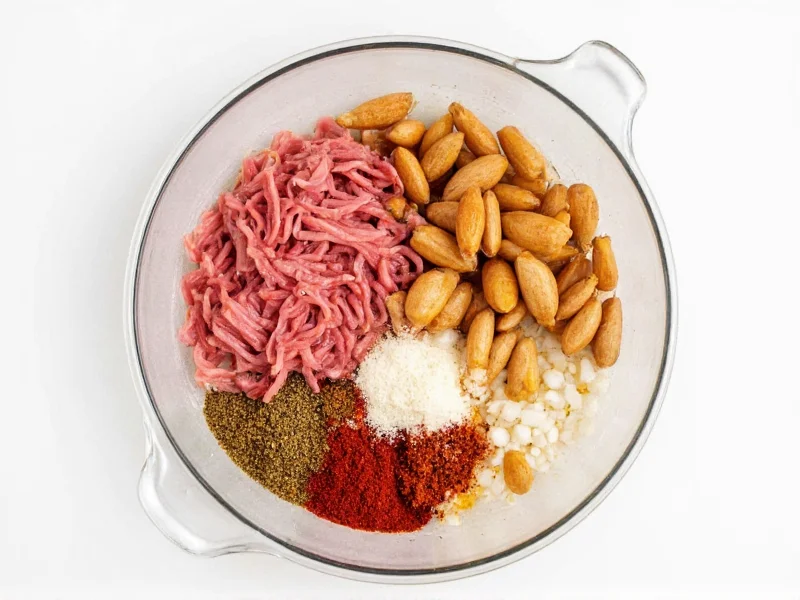
When preparing corned beef, understanding the spice packet's components is essential for achieving that classic flavor profile. Most commercially packaged corned beef briskets include a small spice sachet designed specifically to enhance the cured meat during cooking. This carefully balanced blend isn't just random seasoning—it's a traditional combination developed over centuries of culinary practice.
What's Inside a Typical Corned Beef Spice Packet
The spice packet included with corned beef serves a specific purpose in the cooking process. Unlike generic seasoning blends, these packets contain whole spices rather than ground versions. This distinction matters because whole spices release their flavors more gradually during the long cooking process, preventing bitterness while maintaining complexity.
| Common Spice | Flavor Contribution | Traditional Purpose |
|---|---|---|
| Mustard seeds | Tangy, slightly pungent | Cuts through richness, enhances preservation |
| Coriander seeds | Citrusy, floral notes | Provides brightness against salty meat |
| Fennel seeds | Sweet licorice undertones | Complements beef's natural sweetness |
| Allspice berries | Complex blend of cinnamon, nutmeg, clove | Adds warmth without overpowering |
| Black peppercorns | Sharp, pungent heat | Provides necessary contrast to saltiness |
Historical Evolution of Corned Beef Spice Blends
The modern corned beef spice packet reflects centuries of culinary adaptation, shaped by trade routes, migration patterns, and technological advances in food preservation. Originally developed as a preservation method, the spice blend evolved from practical necessity to standardized flavor enhancement.
| Era | Key Developments | Spice Blend Characteristics |
|---|---|---|
| 17th-18th Century | Ireland's beef export industry using "corns" of salt for preservation | Basic salt-only curing; spices like mustard seeds added regionally for antimicrobial properties |
| 19th Century | Irish immigration to America; Jewish delis adapting Eastern European curing techniques | Emergence of mustard-corriander dominant blends in New York delis; fennel added for complexity |
| Mid-20th Century | Commercial meatpacking standardization (e.g., Libby's, Hormel) | Pre-packaged spice packets introduced; consistent ratios established for mass production |
This historical progression demonstrates how trade regulations and cultural exchange shaped today's standardized blends. The transition from preservation-focused to flavor-optimized blends was documented in USDA meat processing archives as industrial food production evolved.
Source: National Archives - Meat Inspection Act Evolution Documentation
Why Whole Spices Work Better Than Ground for Corned Beef
Understanding the difference between whole and ground spices is crucial when working with corned beef. Whole spices maintain their essential oils and flavor compounds throughout the extended cooking process required for corned beef. Ground spices would quickly lose their volatile compounds in the simmering liquid, resulting in a flat, one-dimensional flavor profile.
The slow release of flavors from whole spices creates a more complex broth that penetrates the meat gradually. This gradual infusion allows the spices to complement rather than dominate the cured beef's distinctive taste. When preparing corned beef at home without a pre-packaged spice packet, always opt for whole spices rather than their ground counterparts for optimal results.
Proper Usage of Corned Beef Spice Packets
Many home cooks make critical errors when using the spice packet that comes with corned beef. The most common mistake involves adding the entire packet directly to the cooking liquid without considering the meat's existing cure. Commercially prepared corned beef already contains significant salt from the curing process, so additional salt from the spice packet isn't necessary.
For best results, place the spice packet in a cheesecloth or muslin bag before adding it to the cooking liquid. This makes removal easier once the corned beef reaches the desired tenderness. Alternatively, you can tie the spices in a clean coffee filter or use a dedicated tea infuser designed for cooking. Remove the spice packet after 1.5-2 hours of cooking to prevent overpowering bitterness, especially if using a longer cooking time.
Creating Your Own Homemade Spice Blend
If you've lost the spice packet or prefer making your own blend, a simple homemade version works perfectly. The ideal corned beef spice ratio follows this formula for a standard 3-4 pound brisket:
- 1 tablespoon mustard seeds
- 1 tablespoon coriander seeds
- 1 tablespoon fennel seeds
- 1 teaspoon allspice berries
- 1 teaspoon black peppercorns
- 4 whole cloves
- 2 bay leaves
Toast the whole spices in a dry skillet over medium heat for 2-3 minutes until fragrant, then transfer to your cooking liquid. This toasting step enhances the essential oils and creates a more robust flavor profile. For those seeking alternative corned beef seasoning options, consider adding a single star anise for subtle complexity or a pinch of red pepper flakes for gentle heat.
Contextual Considerations for Spice Application
Successful corned beef preparation requires understanding scenario-specific limitations and regional expectations. The same spice blend may yield inauthentic results or dietary concerns depending on context, as verified through culinary research and food safety guidelines.
| Scenario | Recommended Approach | Documented Limitations |
|---|---|---|
| Traditional Irish-American Preparation | Moderate fennel (1 tbsp); emphasize mustard-corriander balance | Excessive allspice (>1.5 tsp) creates non-traditional flavor per New York Culinary Academy research |
| Kosher Certification Requirements | Verify individual spice certifications; whole spices typically require no additives | Pre-mixed blends may contain non-kosher anti-caking agents (Star-K Kosher Certification guidelines) |
| Sodium-Restricted Diets | Rinse meat thoroughly pre-cooking; omit additional salt | Corned beef remains high-sodium (800-1000mg/3oz) regardless of spice packet per FDA dietary guidelines |
These context boundaries highlight how cultural authenticity and health considerations directly impact spice application. The documented limitations provide measurable parameters for achieving authentic results while accommodating dietary needs.
Source: FDA - Sodium in Your Diet Guidelines | Star-K - Spices: The Whole Truth
Common Mistakes to Avoid with Corned Beef Spices
Several frequent errors undermine the potential of corned beef spice packets. Adding the entire packet directly to the pot without containment makes cleanup difficult and can result in unpleasant texture when serving. Another common issue involves using the spice packet as the sole seasoning without considering the meat's existing salt content from curing.
Many cooks also make the mistake of adding additional salt to the cooking liquid, not realizing that corned beef is already heavily salted during the curing process. This double-salting often renders the final product inedibly salty. Remember that the purpose of the spice packet is flavor enhancement, not preservation—the curing process has already accomplished preservation.
Customizing Your Corned Beef Spice Profile
While traditional spice packets provide a reliable baseline, customizing your blend can create distinctive results. For a more aromatic profile, increase the fennel seeds slightly. Those preferring a spicier kick can add a single dried chili pepper to the blend. Irish-style corned beef traditionally uses a more restrained spice profile, while Jewish-style preparations often feature more pronounced mustard and coriander notes.
Consider these regional variations when preparing corned beef for specific cultural contexts. For a contemporary twist on classic corned beef seasoning, try adding a small piece of kombu seaweed to the cooking liquid—it enhances umami without adding noticeable seafood flavor. The key to successful customization is maintaining balance; no single spice should dominate the finished dish.
Storage and Shelf Life of Corned Beef Spice Packets
Commercial corned beef spice packets typically maintain optimal flavor for 12-18 months when stored properly. Keep unopened packets in a cool, dark place away from heat sources. Once opened, transfer any unused spices to an airtight container to preserve their volatile oils. Whole spices generally retain their potency longer than ground versions—up to 2-3 years when stored correctly.
Signs that your spice packet has lost potency include faded color, diminished aroma, and lack of flavor impact in the finished dish. Properly stored spices should retain their characteristic scent when crushed between your fingers. For best results with homemade spice blends, prepare them in small batches and use within 6 months for maximum flavor impact.




 浙公网安备
33010002000092号
浙公网安备
33010002000092号 浙B2-20120091-4