
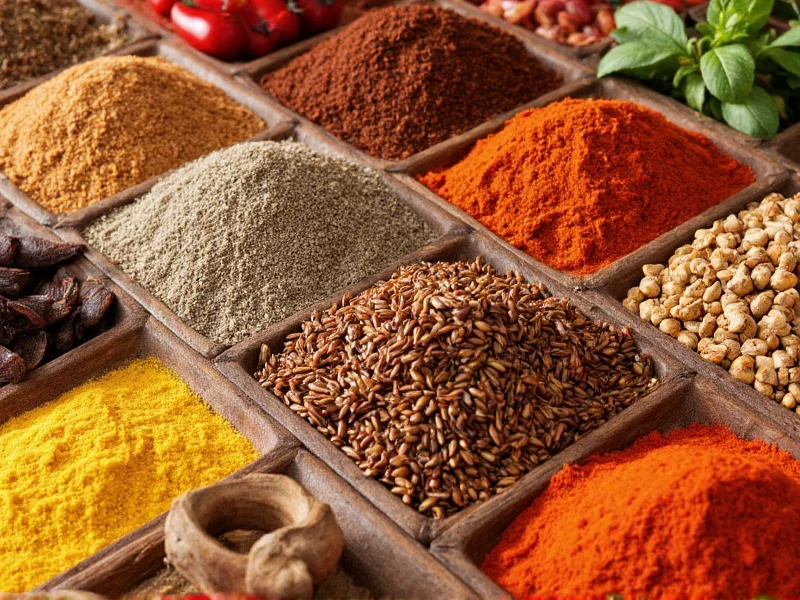
Understanding Spice Classification Systems
Professional chefs and culinary experts organize spices into distinct categories to optimize flavor development in cooking. These classification systems serve as essential frameworks for recipe development, menu planning, and flavor pairing. The most scientifically recognized system categorizes spices by their botanical origins, while practical kitchen applications often group them by flavor intensity or culinary function.
Botanical Classification of Spices
Botanical classification represents the most scientifically accurate method for categorizing spices, as it identifies the plant part from which each spice originates. This system provides valuable insights into flavor compounds and proper usage techniques.
| Botanical Category | Common Examples | Flavor Characteristics | Best Culinary Applications |
|---|---|---|---|
| Seed Spices | Cumin, Coriander, Mustard, Fennel | Earthy, nutty, sometimes citrus notes | Rubbed on meats, toasted for curries, bread seasonings |
| Bark Spices | Cinnamon, Cassia, Camphor | Warm, sweet, complex | Baking, mulled beverages, braising liquids |
| Root Spices | Ginger, Turmeric, Galangal | Pungent, earthy, sometimes floral | Curries, stir-fries, medicinal teas |
| Fruit Spices | Allspice, Star Anise, Cardamom | Sweet, complex, often aromatic | Desserts, pickling, spice blends |
| Bud Spices | Cloves, Capuchina | Intensely aromatic, pungent | Ham glazes, mulled wines, spice mixes |
Flavor Profile Classification System
Chefs frequently categorize spices by their dominant flavor characteristics rather than botanical origins. This practical approach helps with recipe development and flavor balancing. Understanding different spice categories by flavor intensity prevents overpowering dishes while achieving desired taste profiles.
Warm spices like cinnamon and nutmeg provide comforting depth without significant heat. Hot spices including chili peppers and black pepper deliver varying levels of pungency. Sweet spices such as vanilla and anise create dessert-friendly profiles. Earthy spices like cumin and turmeric contribute grounding notes to savory dishes. Floral spices including saffron and lavender add delicate aromatic notes.
Geographical Spice Classification
Many traditional cuisines categorize spices by their regional origins, reflecting historical trade routes and cultural adaptations. Mediterranean spice categories emphasize herbs and citrus notes, while Indian spice classifications focus on complex blends. Understanding regional spice categories helps recreate authentic dishes from specific culinary traditions.
For example, the classic French quatre épices (four spices) blend typically includes pepper, cloves, nutmeg, and ginger. Middle Eastern za'atar represents a distinct category of spice blends featuring thyme, sumac, and sesame seeds. These regional classifications demonstrate how cultural contexts shape spice usage patterns across different categories of spices.
Historical Evolution of Spice Classification
Spice categorization has transformed through centuries of global trade and cultural exchange. Historical records from the British Library reveal that medieval European markets classified spices exclusively by perceived geographical origin (e.g., "pepper from India") due to limited botanical knowledge and secretive trade practices[1]. This changed during the Age of Exploration (15th-17th centuries) when European botanists began documenting actual plant sources, establishing the foundation for modern botanical systems.
By the 19th century, culinary institutions formalized parallel classification frameworks. The Royal Botanic Gardens, Kew developed standardized botanical documentation for food safety purposes[2], while professional kitchens adopted flavor-based systems for practical cooking. This dual evolution explains why contemporary cooks navigate multiple classification systems: geographical terms persist in cultural contexts (like "Chinese five-spice"), while scientific accuracy informs substitution science and regulatory standards.
[1] British Library, "The Spice Trade in the Middle Ages", https://www.bl.uk/learning/histcitizen/medieval/spiceroad/spiceroad.html
[2] Royal Botanic Gardens, Kew, "Historical Collections Documentation", https://www.kew.org/science/collections-and-resources/historical-collections
Contextual Frameworks for Classification Systems
Not all classification systems serve every purpose equally. Oregon State University Extension's research demonstrates that botanical categorization is essential when addressing food safety concerns—their guidelines specify that cassia (a bark spice) contains up to 60 times more coumarin than true cinnamon (Ceylon), requiring usage limits for at-risk populations[3]. This system also determines storage requirements, as seed spices (like cumin) lose potency 40% faster than bark spices when improperly stored.
Conversely, flavor intensity classification becomes critical during recipe development. The same extension publication notes that heat levels vary dramatically between categories—cayenne pepper (Scoville 30,000-50,000) delivers 20x more heat than black pepper (Scoville 100-500), requiring precise substitution ratios[3]. For daily cooking, the culinary application framework (aromatics/seasonings/finishers) provides the most intuitive structure, validated through decades of home cook education programs.
[3] Oregon State University Extension, "Spices and Herbs", https://catalog.extension.oregonstate.edu/sites/catalog/files/project/pdf/ec1310.pdf (see pp. 3-4)
Practical Applications for Home Cooks
Understanding spice categories transforms cooking experiences by enabling better flavor decisions. When exploring different spice categories, start with small quantities and build gradually. Toasting whole spices before grinding releases essential oils and intensifies flavors within each category. Proper storage maintains potency—keep spices in airtight containers away from heat and light.
When creating your own spice blends, balance elements from different spice categories: one warm spice, one earthy spice, and one aromatic component creates well-rounded flavor profiles. For beginners learning about spice classification systems, start with three fundamental categories: aromatics (onion, garlic), seasonings (salt, pepper), and flavor enhancers (herbs, citrus zest).
Common Misconceptions About Spice Classification
Many home cooks mistakenly believe that all hot spices belong to a single category, when in reality heat levels vary dramatically across different spice classifications. Black pepper and chili peppers, for instance, come from completely different botanical families yet both deliver heat. Another misconception involves confusing herbs and spices—herbs come from leafy plant parts while spices derive from other plant components.
Understanding the precise categorization of spices prevents common cooking errors. For example, substituting ground cinnamon (bark spice) for cinnamon sticks requires adjusting quantities since their flavor concentrations differ significantly within the same spice category. Recognizing these distinctions represents essential knowledge when working with various spice categories.




 浙公网安备
33010002000092号
浙公网安备
33010002000092号 浙B2-20120091-4