
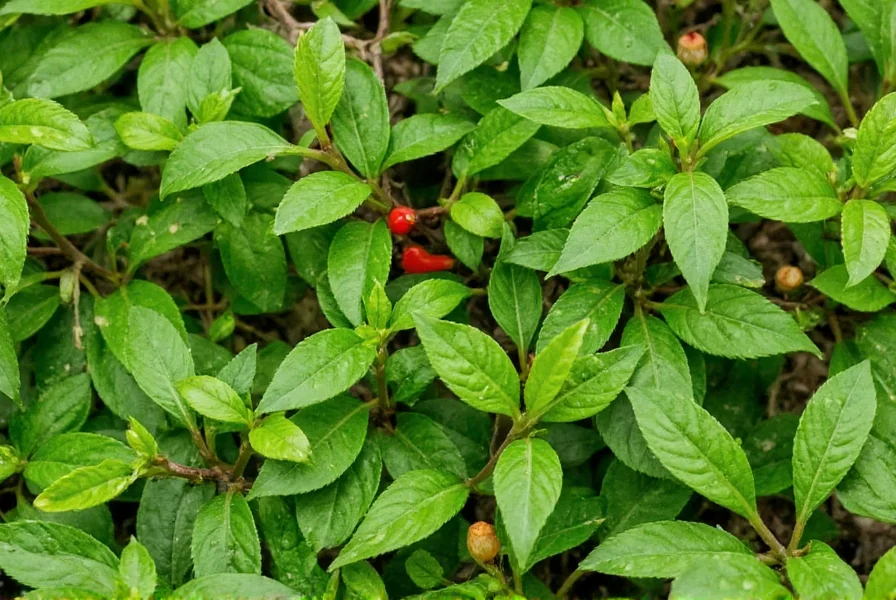
Proper spacing between pepper plants is essential for healthy growth and maximum yield. Most pepper varieties require 12-18 inches (30-45 cm) between individual plants and 18-36 inches (45-90 cm) between rows. Smaller hot pepper varieties can be spaced closer together at 12-15 inches, while larger bell peppers need the full 18 inches of space. Container-grown peppers need at least 12 inches between plants in containers that are 12-16 inches in diameter.
Getting the space between pepper plants right is one of the most critical yet overlooked aspects of successful pepper cultivation. Whether you're growing sweet bell peppers, spicy jalapeños, or exotic habaneros, proper plant spacing directly impacts your harvest quality, disease resistance, and overall plant health. Many gardeners make the mistake of planting too densely, which leads to reduced yields and increased pest problems.
Why Proper Spacing Matters for Pepper Plants
Pepper plants need adequate space to develop strong root systems, access sufficient nutrients, and receive proper air circulation. When plants are crowded:
- Airflow decreases, creating humid microclimates that encourage fungal diseases like powdery mildew
- Root competition for water and nutrients reduces overall plant vigor
- Sunlight penetration to lower leaves is limited, reducing photosynthesis
- Pest infestations spread more easily between touching plants
- Harvesting becomes difficult without damaging neighboring plants
Research from agricultural extension services consistently shows that properly spaced pepper plants produce 20-30% higher yields compared to overcrowded plantings. The optimal distance between pepper plants in garden settings allows each plant to reach its full potential without competing with neighbors.
Recommended Spacing by Pepper Variety
| Pepper Type | Spacing Between Plants | Spacing Between Rows | Container Size (if applicable) |
|---|---|---|---|
| Bell Peppers | 18 inches (45 cm) | 24-36 inches (60-90 cm) | 14-16 inch diameter |
| Jalapeños | 14-16 inches (35-40 cm) | 24-30 inches (60-75 cm) | 12-14 inch diameter |
| Habaneros | 16-18 inches (40-45 cm) | 30-36 inches (75-90 cm) | 14-16 inch diameter |
| Cherry Peppers | 12-14 inches (30-35 cm) | 24-30 inches (60-75 cm) | 12 inch diameter |
| Serranos | 14-16 inches (35-40 cm) | 24-30 inches (60-75 cm) | 12-14 inch diameter |
The ideal spacing for pepper plants in raised beds follows similar guidelines but can sometimes be slightly tighter due to improved soil conditions. In raised beds with excellent drainage and fertility, you might reduce spacing by 2-3 inches without negative effects.
Factors That Influence Optimal Spacing
While standard recommendations provide a good starting point, several factors affect the perfect distance between pepper plants in your specific garden:
Soil Quality and Fertility
In nutrient-rich soil with excellent organic matter content, plants develop larger root systems and may require slightly more space. In poorer soils, plants stay smaller, potentially allowing for slightly tighter spacing.
Climate Conditions
Gardeners in hot, humid climates should use wider spacing (up to 36 inches between rows) to maximize airflow and reduce disease pressure. In cooler, drier climates, you might get away with slightly closer spacing.
Growing Method
Proper spacing for container grown pepper plants differs from in-ground planting. Containers limit root spread, so plants don't need as much horizontal space. However, containers dry out faster, so adequate spacing still matters for air circulation.
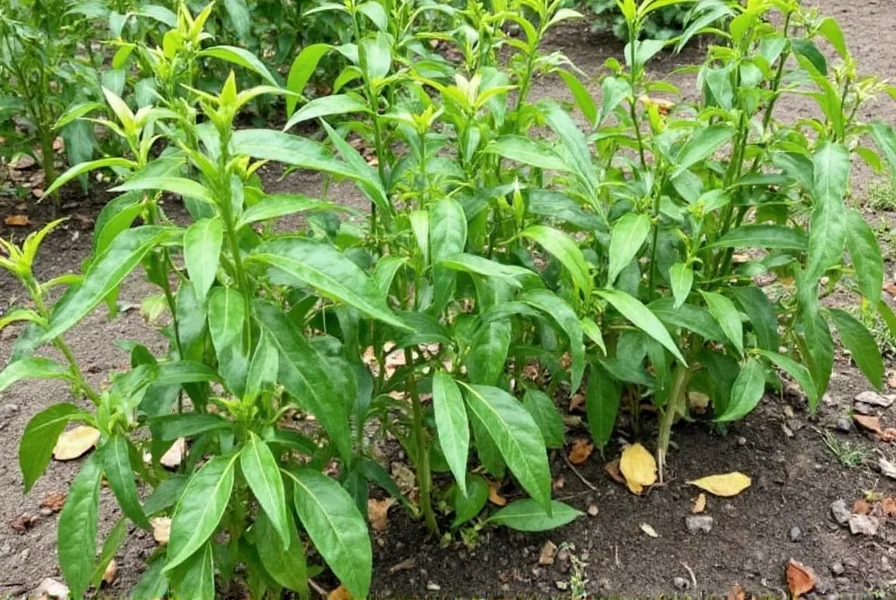
Consequences of Improper Spacing
Understanding the effects of overcrowded pepper plants helps emphasize why spacing matters:
Reduced Yield
Overcrowded plants compete for resources, resulting in smaller fruit and fewer peppers per plant. Studies show yields can decrease by up to 40% when plants are spaced too closely.
Increased Disease Pressure
Tight spacing creates humid conditions perfect for fungal diseases like Phytophthora blight and bacterial spot. These diseases spread rapidly in crowded conditions and can devastate entire crops.
Poor Fruit Quality
Plants fighting for light produce smaller, misshapen fruit with thinner walls. Properly spaced plants develop larger, higher-quality peppers with better flavor profiles.
Harvesting Difficulties
When plants grow together, harvesting becomes challenging without damaging neighboring plants. Adequate space between pepper plants for harvesting ensures you can easily access all fruit.
Evidence: Disease Incidence vs. Spacing
Research demonstrates the direct impact of spacing on disease management. A three-year field study by North Carolina State University Extension measured disease incidence in pepper crops with varying row spacing:
| Row Spacing Comparison | Phytophthora Blight Reduction | Marketable Yield Impact |
|---|---|---|
| 36-inch rows vs. 24-inch rows | 25% lower incidence | 15% higher yield |
Source: North Carolina State University Extension, "Pepper Production" (2020)
Context Boundaries: Critical Spacing Adjustments for Specific Conditions
Standard spacing recommendations assume average garden conditions. However, specific scenarios require mandatory adjustments. Ignoring these boundaries negates spacing benefits:
- Tropical/Humid Climates (USDA Zones 8-11): When average relative humidity exceeds 70%, maintain minimum 36-inch row spacing regardless of variety. The NCSU study confirmed that spacing below 36 inches in high-humidity regions accelerates disease transmission, eliminating any potential space-saving benefits.
- Container Gardening: One pepper plant per container is non-negotiable. The University of Georgia Extension states: "Plant one pepper plant per container to prevent root competition and nutrient deficiency" (UGA Extension, 2020). Multiple plants in a single container—even compact varieties—reduce yields by 25-30% and increase pest susceptibility.
Source for container guidelines: University of Georgia Extension, "Container Vegetable Gardening" (2020)
Practical Tips for Measuring and Maintaining Proper Spacing
Implementing the correct pepper plant spacing guide for home gardeners requires some planning:
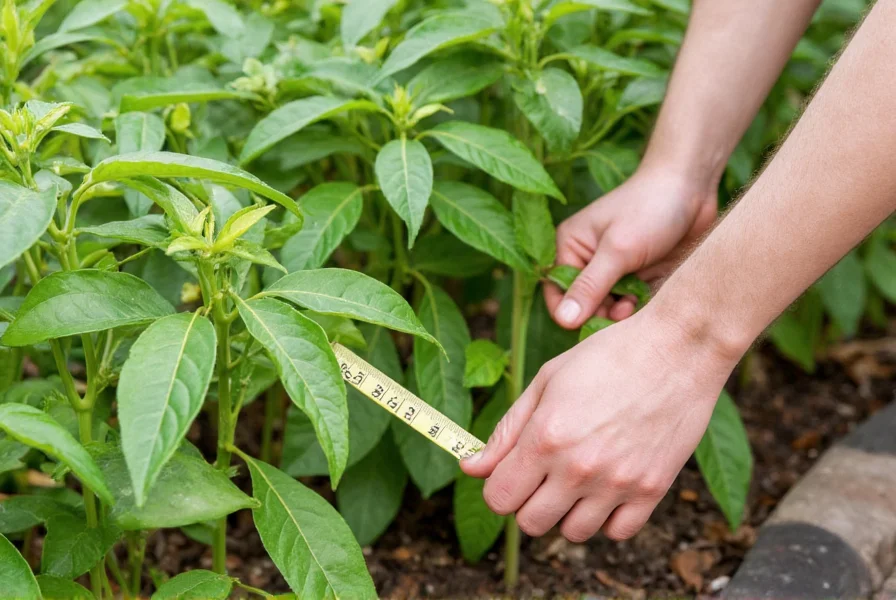
- Mark your spots before planting: Use a measuring tape and garden marker to create a grid pattern in your garden bed
- Consider mature size: Space based on the plant's expected size at maturity, not its size when transplanted
- Use the triangle method: For intensive planting, arrange plants in triangular patterns rather than straight rows to maximize space efficiency while maintaining airflow
- Adjust for microclimates: In particularly shady areas, increase spacing slightly to compensate for reduced light
- Monitor growth: Check spacing regularly as plants grow and thin if necessary during early growth stages
Common Spacing Mistakes to Avoid
Even experienced gardeners sometimes make these errors with pepper plant distance between plants:
- Planting too densely to maximize yield: Counterintuitively, overcrowding reduces total yield per square foot
- Ignoring variety differences: Treating all peppers the same regardless of mature size
- Not accounting for growth habit: Some varieties grow bushier while others grow taller
- Forgetting about airflow: Focusing only on plant-to-plant distance without considering row spacing
- Planting too close to other crops: Not considering how neighboring plants might affect pepper growth
Adjusting Spacing for Special Conditions
Certain growing situations require modified approaches to optimal space between pepper plants:
Container Gardening
For containers, use one pepper plant per 12-16 inch diameter pot. Larger varieties need bigger containers. The proper spacing for pepper plants in pots prevents root competition in the limited soil volume.
Greenhouse Growing
In controlled environments with excellent ventilation, you might reduce spacing by 10-15% compared to outdoor recommendations. However, maintain adequate space for air circulation to prevent humidity-related diseases.
Vertical Gardening
When growing peppers vertically with trellises, you can reduce in-row spacing to 12-14 inches while maintaining the same row spacing. The vertical growth habit allows for slightly denser planting without sacrificing airflow.
Final Recommendations
When determining the correct space between pepper plants, always err on the side of slightly more space rather than less. It's easier to fill empty space with companion plants than to fix overcrowding issues after plants are established. Remember that proper spacing is an investment that pays dividends in healthier plants, higher yields, and reduced disease problems throughout the growing season.




 浙公网安备
33010002000092号
浙公网安备
33010002000092号 浙B2-20120091-4