
Why Soy Lurks in Your Pantry (More Than You Think)
Let’s be real – soy isn’t just that block of tofu chilling in your fridge. I’ve analyzed thousands of ingredient labels over 20 years, and honestly? Soy derivatives are everywhere. Why? It’s cheap, shelf-stable, and packs protein. Food manufacturers love it as an emulsifier (thanks, soy lecithin!) or meat extender. But if you’re avoiding soy for allergies or health reasons, this becomes a serious scavenger hunt.
Obvious Soy Foods: The Usual Suspects
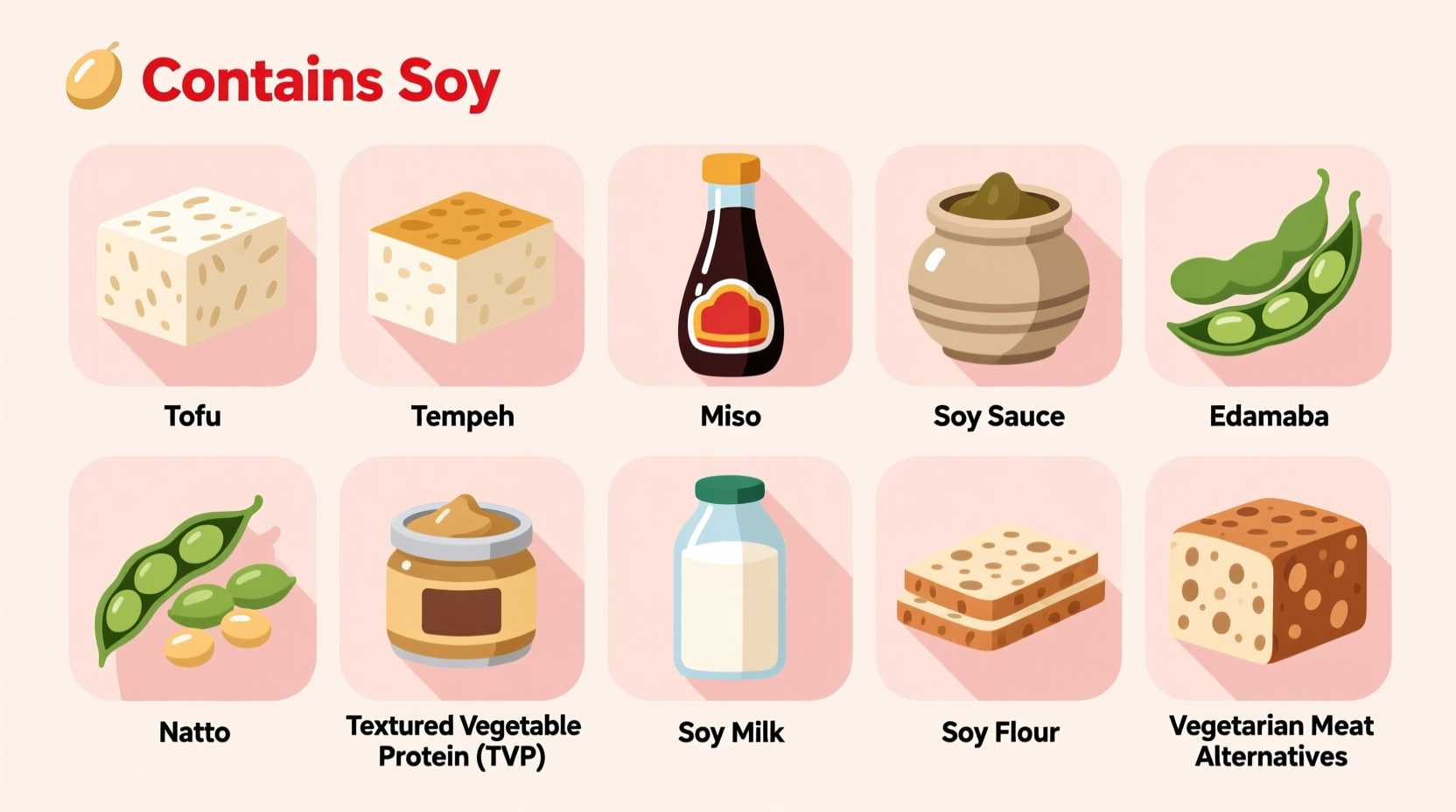
No surprises here – these contain whole soybeans:
- Tofu, tempeh, edamame
- Soy milk and yogurt
- Miso paste and soy sauce
- Natto (fermented soybeans)
But here’s where it gets tricky…
Hidden Soy Hotspots: Where You’d Never Expect It
Last month, a client almost had an allergic reaction from ‘soy-free’ chicken broth. Turns out, ‘natural flavors’ hid soy. Yep, soy infiltrates foods you’d never suspect. Check this breakdown:
| Common Soy Derivative | Found In | Why It’s Used |
|---|---|---|
| Soy lecithin | Chocolate, mayo, baked goods | Prevents clumping (in 90% of commercial chocolate!) |
| Textured Vegetable Protein (TVP) | Veggie burgers, chili, ‘meatless’ crumbles | Cheap protein filler |
| Hydrolyzed Soy Protein | Soups, gravy mixes, instant noodles | Boosts umami flavor |
| Soybean Oil | Most fried foods, salad dressings | High smoke point + low cost |
Pro tip: That ‘vegetable oil’ in your chips? 80% chance it’s soybean oil. And ‘broth’ in packaged foods? Often soy-based. Always check labels – don’t assume.
When to Slam the Brakes on Soy
Not all soy avoidance is equal. Here’s my field-tested guidance:
🚫 Must Avoid (Non-Negotiable)
- Soy allergy: Even trace amounts can trigger anaphylaxis. Cross-contamination in facilities is a real risk – look for ‘may contain soy’ warnings.
- Thyroid medication: Soy can block absorption. Space meds 4+ hours apart from soy foods.
⚠️ Context Matters (Discuss with Your Doctor)
- Hormone-sensitive conditions: If you have breast cancer history, limit processed soy (like protein bars). Whole soy foods (tofu, edamame) are generally safe in moderation.
- Infant formula: Soy-based formulas are safe for most babies, but not for premature infants or those with soy allergies.
I’ve seen clients unnecessarily avoid edamame over fear of ‘estrogen effects’ – but whole soy foods don’t behave like processed isolates. Know the difference!
Avoiding Soy: Real-World Hacks That Work
After helping thousands navigate soy restrictions, these strategies actually stick:
- Cook from scratch: Make your own broth and sauces. A simple miso substitute? Blend nutritional yeast with mushroom powder.
- Decode ‘natural flavors’: In the US, this can contain soy. Contact brands directly if allergic – many disclose hidden sources.
- Asian cuisine red flags: ‘Vegan’ sushi often uses soy-based mock crab. Ask for tamari (wheat-free soy sauce) only if you tolerate soy.
Warning: ‘Soy-free’ labels aren’t regulated. I’ve found soy in products claiming ‘soy-free’ due to shared equipment. Always verify ingredients.
Everything You Need to Know
In the US and Canada, yes – about 80% of ‘vegetable oil’ is soybean oil. Check the ingredient list for specifics. In Europe, it’s often rapeseed or sunflower oil, but soy is still common. When in doubt, contact the manufacturer.
Often yes – soy lecithin contains minimal protein, the allergen trigger. Studies show 90% of soy-allergic people tolerate it in small amounts (like in chocolate). But always consult your allergist first – severe allergy cases may still react.
Traditional soy sauce is soy-based, but coconut aminos and tamari (though tamari still contains soy) are alternatives. Watch for ‘wheat-free soy sauce’ – it’s still soy-heavy. For true soy-free, choose liquid aminos made from non-soy sources.
Plain eggs don’t contain soy, but commercial egg products (like liquid eggs) often add soybean oil as a stabilizer. Chickens fed soy-based feed do pass traces into eggs, but levels are too low to affect most allergic people. If highly sensitive, seek soy-free certified eggs.
For soy lecithin: use sunflower lecithin (1:1 swap). For soy flour: try chickpea flour or almond flour. In veggie burgers, swap TVP with mushrooms or lentils. Pro tip: Flax eggs work better than soy-based binders for most recipes.




 浙公网安备
33010002000092号
 浙B2-20120091-4