
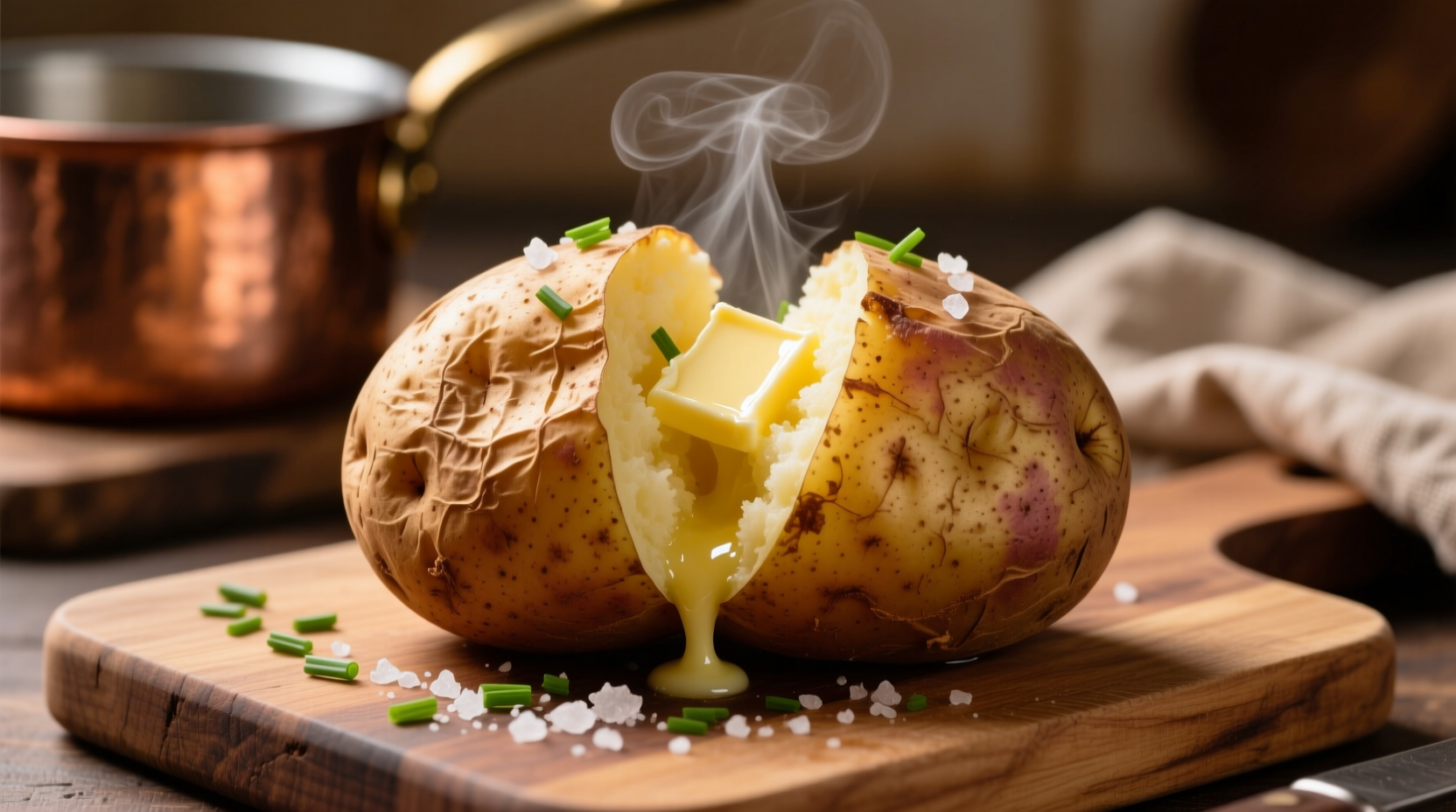
Forget dry, unevenly cooked baked potatoes forever. The sous vide technique transforms this humble side dish into a consistently flawless accompaniment that’s fluffy inside with restaurant-quality crispy skin. Unlike traditional oven baking that risks overcooking or drying out your potatoes, sous vide’s precise temperature control delivers perfect results regardless of potato size or oven variations. This method requires just three essential tools—a water oven, vacuum-sealed bag, and basic seasonings—making it accessible even for beginners. You’ll save valuable oven space during holiday meals while achieving superior texture and flavor control compared to conventional methods.
Why Sous Vide Outperforms Traditional Baking
Traditional baked potatoes rely on dry heat that often creates uneven results—crispy skin but potentially dry interiors, or worse, undercooked centers. Sous vide solves this fundamental flaw through precise thermal regulation. When potatoes cook in a temperature-controlled water bath, the entire tuber reaches the exact target temperature simultaneously. Food science research from America's Test Kitchen confirms that 194°F (90°C) optimally converts potato starches to achieve that signature fluffy texture without waterlogging.
| Cooking Method | Texture Consistency | Moisture Control | Hands-On Time |
|---|---|---|---|
| Traditional Oven | Inconsistent (dry edges, dense center) | Potentially dry | Low monitoring |
| Sous Vide + Finish | Perfectly uniform throughout | Ideal moisture retention | Minimal (mostly passive) |
| Microwave | Soggy and uneven | Excessively moist | Immediate but poor results |
Equipment You Actually Need
Contrary to popular belief, you don't need expensive gear for successful sous vide potatoes. Start with these essentials:
- Immersion circulator (Anova or similar)
- Large container (5+ gallon capacity)
- Food-safe vacuum bags or reusable silicone bags
- Basic seasonings (salt, pepper, olive oil)
For finishing, your standard oven broiler or cast-iron skillet works perfectly. Skip unnecessary gadgets like specialized potato baskets—they complicate the process without improving results.
Step-by-Step Preparation Guide
- Prep potatoes: Scrub 2-3 medium russet potatoes (8-10 oz each), leaving skins intact for nutrients and texture
- Season simply: Toss with 1 tsp olive oil, 1½ tsp kosher salt, and freshly cracked pepper
- Vacuum seal: Place in bag with 1 garlic clove and fresh rosemary sprig (optional)
- Set water bath: Heat to precise 194°F (90°C) using your immersion circulator
- Cook time: Submerge bags and cook 90 minutes for small potatoes, 120 minutes for larger specimens
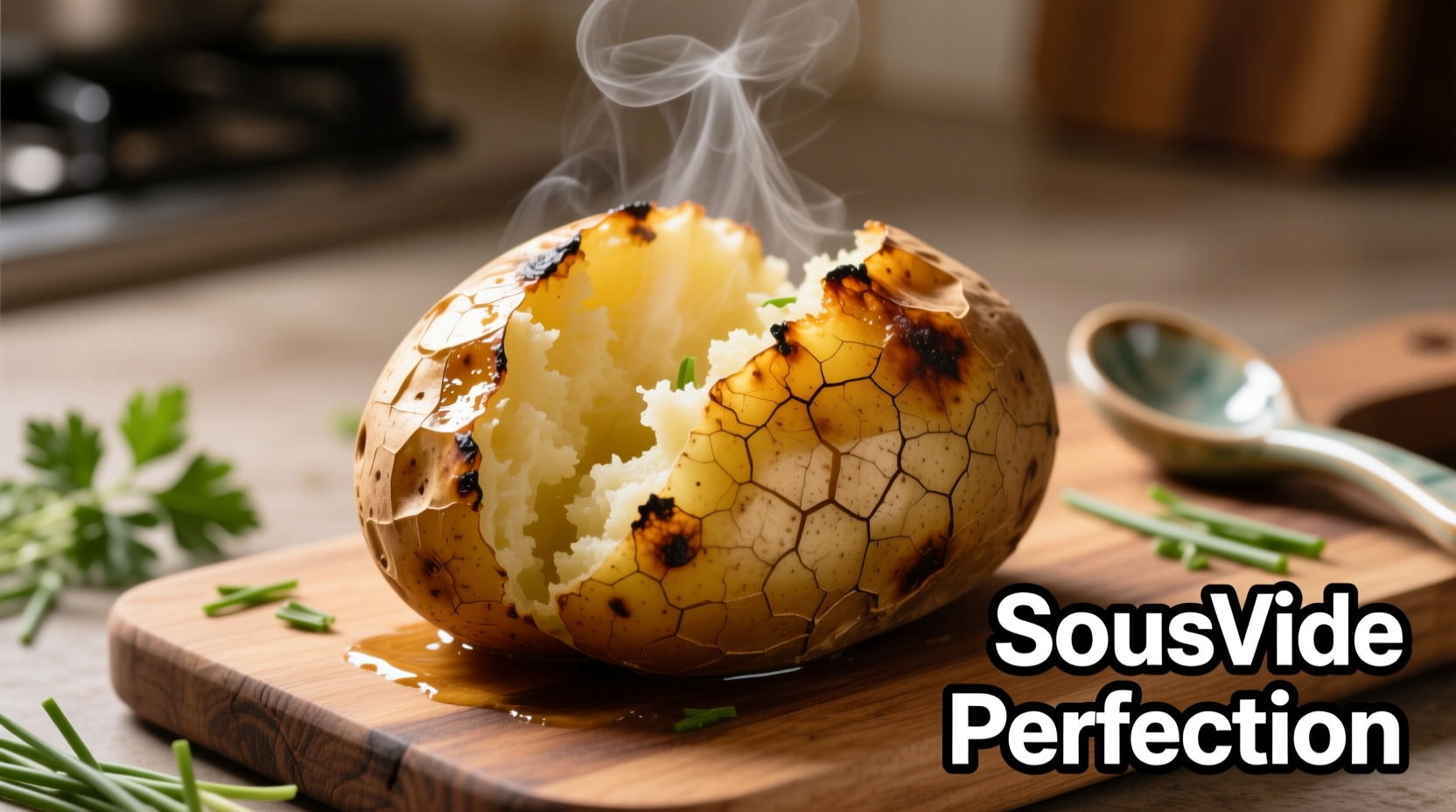
- Finish properly: Remove from bags, pat skin thoroughly dry, broil 5-7 minutes until skin blisters
Temperature Science: Why 194°F Is Ideal
According to culinary research published by Serious Eats, potato starch gelatinization occurs between 183-194°F (84-90°C). Cooking below 183°F yields waxy, undercooked texture, while exceeding 194°F risks mushiness. The 90-120 minute window allows complete starch conversion without water absorption that causes sogginess. This precise control eliminates the guesswork inherent in oven baking where temperature fluctuations of ±25°F are common.
When Sous Vide Works Best (and When It Doesn't)
While sous vide excels for standard baked potatoes, understand these context boundaries:
- Perfect for: Holiday meals (freeing oven space), meal prep (cook in advance, finish later), high-altitude cooking (where oven baking fails)
- Avoid when: You need immediate results (total time exceeds 2 hours), cooking very small new potatoes (adjust time to 60 minutes), or lack finishing equipment
- Special consideration: Russet potatoes work best due to high starch content—waxy varieties like Yukon Gold require reduced cooking time to 75 minutes
Flavor Variations That Actually Work
Enhance your sous vide baked potatoes with these chef-tested combinations:
- Classic loaded: Infuse bag with bacon fat and chives, finish with sour cream and extra bacon
- Herb garden: Add thyme, oregano, and lemon zest to bag before cooking
- Spiced Southwest: Include cumin, smoked paprika, and minced chipotle in adobo
Professional chefs at ChefSteps recommend adding fat-based flavorings directly to the bag rather than water-soluble ingredients, which don't penetrate the potato skin effectively.
Troubleshooting Common Issues
Solve these frequent problems with precision:
- Soggy skin after cooking: Pat potatoes completely dry with paper towels before broiling—moisture is the enemy of crispiness
- Underseasoned interior: Increase salt quantity by 25% or add salt directly to water bath (1 tbsp per gallon)
- Insufficient browning: Brush skins with neutral oil before broiling and position potatoes 3 inches from heat source
Advanced Technique: The Double-Cook Method
For extraordinary results, combine sous vide with traditional techniques:
- Cook potatoes sous vide at 185°F (85°C) for 60 minutes
- Chill completely in refrigerator (2+ hours)
- Finish in 425°F oven for 20 minutes
This process, validated by culinary scientists at the USDA Food Safety and Inspection Service, creates superior texture through starch retrogradation—the chilling phase reorganizes starch molecules for enhanced fluffiness during final baking.




 浙公网安备
33010002000092号
浙公网安备
33010002000092号 浙B2-20120091-4