
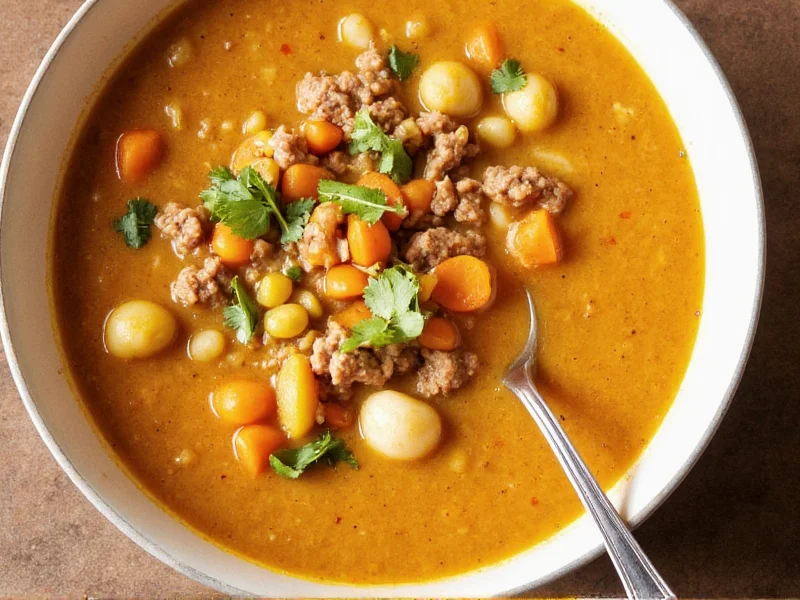
Ground beef transforms ordinary soups into satisfying, protein-packed meals that warm you from the inside out. This versatile ingredient works beautifully in numerous soup varieties, from traditional American chili to Italian-inspired wedding soup. When properly cooked, ground beef adds richness and depth that elevates simple broth-based recipes into complete meals.
Why Ground Beef Works Well in Soups
Ground beef serves as an excellent foundation for soups due to its rich flavor profile and ability to absorb seasonings. The fat content in 80/20 ground beef renders during cooking, creating a flavorful base that enhances the entire dish. Unlike larger cuts of meat, ground beef cooks quickly and distributes evenly throughout the soup, ensuring every spoonful contains protein.
From a nutritional standpoint, ground beef provides complete protein, iron, and B vitamins. When incorporated into vegetable-heavy soups, it creates balanced meals that satisfy hunger longer than broth-only options. For those watching fat intake, leaner 90/10 ground beef works well in most soup recipes without sacrificing too much flavor.
Essential Techniques for Perfect Ground Beef Soups
The key to exceptional ground beef soups starts with proper meat preparation. Always brown your ground beef thoroughly in a hot pot before adding liquids. This Maillard reaction creates complex flavors that simmering alone cannot achieve. Drain excess fat if using higher fat content beef, but retain some for flavor.
Season your meat well during browning—this is your best opportunity to build flavor layers. Add dried herbs like oregano, thyme, or chili powder directly to the meat as it cooks. For deeper flavor, deglaze the pot with a splash of broth or wine after browning to lift those flavorful browned bits from the bottom.
| Soup Type | Best Beef Fat Ratio | Cooking Time | Flavor Profile |
|---|---|---|---|
| Classic Chili | 80/20 | 45-60 minutes | Spicy, smoky, rich |
| Italian Wedding Soup | 85/15 | 30-40 minutes | Herbaceous, light, savory |
| Beef Vegetable Soup | 90/10 | 40-50 minutes | Hearty, clean, balanced |
| Minestrone | 85/15 | 50-60 minutes | Robust, tomato-forward |
Three Classic Ground Beef Soup Recipes
1. Hearty Beef Vegetable Soup
This easy ground beef soup recipe creates a nourishing meal perfect for chilly evenings. Start by browning 1 pound of 85/15 ground beef in a large pot. Add 1 diced onion, 2 minced garlic cloves, and cook until softened. Stir in 6 cups beef broth, 2 diced carrots, 2 diced celery stalks, 1 cup diced potatoes, and 1 cup chopped green beans. Bring to a simmer and cook for 30 minutes. Add 1 cup diced tomatoes and 1 cup small pasta shapes, cooking until pasta is tender. Season with salt, pepper, and 1 teaspoon Italian seasoning.
2. Authentic Italian Wedding Soup
Despite its name, this traditional soup has nothing to do with weddings—it refers to the "marriage" of ingredients. Brown 1 pound lean ground beef with ½ cup finely chopped onions. In a separate bowl, mix the cooked beef with ½ cup breadcrumbs, 1 beaten egg, 2 tablespoons grated Parmesan, and ¼ cup chopped fresh parsley. Form into tiny meatballs. In a large pot, heat 8 cups chicken broth with 1 cup chopped escarole or spinach. Bring to a gentle simmer and carefully add meatballs. Cook for 15-20 minutes until meatballs are cooked through. Finish with lemon juice to brighten the flavors.
3. Simple Weeknight Chili
This quick ground beef soup variation makes an excellent weeknight dinner. Brown 1½ pounds ground beef with 1 diced onion and 1 diced bell pepper. Drain excess fat, then stir in 2 (15-ounce) cans kidney beans (drained), 1 (28-ounce) can crushed tomatoes, 1 cup beef broth, 2 tablespoons chili powder, 1 teaspoon cumin, and ½ teaspoon smoked paprika. Simmer for 30 minutes to allow flavors to meld. Top with shredded cheese, sour cream, and green onions when serving.
Customization and Meal Prep Tips
Ground beef soups offer incredible flexibility for dietary preferences and available ingredients. For low-carb options, replace potatoes and pasta with extra vegetables like zucchini or cauliflower. To make ground beef soup for meal prep, prepare the base recipe without delicate ingredients like pasta or greens, which can become mushy when reheated. Store portions in airtight containers for up to four days or freeze for longer storage.
When reheating ground beef soup, do so gently over medium-low heat to prevent the meat from becoming tough. Add a splash of broth if the soup has thickened too much during storage. For enhanced flavor in leftovers, consider adding fresh herbs or a squeeze of citrus just before serving.
Avoiding Common Ground Beef Soup Mistakes
Many home cooks make the mistake of adding ground beef directly to cold broth without browning, resulting in bland, greasy soup. Always take time to properly brown the meat first. Another common error involves overcooking vegetables—add delicate vegetables like peas or spinach during the last 5-10 minutes of cooking to maintain their texture and color.
Seasoning at multiple stages creates the most flavorful results. Season the meat while browning, adjust salt levels after adding broth, and finish with fresh herbs or acid (like lemon juice or vinegar) before serving. Remember that flavors concentrate as soup simmers, so under-season slightly at first and adjust near the end of cooking.
Nutritional Benefits of Ground Beef Soups
Well-constructed ground beef soups deliver balanced nutrition in a single bowl. The protein from beef helps maintain muscle mass and keeps you feeling full. When combined with vegetables, these soups provide fiber, vitamins, and minerals. For heart-healthy versions, choose lean ground beef and load up on colorful vegetables. One serving of a typical ground beef vegetable soup contains approximately 250-350 calories, 18-25 grams of protein, and multiple servings of vegetables.




 浙公网安备
33010002000092号
浙公网安备
33010002000092号 浙B2-20120091-4