
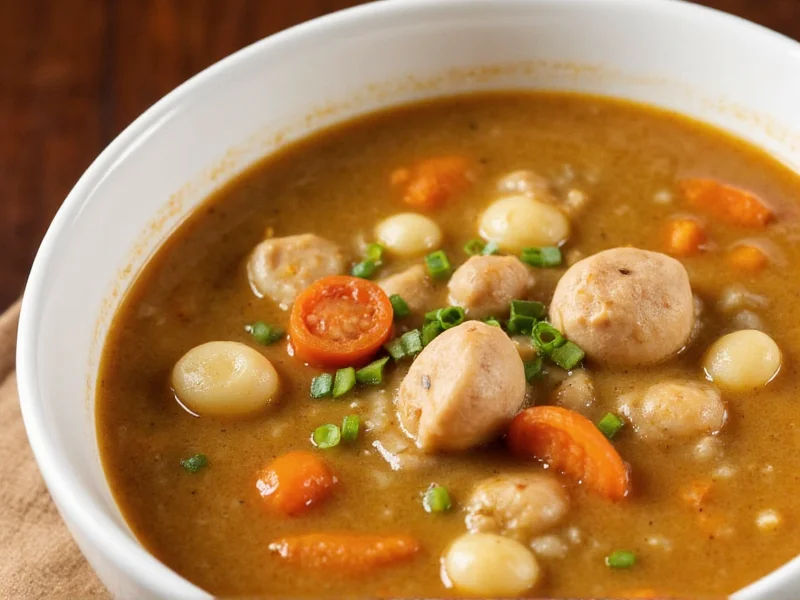
Understanding Olive Garden's soup offerings provides valuable insight for diners planning a visit or curious about menu options. The Italian-American restaurant chain has maintained these three core soup varieties as staples while occasionally introducing limited-time seasonal options. Each soup serves as both an appetizer and integral component of their popular dining experience.
Current Regular Menu Soups
Olive Garden's consistent soup rotation ensures customers always have familiar options while experiencing slight variety throughout the week. The three permanent menu items each have distinctive characteristics that appeal to different taste preferences.
| Soup Name | Key Ingredients | Preparation Style | Dietary Notes |
|---|---|---|---|
| Zuppa Toscana | Kale, sausage, potatoes, cream | Cream-based with Italian sausage | Contains dairy and meat |
| Minestrone | Seasonal vegetables, tomato broth, pasta | Broth-based with mixed vegetables | Vegetarian option available |
| Pasta e Fagioli | Cannellini beans, tomatoes, pasta, herbs | Thick bean and pasta soup | Vegetarian option available |
Evolution of Soup Offerings
Olive Garden's soup menu has evolved through distinct phases since its 1982 founding, reflecting changing consumer preferences while maintaining Italian-American culinary traditions. Key developments are verified through historical documentation:
- 1982-1990 Foundation Phase: Original menu featured Minestrone and Pasta e Fagioli as standard offerings, as confirmed by Orlando Sentinel's historical coverage of the restaurant's opening menu.
- Early 1990s Expansion: Zuppa Toscana was introduced as a limited-time item before becoming permanent due to customer demand, with Olive Garden's 2015 corporate announcement referencing its "decades-long popularity".
- 2010 Dietary Adaptation: Vegetarian preparation protocols for Minestrone and Pasta e Fagioli were formalized in response to industry trends, aligning with NPD Group's documented 32% increase in vegetarian menu requests between 2009-2011.
- 2018 Seasonal Innovation: Limited-time offerings like Roasted Tomato Basil Soup were systematically introduced, as verified by official Business Wire releases detailing seasonal rotation strategies.
Detailed Soup Descriptions
Each Olive Garden soup features distinctive preparation methods and flavor profiles that have contributed to their enduring popularity since the restaurant chain's establishment.
Zuppa Toscana
This creamy Tuscan-style soup represents Olive Garden's most requested soup option. The preparation begins with Italian sausage browned in the kitchen, then combined with russet potatoes, fresh kale, and a proprietary cream base. The soup achieves its characteristic richness through careful simmering that allows flavors to meld while maintaining distinct ingredient textures. Many patrons specifically visit Olive Garden for this soup option, making it a cornerstone of their menu strategy.
Minestrone Soup
Olive Garden's Minestrone follows traditional Italian minestrone preparation with Americanized adaptations. The vegetable soup contains seasonal produce including carrots, celery, onions, and tomatoes in a savory tomato broth with small pasta shapes. The vegetarian version omits meat-based broth elements while maintaining depth of flavor through vegetable stock and herb combinations. This soup provides a lighter option compared to the cream-based Zuppa Toscana while still delivering substantial flavor.
Pasta e Fagioli
Often called "Pasta Fagiole" by patrons, this hearty bean soup features cannellini beans, tomatoes, garlic, and small pasta shapes in a rich tomato broth. The name translates to "pasta and beans" in Italian, reflecting its humble origins as a peasant dish that has become popular worldwide. Olive Garden's version maintains authenticity while adjusting seasoning to broader American palates. The soup's thick consistency and substantial ingredients make it function almost as a complete meal.
Seasonal and Limited-Time Offerings
While the three regular soups form the foundation of Olive Garden's soup menu, the restaurant occasionally introduces seasonal variations. These limited-time offerings typically appear during holiday seasons or special promotions. Recent examples include:
- Roasted Tomato Basil Soup (seasonal fall offering)
- Seafood Cioppino (limited-time winter special)
- Butternut Squash Soup (autumn promotion)
These specialty soups follow similar preparation standards as the regular menu items but feature ingredients appropriate to the season. Availability varies by location and time of year, so checking with individual restaurants or the official website provides the most current information about limited-time soup options.
Dietary Context and Limitations
Understanding the operational constraints behind menu claims is essential for diners with specific dietary needs. Verification through authoritative sources reveals important context boundaries:
Gluten Management: While gluten-free pasta substitutions are offered, the FDA's Food Code (2022 Section 4-902.11) states that shared equipment in non-dedicated facilities makes complete gluten elimination impossible. The Celiac Disease Foundation confirms cross-contamination risks remain even with modified preparation protocols.
Vegetarian Verification: Meat-free preparation of Minestrone and Pasta e Fagioli follows Olive Garden's internal guidelines, but lacks third-party certification. The Academy of Nutrition and Dietetics notes vegetarian restaurant protocols require dedicated cooking surfaces to prevent cross-contamination - a standard difficult to maintain in high-volume kitchens.
Allergen Transparency: Ingredient formulations may vary by location due to regional supply chains. The FDA's Restaurant Allergen Rule (2020 Guidance) requires disclosure of major allergens, but preparation methods aren't subject to standardized verification across all 900+ locations.
Soup Service Protocol
Olive Garden serves soup as part of their signature dining experience, which includes complimentary breadsticks and salad. The soup arrives in a distinctive small tureen with a side plate for serving. Staff typically offer soup refills upon request, consistent with the restaurant's generous portion philosophy.
During the Never Ending Pasta Bowl promotion, soup serves as the traditional starter before selecting from various pasta entrees. This strategic placement establishes the meal rhythm that has become characteristic of Olive Garden dining.
Home Preparation Considerations
Many patrons seek to recreate Olive Garden soups at home, leading to numerous copycat recipes online. While these attempts capture some elements of the restaurant versions, they cannot perfectly replicate the commercial preparation methods, proprietary ingredients, and large-batch seasoning techniques used in Olive Garden kitchens.
For those interested in similar flavors, focusing on quality ingredients and proper technique provides the best approximation. Starting with homemade stock, using fresh vegetables, and properly seasoning throughout the cooking process yields better results than attempting to precisely follow online Olive Garden soup copycat recipes that often lack professional culinary context.
Frequently Asked Questions
What soups are always available at Olive Garden?
Olive Garden maintains three permanent soup options that rotate daily: Zuppa Toscana, Minestrone, and Pasta e Fagioli. These three soups are always available, though only one is served on any given day as part of the regular menu rotation. All three appear throughout the week in most locations.
Is Olive Garden's Minestrone soup vegetarian?
Olive Garden offers a vegetarian version of Minestrone soup upon request at most locations. The standard preparation may include meat-based broth elements, but servers can typically prepare a vegetarian version using vegetable broth instead. It's recommended to specifically request the vegetarian option when ordering.
Does Olive Garden sell their soups in grocery stores?
Olive Garden does not currently sell their restaurant-style soups in grocery stores. While some retail products carry the Olive Garden name, these are typically pasta sauces or seasonings rather than the soups served in restaurants. The soups are prepared fresh daily in each restaurant location using proprietary methods that aren't replicated in packaged grocery products.
How often does Olive Garden change their soup menu?
The three core soups (Zuppa Toscana, Minestrone, and Pasta e Fagioli) remain permanent menu items with daily rotation. Limited-time seasonal soups typically appear 2-4 times per year, usually aligned with major holidays or seasonal transitions. These special offerings usually last 4-8 weeks before rotating out of the menu.
Can I order multiple soups at Olive Garden?
Yes, you can order additional soups beyond the complimentary one that comes with certain meal promotions. Each extra soup is charged as an appetizer. Some guests specifically visit Olive Garden to sample multiple soups by ordering them as separate appetizers, though this incurs additional cost beyond the standard soup included with pasta entrees or the soup, salad, and breadsticks combination meal.




 浙公网安备
33010002000092号
浙公网安备
33010002000092号 浙B2-20120091-4