
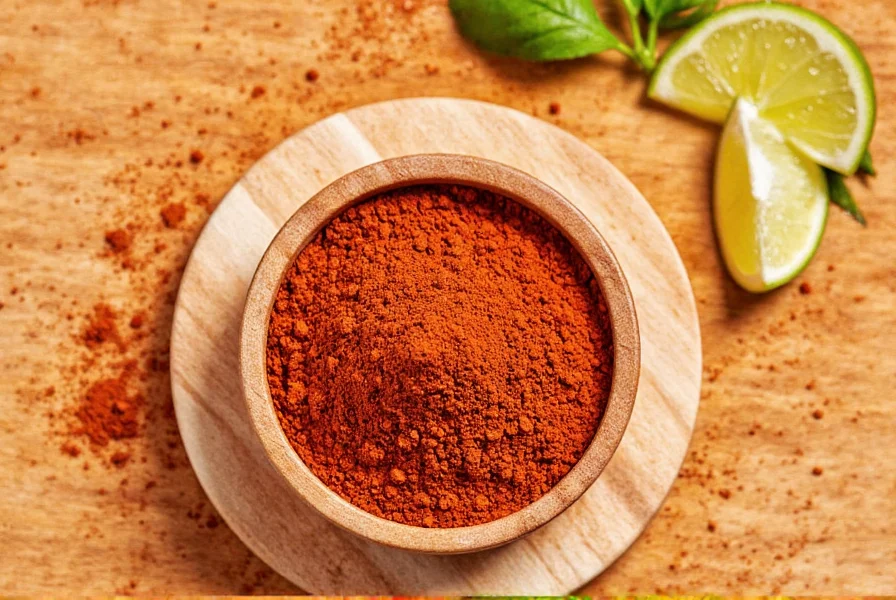
What Is Sofrito Spice?
If you've ever walked into a kitchen where Latin or Mediterranean food is being made and felt like you were hit with a flavor bomb—there's a good chance that sofrito spice was involved.
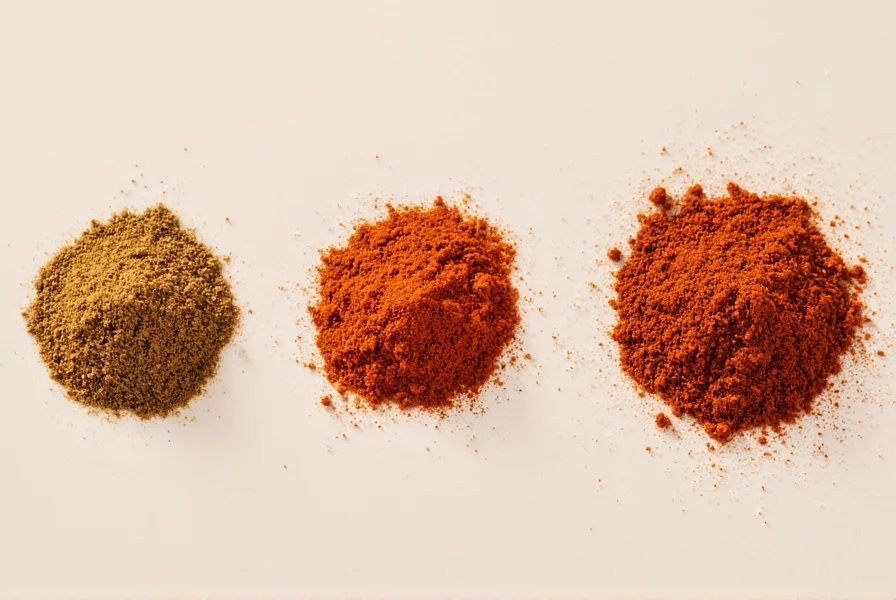
Sofrito isn't just one spice—it's a magical base made from aromatic vegetables, herbs, and spices sautéed together to form the flavor foundation of countless dishes. In many Caribbean, Spanish, and Latin American cuisines, sofrito is king.
Traditionally, it includes ingredients like onions, garlic, bell peppers, tomatoes, and herbs like cilantro or culantro. These are blended into a paste or mixture and cooked low and slow to unlock deep, savory flavors.
Why You Should Be Using Sofrito Spice
You might be wondering, "Can't I just use fresh veggies and spices separately?" Well, yes—but hear us out:
- Time-saving: Pre-made sofrito paste saves time without sacrificing flavor.
- Flavor depth: The slow-cooked blend gives a complexity you won't get from raw ingredients.
- Versatility: It can be used in soups, stews, rice, beans, meats, and even sauces!
Whether you're cooking arroz con pollo, gumbo, or even spaghetti sauce, adding sofrito takes your dish from "meh" to "WOW."
How to Use Sofrito Spice in Everyday Cooking
Here's how you can start integrating sofrito spice into your meals:
- Start small: A little goes a long way! Begin with a tablespoon and adjust as needed.
- Add early: Toss it in at the beginning of cooking so the flavors can infuse everything else.
- Mix it up: Combine sofrito with oil before adding to your pot to bloom the flavors better.
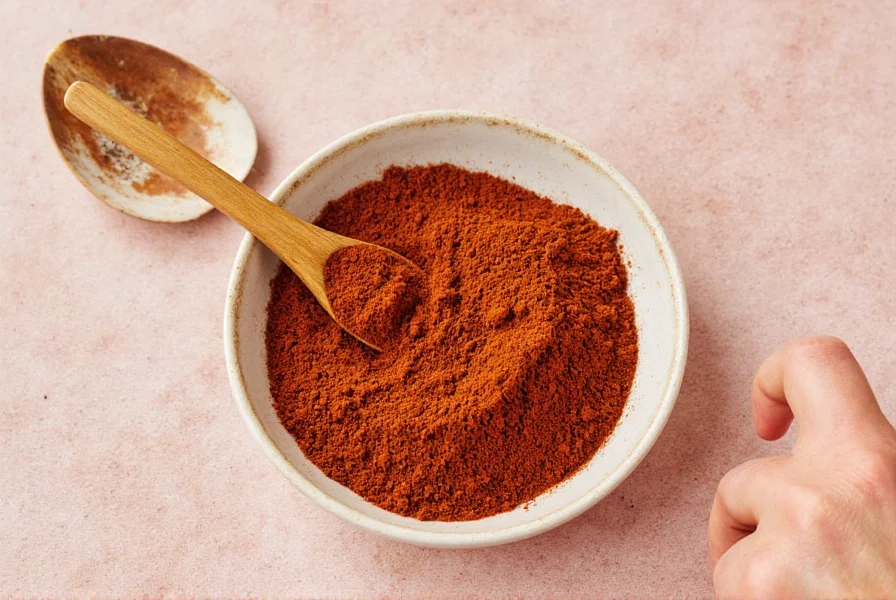
Don't limit yourself to traditional recipes—try adding a spoonful to scrambled eggs, burgers, or even mac 'n cheese!
Sofrito Spice vs. Other Base Flavors
To appreciate sofrito fully, let's compare it to other culinary bases:
| Base | Main Ingredients | Cuisine | Best For |
|---|---|---|---|
| Sofrito | Onion, garlic, peppers, tomatoes, herbs | Latin, Caribbean, Mediterranean | Rice, stews, soups |
| Mirepoix | Onion, carrots, celery | French | Braises, stocks |
| Trinity | Onion, bell pepper, celery | Cajun / Creole | Gumbo, jambalaya |
| Shallot-Garlic-Oil | Shallots, garlic, oil | Asian | Noodles, stir-fries |
While mirepoix and trinity focus more on texture and structure, sofrito brings serious flavor fireworks to the party!
Buying Guide: Choosing the Best Sofrito Spice
Now that you're convinced, here's how to choose the right sofrito for your needs:
Types of Sofrito Available
- Store-bought paste: Ready-to-use jars found in supermarkets or Latin markets.
- Frozen cubes: Pre-portioned and great for quick meals.
- Dry sofrito powder: Shelf-stable but may lack some freshness.
- Homemade: Customize the flavor exactly to your liking.
Top Products to Try
| Product Name | Ingredients | Pros | Cons | Best For |
|---|---|---|---|---|
| Goya Sofrito | Tomatoes, green peppers, onion, garlic, herbs | Popular brand, widely available | A bit sweet due to added tomato puree | Beginners, everyday cooking |
| Patel Brothers Homemade Style | Customizable mix, no preservatives | All-natural, customizable heat | Harder to find outside Indian grocery stores | Exotic dishes, gourmet meals |
| La Costeña Sofrito Cubes | Pre-mixed frozen cubes | Portion-controlled, easy to store | More expensive than jarred versions | Meal prep, family dinners |
| El Mexicano Dry Sofrito Powder | Dried vegetable blend, chili | Long shelf life, travel-friendly | Less moist flavor profile | Camping trips, emergency kits |
5 Game-Changing Tips for Using Sofrito Spice
Ready to take your sofrito game to the next level? Here are five pro tips you'll wish you knew earlier:
-
Toast It Before Adding
Give your sofrito a minute in hot oil before adding liquid. This blooming step enhances its aroma and richness.
-
Freeze It for Future Use
Make a big batch of homemade sofrito and freeze it in ice cube trays. Pull out a cube whenever you need instant flavor magic!
-
Upgrade Your Rice Dishes
Add a spoonful when cooking rice. It turns basic white rice into fragrant, flavorful sides like yellow rice or arroz verde.
-
Blend With Coconut Milk
In Caribbean curries or stews, mixing sofrito with coconut milk adds an incredible depth of flavor and creaminess.
-
Use It as a Marinade Base
Combine sofrito with citrus juice or vinegar, salt, and oil for a marinade that tenderizes and seasons meat or fish beautifully.
Frequently Asked Questions About Sofrito Spice
What exactly is sofrito spice?
Sofrito isn't a single spice but rather a flavor base made from aromatic vegetables, herbs, and spices. It typically includes onions, garlic, bell peppers, tomatoes, and herbs like cilantro or culantro that are sautéed together to form a paste. It's the foundation of many Latin, Caribbean, and Mediterranean dishes.
Is sofrito the same as sazón?
No, they're different. Sofrito is a wet base made from fresh ingredients, while sazón is a dry seasoning blend that often contains coriander, cumin, garlic powder, and annatto. Some commercial sofrito products may contain sazón, but traditionally they're distinct elements in Latin cooking.
How long does homemade sofrito last?
Homemade sofrito will keep for about 1 week in the refrigerator when stored in an airtight container. For longer storage, freeze it in ice cube trays then transfer the frozen cubes to a freezer bag - it will keep for up to 6 months.
Can I make sofrito without tomatoes?
Yes! Puerto Rican sofrito typically doesn't include tomatoes, while Spanish and Cuban versions often do. If you're avoiding tomatoes for dietary reasons, you can still make a delicious sofrito with just onions, garlic, bell peppers, and herbs. The color will be greener and the flavor profile slightly different.
What can I use if I don't have sofrito?
If you don't have sofrito, you can create a quick substitute by finely chopping equal parts onion, bell pepper, and garlic, then sautéing them in oil until softened. For extra flavor, add fresh cilantro or culantro. While not exactly the same, this fresh mixture will provide similar aromatic base notes.
Is sofrito gluten-free?
Traditional homemade sofrito is naturally gluten-free as it contains only vegetables, herbs, and oil. However, some store-bought versions may contain additives or be processed in facilities with gluten. Always check labels if you have celiac disease or gluten sensitivity.
Can I use sofrito in non-Latin dishes?
Absolutely! While sofrito originates from Latin and Mediterranean cuisines, its flavor profile works well in many types of dishes. Try adding a spoonful to spaghetti sauce, chili, soups, or even scrambled eggs for an instant flavor boost. The aromatic vegetables and herbs complement most savory dishes.
Final Thoughts
Sofrito spice isn't just another ingredient—it's the soul of many beloved dishes across cultures. Whether you're a seasoned chef or a home cook looking to add more flair to your meals, sofrito is your go-to flavor booster.
From saving time to elevating your cooking, there's no reason not to have a jar (or a few) of sofrito in your kitchen. So go ahead—embrace the bold, aromatic power of sofrito spice and watch your meals come alive!




 浙公网安备
33010002000092号
浙公网安备
33010002000092号 浙B2-20120091-4