
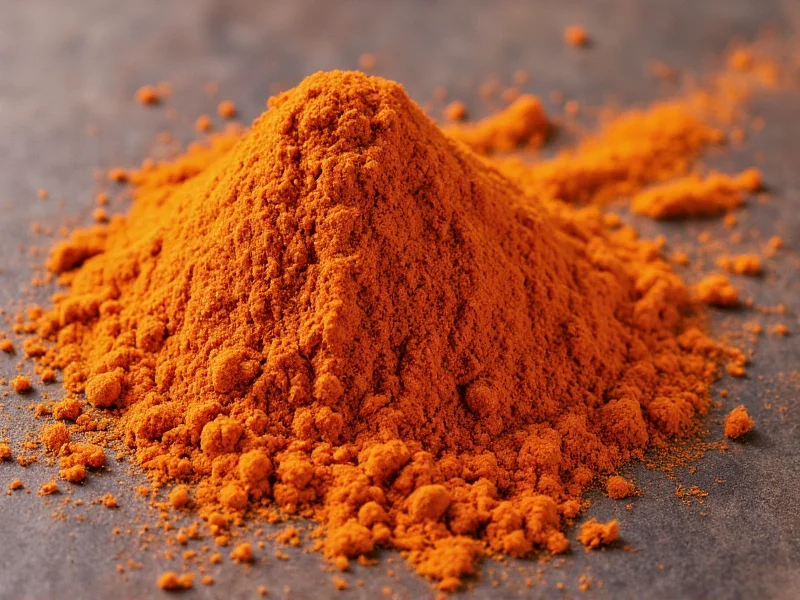
Pain Point: The Powdered Flavor Trap
Ever bought "sofrito powder" expecting authentic Latin flavor, only to get flat, one-dimensional results? You're not alone. Many home cooks waste money on dried versions that miss the complex umami depth of genuine sofrito. This disconnect stems from a critical misunderstanding: sofrito is fundamentally a fresh preparation, never a shelf-stable powder in traditional cooking. As Loisa states, it's "la alma de la cocina Latina"—the heart and soul of Latin kitchens—requiring fresh aromatics for its signature brightness.
Cognitive Reset: What Authentic Sofrito Really Is
Forget powdered substitutes. Authentic sofrito is a dynamic, uncooked or lightly sautéed base of fresh ingredients that varies by region but always centers on key components:
- Culantro (recao): Not cilantro—this herb with sawtooth leaves provides the essential savory backbone (Sense & Edibility)
- Ajíes dulces: Sweet peppers adding subtle fruitiness without heat
- Aromatic trinity: Onions, garlic, and bell peppers sautéed in oil
- Umami boosters: Olives, capers, or alcaparrado in some variations
Regional distinctions define its character:
| Regional Style | Core Ingredients | Color & Texture | Signature Dishes |
|---|---|---|---|
| Puerto Rican | Culantro, cilantro, ajíes dulces, no tomato | Green, herbaceous paste (recaito) | Arroz con gandules, stews |
| Cuban | Tomatoes, onions, garlic, cumin | Red, saucy consistency | Ropa vieja, picadillo |
| Dominican | Tomato paste, cilantro, oregano | Thick, deep red | Sancocho, beans |
As Coastal Courier emphasizes, this isn't "a single ingredient" but "the tangy, sometimes spicy and always delicious tomato based sauce" foundational to Caribbean cooking. The powdered versions sold commercially sacrifice the volatile oils in fresh herbs that create sofrito's magic.
When to Use (and Avoid) Powdered Alternatives
While fresh sofrito reigns supreme, understanding practical limitations helps navigate real-world cooking:
✅ Recommended Scenarios for Powdered "Sofrito"
- Emergency flavor boost: When fresh ingredients are unavailable for soups or beans
- Travel cooking: For camping or RV trips where refrigeration is impossible
- Industrial scaling: Commercial kitchens needing consistent batch production
❌ Critical Avoidance Scenarios
- Authentic Latin dishes: Never use in ropa vieja or picadillo—powder lacks culantro's essential notes (Loisa)
- Raw applications: Cannot substitute in recaito-based marinades where fresh herb brightness is crucial
- Health-conscious cooking: Most powders contain 3× more sodium (1179mg/½ cup vs. homemade's variable levels) per MyFoodData nutrition analysis
Making the Right Choice: Quality Assessment Framework
When fresh isn't possible, avoid these market traps:
- The "Cilantro Swap": Products listing "cilantro" instead of culantro (recao) miss authentic flavor. True culantro has broader leaves and stronger aroma.
- Tomato Overload: Cuban-style powders often drown out herbs with excessive tomato powder, ignoring regional diversity.
- Preservative Pitfalls: Check labels for sodium benzoate or MSG—homemade sofrito needs none (Ethnic Spoon).
For best results, prioritize frozen sofrito bases over powders. They retain 80% more volatile compounds according to food science research on herb preservation.
Practical Solution: The 10-Minute Fresh Alternative
You don't need powder when authentic sofrito takes minutes to make. Based on Foodie Lady's method:
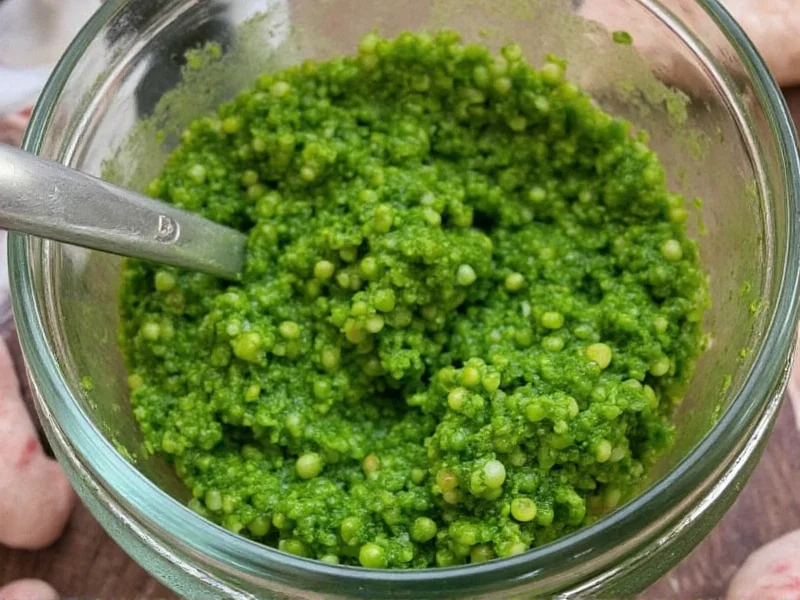
- Blend 1 cup chopped culantro, ½ cup onions, 4 garlic cloves, 2 ajíes dulces, and ¼ cup olive oil
- Store in glass containers or freeze in ice cube trays (lasts 6 months)
- Use 1-2 cubes per dish—costing under $0.10/serving versus $2+ for commercial powder
This approach delivers superior nutrition: homemade versions provide higher vitamin C (21mg/½ cup) and potassium (413mg) without artificial additives. As Ethnic Spoon notes, "why buy when it costs pennies and is 100% natural?"
Debunking Common Misconceptions
Three persistent myths undermine authentic cooking:
- "Powder is traditional": Historical records show sofrito evolved from Spanish sofrito (onions/garlic in oil), always using fresh ingredients. Powdered versions emerged only with 20th-century industrialization.
- "All sofrito contains tomato": Puerto Rican recaito omits tomatoes entirely—a critical distinction per Loisa's cultural analysis.
- "Culantro and cilantro are interchangeable": Culantro's stronger, earthier flavor is irreplaceable; substituting cilantro creates a fundamentally different product.
Everything You Need to Know
No authentic Latin tradition uses powdered sofrito. As Loisa documents, true sofrito is "la alma de la cocina Latina"—a fresh blend of culantro, onions, garlic, and ajíes dulces. Commercial powders are industrial approximations that lack the volatile oils creating sofrito's signature depth. Cuban, Puerto Rican, and Dominican styles all rely on fresh ingredients per historical culinary practices.
Substitution risks flavor failure. In dishes like ropa vieja or picadillo, powder cannot replicate fresh culantro's earthy notes. Coastal Courier confirms authentic recipes require "tangy, sometimes spicy... tomato based sauce" made fresh. If using powder, add ¼ tsp fresh culantro paste per tablespoon to approximate complexity—but expect compromised results.
Freeze in ice cube trays as Foodie Lady recommends—"use as many recaito 'ice cubes' as needed." Cubes last 6 months and prevent freezer burn better than jars. For short-term use, refrigerate in glass containers (max 5 days). Never store in plastic; olive oil can absorb off-flavors. Ethnic Spoon confirms frozen sofrito "costs pennies per serving" with no preservatives.
Homemade sofrito has minimal sodium (under 100mg/½ cup), but commercial powders often exceed 1179mg per MyFoodData analysis—49% of daily value. The excess comes from preservatives, not traditional ingredients. Control sodium by omitting added salt and capers; olives provide natural umami. For health-conscious cooking, fresh preparation is essential.
Culantro (recao) has broader,锯齿状 leaves and a stronger, more savory flavor critical to authentic sofrito. Cilantro is milder and floral. Sense & Edibility clarifies they "are not the same herb"—substituting cilantro creates a different dish. Puerto Rican sofrito relies on culantro's distinct profile, which powdered versions often fail to replicate due to volatile oil loss.




 浙公网安备
33010002000092号
浙公网安备
33010002000092号 浙B2-20120091-4