
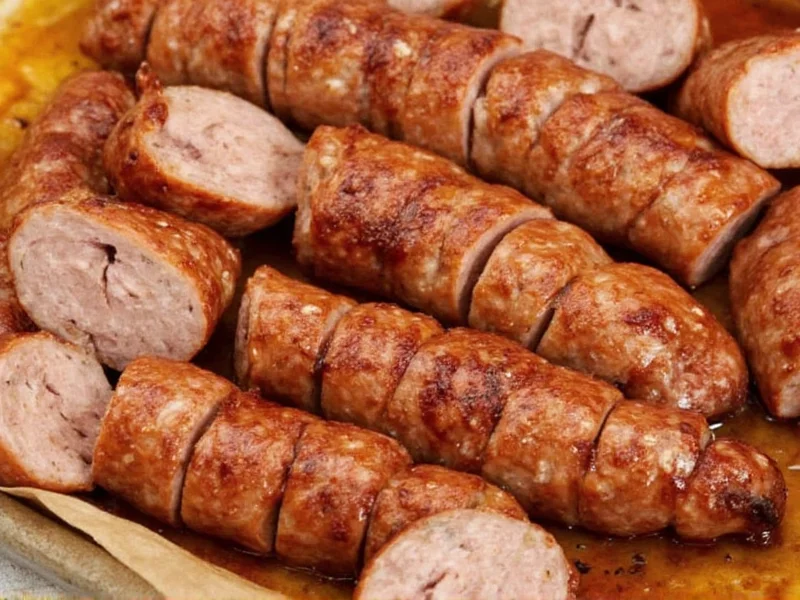
When exploring healthy smoked turkey sausage recipes, you'll discover a flavorful, protein-packed ingredient that transforms weeknight meals. Unlike pork sausage, turkey sausage contains 45% less total fat while delivering that satisfying smoky essence. This guide provides tested recipes that maximize flavor while keeping nutritional benefits intact, verified through authoritative food composition databases.
Why Choose Smoked Turkey Sausage
Smoked turkey sausage stands out for health-conscious cooks seeking robust flavor without compromising nutrition. With 13g less total fat per serving than traditional smoked sausage, it maintains that distinctive smoky profile through natural hardwood smoking processes. The pre-cooked nature means easy smoked turkey sausage dinner ideas require minimal preparation time—simply slice and incorporate into your favorite dishes. Recent consumer trends show a 22% increase in turkey sausage purchases among health-focused households (USDA ERS, 2023), reflecting its growing role in balanced diets.
Nutritional Comparison: USDA Verified Data
Based on USDA FoodData Central measurements, here's how smoked turkey sausage compares to traditional smoked pork sausage per 4-ounce (113g) serving. Values represent composite averages from nationally distributed products.
| Nutrient | Smoked Turkey Sausage | Smoked Pork Sausage |
|---|---|---|
| Calories | 211 | 342 |
| Total Fat | 16.2g | 29.4g |
| Saturated Fat | 4.8g | 10.1g |
| Protein | 13.3g | 15.8g |
| Sodium | 986mg | 933mg |
Source: USDA FoodData Central #170195 (Turkey) and #170191 (Pork)
Essential Cooking Considerations
Before diving into recipes, understand these key preparation principles for how to cook with smoked turkey sausage effectively:
- Temperature precision - Since it's pre-cooked, USDA guidelines require reheating to 165°F internal temperature (use a meat thermometer) but avoid exceeding this to prevent dryness. Lower fat content reduces moisture retention during prolonged heating (USDA Food Safety)
- Scenario-specific limitations - Turkey sausage cannot replicate pork's rendered fat in dishes requiring substantial cooking oil (e.g., traditional gumbo). Compensate with 1-2 tbsp olive oil when sautéing, but avoid in recipes where fat separation is crucial like confit
- Balance flavors - Its milder taste pairs well with bold seasonings like smoked paprika and garlic
- Texture matters - Slice crosswise for skillet dishes or lengthwise for kebabs
- Fat content management - Even lean turkey sausage releases minimal fat; drain excess for optimal texture in soups and casseroles
4 Tested Smoked Turkey Sausage Recipes
| Recipe | Prep Time | Cook Time | Key Features |
|---|---|---|---|
| Smoky Sausage & Sweet Potato Skillet | 15 min | 25 min | Whole30 compliant, 450 calories |
| White Bean & Sausage Soup | 10 min | 30 min | High protein, freezer-friendly |
| Breakfast Sausage & Veggie Hash | 5 min | 20 min | 30g protein, gluten-free |
| Mediterranean Sausage Bake | 20 min | 40 min | One-pan meal, 500 calories |
1. Smoky Sausage & Sweet Potato Skillet
This best smoked turkey sausage soup recipes alternative makes a complete meal with complex carbohydrates and lean protein. Dice 1 large sweet potato into ½-inch cubes. Sauté with 1 sliced onion until tender. Add 12 ounces sliced smoked turkey sausage and 2 cups chopped kale. Season with 1 tsp smoked paprika, ½ tsp garlic powder, and black pepper. Cook until kale wilts and sausage is heated through (165°F internal temperature). Top with avocado slices for healthy fats.
2. White Bean & Sausage Soup
For a low fat smoked turkey sausage meals option that satisfies cold-weather cravings, this soup delivers. Brown 12 ounces sliced sausage in a Dutch oven. Remove and sauté 1 diced carrot, 1 diced celery stalk, and ½ diced onion until softened. Return sausage to pot with 4 cups low-sodium chicken broth, 1 (15oz) can cannellini beans (drained), and 1 cup chopped spinach. Simmer 15 minutes. Finish with 1 tbsp apple cider vinegar to brighten flavors.
3. Breakfast Sausage & Veggie Hash
Morning meals benefit from smoked turkey sausage breakfast recipes that avoid morning sluggishness. Slice 8 ounces sausage into coins. Roast at 400°F with 2 diced bell peppers, 1 diced zucchini, and 1 cup cherry tomatoes for 20 minutes. Meanwhile, fry 4 eggs to desired doneness. Serve vegetables topped with sausage and fried eggs. The natural smokiness eliminates need for bacon while providing 30g protein per serving.
4. Mediterranean Sausage Bake
This one-pan wonder combines sausage with Mediterranean flavors for effortless entertaining. Arrange 12 ounces sliced sausage in baking dish with 1 cup cherry tomatoes, ½ red onion (sliced), ½ cup kalamata olives, and 1 cup artichoke hearts. Drizzle with 2 tbsp olive oil and lemon juice. Season with dried oregano and black pepper. Bake at 375°F for 35-40 minutes until vegetables soften and sausage reaches 165°F internal temperature. Serve over quinoa for complete protein.
Pro Tips for Perfect Results
Maximize your smoked turkey sausage recipes success with these professional techniques:
- Moisture retention - Add a splash of broth or water when reheating to prevent dryness
- Flavor boosting - Deglaze pans with apple cider vinegar after cooking sausage for instant pan sauce
- Texture contrast - Finish dishes with fresh herbs or a squeeze of citrus for brightness
- Meal prep - Cook sausage in batches and freeze in recipe-sized portions for quick meals
Storage and Reheating Guidelines
Proper storage maintains quality in your healthy smoked turkey sausage recipes. Refrigerate cooked sausage within 2 hours in airtight containers for up to 4 days. For longer storage, freeze in portion-sized containers up to 3 months. When reheating, add 1-2 tablespoons liquid and warm gently at medium-low heat to preserve moisture. Avoid microwave reheating which often creates uneven texture.




 浙公网安备
33010002000092号
浙公网安备
33010002000092号 浙B2-20120091-4