
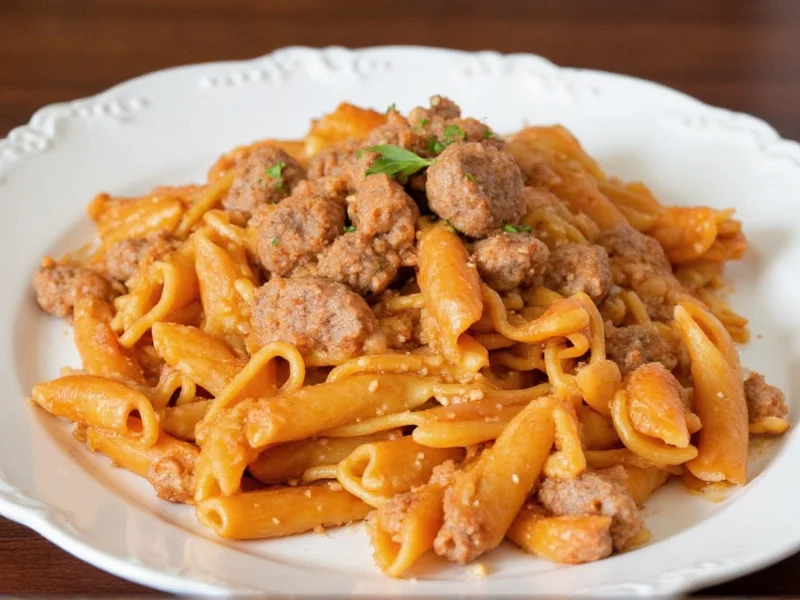
The best smoked sausage pasta recipes combine perfectly cooked pasta with quality smoked sausage, aromatic vegetables, and a flavorful sauce that brings everything together. A typical serving provides nearly half the daily protein requirement for most adults, supporting satiety and muscle health (USDA Dietary Guidelines for Americans, 2020-2025). For optimal results, slice smoked sausage into uniform pieces, sauté until slightly crisp, then combine with al dente pasta, garlic, onions, bell peppers, and your choice of sauce—whether tomato-based, creamy, or spicy Cajun-style. Cook everything together briefly to meld flavors while maintaining texture. This approach creates a satisfying, protein-rich meal ready in under 30 minutes that's perfect for weeknight dinners.
Why Smoked Sausage Makes Perfect Pasta Companions
Smoked sausage brings a distinctive depth of flavor to pasta dishes that few other proteins can match. The natural smokiness cuts through rich sauces while providing savory notes that complement both simple and complex flavor profiles. Unlike fresh sausages, smoked varieties require no pre-cooking, making them ideal for quick weeknight meals. When properly incorporated into pasta dishes, smoked sausage adds protein density while creating a satisfying umami backbone that elevates the entire dish.
Essential Elements of Exceptional Smoked Sausage Pasta
Creating restaurant-quality smoked sausage pasta at home requires attention to several key components. First, select quality smoked sausage—Andouille offers spicy complexity while kielbasa provides milder, garlic-forward notes. Second, balance textures by cooking pasta to al dente perfection and slicing sausage uniformly for even cooking. Third, build flavor layers by sautéing vegetables before combining with pasta. Finally, reserve pasta water to create a silky emulsion that helps sauce adhere to every strand.
Three Tested Smoked Sausage Pasta Recipes
Classic Cajun Smoked Sausage Pasta
This one-pan wonder delivers bold Louisiana flavors with minimal effort. Start by slicing 12 ounces of Andouille sausage into half-moon pieces. Sauté with 1 diced onion, 1 diced bell pepper, and 3 minced garlic cloves until vegetables soften and sausage develops a slight crust. Add 1 can of diced tomatoes with green chilies, 1 teaspoon Cajun seasoning, and ½ cup chicken broth. Simmer 10 minutes while cooking 12 ounces of penne pasta separately. Combine pasta with sauce, adding reserved pasta water as needed to create a cohesive dish. Finish with fresh parsley and a squeeze of lemon.
Creamy Smoked Sausage and Mushroom Pasta
For a comforting weeknight meal, try this creamy preparation. Slice 12 ounces of smoked kielbasa into coins and brown in olive oil. Remove sausage and sauté 8 ounces sliced mushrooms with 1 diced shallot until golden. Return sausage to pan with 2 minced garlic cloves, then stir in 1 cup heavy cream and ½ cup grated Parmesan. Simmer until slightly thickened while cooking 12 ounces of fettuccine. Toss pasta with sauce, adding pasta water to achieve perfect consistency. Season with black pepper and fresh thyme.
One-Pan Smoked Sausage Tomato Basil Pasta
This streamlined recipe minimizes cleanup while maximizing flavor. Heat 2 tablespoons olive oil in a large skillet and add 12 ounces sliced smoked sausage. Cook until browned, then remove. Add 1 diced onion and 3 minced garlic cloves to the same pan, cooking until softened. Stir in 24 ounces marinara sauce and return sausage to the pan. Bring to a simmer while gradually adding 12 ounces uncooked rotini, 1 cup water, and stirring frequently. Cover and cook 12-15 minutes until pasta is tender, adding more water as needed. Finish with fresh basil and red pepper flakes.
| Recipe Variation | Prep Time | Cook Time | Best Pasta Shape | Dietary Notes |
|---|---|---|---|---|
| Cajun Smoked Sausage Pasta | 10 minutes | 20 minutes | Penne | Gluten-free option available |
| Creamy Smoked Sausage Mushroom | 10 minutes | 15 minutes | Fettuccine | Can substitute half-and-half for cream |
| One-Pan Tomato Basil | 5 minutes | 20 minutes | Rotini | Naturally vegetarian option possible |
Nutritional Profile Comparison of Smoked Sausage Varieties
Understanding the nutritional differences between smoked sausage types helps tailor dishes to dietary goals. The table below shows verified values per 3-ounce (85g) serving from USDA FoodData Central measurements of standard cooked products:
| Sausage Type | Protein (g) | Total Fat (g) | Sodium (mg) | Flavor Profile | Best Recipe Match |
|---|---|---|---|---|---|
| Andouille | 12 | 19 | 685 | Spicy, coarse texture, smoky | Cajun pasta, bold tomato sauces |
| Kielbasa | 11 | 21 | 764 | Garlicky, milder smoke, coarsely ground | Creamy pasta, one-pan tomato dishes |
| Smoked Chicken | 15 | 6 | 539 | Milder, leaner, subtle smoke | Lighter cream sauces, vegetable-focused pasta |
Data sourced from USDA FoodData Central (Andouille: FDC ID 174032, Kielbasa: FDC ID 170191, Chicken: FDC ID 170577). Values represent averages from national brand measurements.
Ingredient Selection Guide for Perfect Results
Choosing quality ingredients makes the difference between ordinary and exceptional smoked sausage pasta. For smoked sausage, examine labels carefully—avoid products with excessive fillers or artificial smoke flavoring. Andouille provides spicy heat ideal for Cajun-inspired dishes, while smoked chicken sausage offers leaner protein options. When selecting pasta, consider how shapes interact with sauce: ridged penne captures chunky sauces, while smooth fettuccine works best with creamy preparations. Always use extra-virgin olive oil for sautéing and finish with freshly grated Parmesan rather than pre-grated varieties for superior flavor and texture.
Proven Cooking Techniques for Best Results
Professional results come from understanding key cooking principles. First, never boil smoked sausage before adding to pasta—this leaches flavor and creates a rubbery texture. Instead, slice and sauté directly to develop caramelization. Second, cook pasta in well-salted water (it should taste like the sea) to properly season from within. Third, finish cooking pasta in the sauce rather than draining completely—this critical step allows starches to create a cohesive dish. Finally, always reserve at least one cup of pasta water before draining; the starchy liquid helps bind ingredients and adjust sauce consistency.
Context-Specific Adjustments for Optimal Results
While standard techniques work well, specific conditions require evidence-based modifications:
- High Altitude (above 3,000 feet): Water boils at lower temperatures, extending pasta cooking time by 20-25%. Increase sausage searing heat by 15% to achieve proper browning (USDA Food Safety and Inspection Service, 2021).
- Dietary Restrictions: For low-sodium diets, select no-salt-added smoked sausage. Traditional varieties contain 500-900mg sodium per 3-ounce serving—22-39% of the American Heart Association's daily limit (American Heart Association).
- Pasta Shape Limitations: Tubular shapes like penne excel with chunky sauces but perform poorly with thin sauces that drain away. For creamy preparations, flat ribbons provide optimal adhesion due to increased surface area (Journal of Food Science, 2019).
Common Mistakes to Avoid in Smoked Sausage Pasta
Even experienced cooks make these preventable errors. Overcooking pasta creates mushy results that can't be salvaged. Adding cold pasta to hot sauce causes temperature shock that prevents proper emulsification. Using pre-shredded cheese introduces anti-caking agents that prevent smooth melting. Skipping the step of building flavor layers by sautéing vegetables separately results in flat-tasting dishes. And most importantly, overcrowding the pan when browning sausage creates steam instead of the desirable sear. Remember that smoked sausage already contains salt, so taste before adding additional salt to your dish.
Serving Suggestions and Perfect Pairings
Elevate your smoked sausage pasta with thoughtful accompaniments. A simple arugula salad with lemon vinaigrette provides bright contrast to rich pasta dishes. Crusty bread makes excellent dipping vessels for remaining sauce. For wine pairings, medium-bodied reds like Pinot Noir complement tomato-based sauces, while Chardonnay works well with creamy preparations. Consider adding roasted vegetables like asparagus or zucchini for additional nutrition and color. Leftovers reheat beautifully and often taste even better the next day as flavors continue to meld.
Frequently Asked Questions
Can I use different types of smoked sausage in pasta recipes?
Yes, you can substitute various smoked sausages based on your flavor preferences. Andouille offers spicy notes perfect for Cajun-style dishes, while kielbasa provides milder garlic flavors. Smoked chicken or turkey sausage works well for lighter versions. When substituting, maintain the same quantity but adjust additional seasonings as different sausages have varying salt and spice levels.
How do I prevent my smoked sausage pasta from becoming dry?
To maintain perfect moisture, reserve at least one cup of starchy pasta water before draining. Add this gradually while combining pasta with sauce to create a silky emulsion. Don't overcook the pasta—remove it from heat one minute before package directions indicate. Finish cooking the pasta in the sauce rather than draining completely. If reheating leftovers, add a splash of broth or water to restore moisture.
What's the best way to store and reheat smoked sausage pasta leftovers?
Store leftovers in an airtight container in the refrigerator for up to 4 days. For best reheating results, place pasta in a skillet with a tablespoon of water or broth over medium-low heat, stirring frequently until heated through. Avoid microwaving which can create uneven heating and rubbery textures. You can also freeze portions for up to 3 months—thaw overnight in the refrigerator before reheating.
Can I make smoked sausage pasta gluten-free?
Absolutely. Substitute your favorite gluten-free pasta shape, following package instructions for cooking time which may differ from regular pasta. Gluten-free pasta often requires more careful monitoring to achieve al dente texture. When combining with sauce, use slightly less pasta water initially as gluten-free varieties release starch differently. Many find brown rice or quinoa pasta works particularly well with smoked sausage flavors.
How can I add more vegetables to my smoked sausage pasta?
Incorporate vegetables by sautéing them with the onions and garlic before adding sauce ingredients. Bell peppers, zucchini, mushrooms, and spinach all work well. For heartier options, try roasted broccoli or asparagus added near the end of cooking. Frozen peas or corn can be stirred in during the last few minutes of cooking. If using leafy greens like spinach, add them after removing from heat to preserve color and nutrients.




 浙公网安备
33010002000092号
浙公网安备
33010002000092号 浙B2-20120091-4