
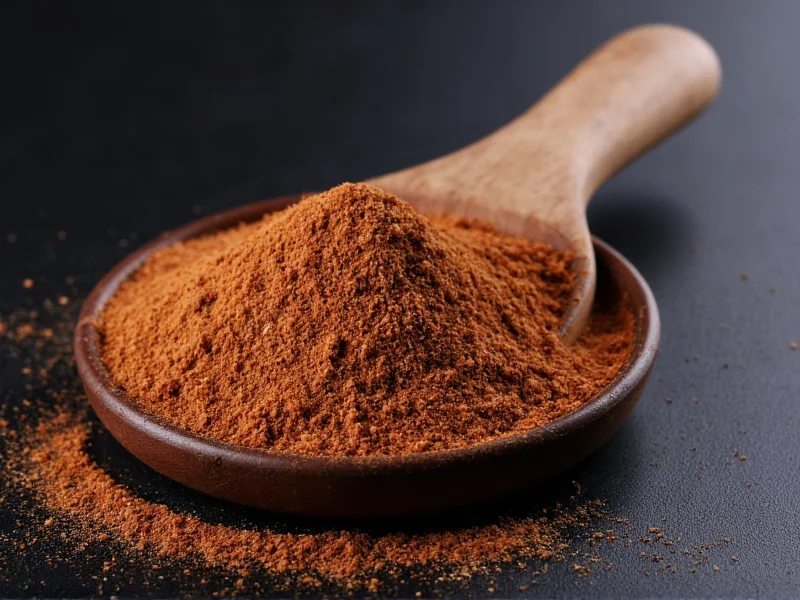
Understanding how to properly use smoke seasoning transforms ordinary dishes into culinary experiences with authentic smoky depth. Unlike traditional smoking that requires hours of preparation, modern smoke seasonings deliver consistent results in minutes while maintaining food safety standards.
Types of Smoke Seasoning and Their Applications
Smoke seasonings fall into three primary categories, each with distinct properties and ideal uses. Selecting the right type depends on your cooking method, desired intensity, and food compatibility.
| Type | Composition | Best For | Measurement Guide |
|---|---|---|---|
| Liquid Smoke | Concentrated wood-distilled smoke flavor | Marinades, sauces, soups | 1/4 to 1/2 tsp per cup of liquid |
| Smoked Spices | Spices exposed to natural smoke | Dry rubs, seasoning blends | Replace regular spices 1:1 |
| Smoke Flavor Powders | Smoke compounds bound to maltodextrin | Dry applications, seasoning mixes | 1/8 to 1/4 tsp per pound of food |
The Science Behind Smoke Flavor Delivery
Liquid smoke production involves capturing smoke particles from burning hardwoods through a condensation process, then filtering out carcinogens while preserving flavor compounds like guaiacol and syringol. This modern technique provides the authentic smoky taste without the potential health concerns of traditional smoking.
When selecting liquid smoke, look for products labeled "hickory," "mesquite," or "applewood" to match specific flavor profiles. Natural smoke seasonings contain no artificial flavors or colors, distinguishing them from synthetic alternatives that often produce harsh, one-dimensional results.
Evolution of Smoke Seasoning Technology
The development of smoke seasoning has evolved significantly through scientific advancements and regulatory oversight. Understanding this progression contextualizes modern product safety and culinary applications.
| Time Period | Key Development |
|---|---|
| 1890s | Liquid smoke was first developed by Thomas B. Norton through wood smoke condensation. Source: University of Kentucky Cooperative Extension |
| 1964 | Scientific publication detailed effective removal of carcinogenic polycyclic aromatic hydrocarbons (PAHs) from liquid smoke. Source: Journal of Agricultural and Food Chemistry |
| Present | Advanced filtration systems ensure compliance with FDA safety standards (21 CFR 172.565) for commercial products. Source: FDA Code of Federal Regulations |
Mastering Smoke Seasoning Measurements
Overuse remains the most common mistake with smoke seasonings. The concentrated nature of liquid smoke means a little goes surprisingly far. For first-time users, start with half the recommended amount, then adjust after tasting. Remember that smoke flavor intensifies as food cooks and rests.
When incorporating smoke seasoning into marinades, add it during the final mixing stage to prevent premature flavor degradation. For dry rubs, blend smoked paprika or chipotle powder with complementary spices like garlic powder and black pepper for balanced complexity.
Optimal Food Pairings for Smoke Seasoning
Certain ingredients respond exceptionally well to smoke seasoning while others require careful handling:
- Meats: Brisket, ribs, and poultry benefit from liquid smoke in marinades (1/2 tsp per pound). Avoid using on delicate fish which can become overpowering
- Vegetables: Roasted root vegetables and grilled mushrooms enhance beautifully with smoked garlic powder
- Plant-based proteins: Liquid smoke transforms tofu and tempeh with just 1/4 tsp per serving
- Sauces and dips: Add subtle smokiness to barbecue sauce, mayonnaise, or bean dips with careful drops of liquid smoke
Safety Considerations and Storage
Proper storage maintains smoke seasoning quality. Keep liquid smoke in a cool, dark place where it remains potent for 18-24 months. Refrigeration after opening extends shelf life but isn't required. Always check for separation in liquid smoke products—gently shake before use as natural settling occurs.
Contrary to popular belief, modern commercial liquid smoke undergoes rigorous purification that removes polycyclic aromatic hydrocarbons (PAHs) found in traditional smoke. Reputable brands meet FDA safety standards, making them a healthier alternative to backyard smoking which can produce inconsistent results with potential carcinogens.
Contextual Boundaries for Smoke Seasoning Use
Smoke seasoning effectiveness varies significantly across cooking environments. These evidence-based limitations ensure optimal application while maintaining regulatory compliance and food safety.
| Context (Scenario) | Limitation | Regulatory Reference |
|---|---|---|
| Infant meat products | Smoke seasonings are prohibited due to undeveloped digestive systems | FDA 21 CFR 172.565(i) explicitly excludes products intended for infants |
| High-temperature cooking (>400°F / 204°C) | Thermal degradation produces off-flavors and potential harmful compounds | Research confirms significant compound breakdown above 200°C (Journal of Food Science, 2010) |
| Raw food applications (e.g., salad dressings) | Requires commercially purified products; homemade versions unsafe | FDA 21 CFR 172.565 specifies mandatory purity standards for raw applications |
Avoiding Common Smoke Seasoning Mistakes
Many home cooks encounter issues with smoke seasoning due to improper usage techniques. The most frequent errors include:
- Using too much liquid smoke, creating an artificial, chemical-like flavor
- Applying smoke seasoning too late in cooking, preventing flavor integration
- Mixing multiple smoke products which creates flavor confusion
- Using liquid smoke on foods with high sugar content that can burn
- Storing near heat sources which degrades flavor compounds
For beginners, start with milder smoke seasonings like applewood liquid smoke before progressing to stronger varieties like mesquite. Keep a usage journal noting measurements and results to develop your personal smoke seasoning profile.
Creative Applications Beyond Traditional Uses
Modern culinary applications have expanded smoke seasoning's role far beyond barbecue. Chefs incorporate subtle smoke notes into unexpected dishes:
- Add a drop of liquid smoke to chocolate desserts for complex depth
- Enhance mushroom risotto with smoked sea salt
- Create signature cocktails with smoked paprika rim
- Boost umami in vegetarian broths using liquid smoke
- Develop unique spice blends for artisanal popcorn
These innovative uses demonstrate smoke seasoning's versatility when applied with precision. The key remains restraint—smoke should complement, not dominate, the dish's natural flavors.




 浙公网安备
33010002000092号
浙公网安备
33010002000092号 浙B2-20120091-4