
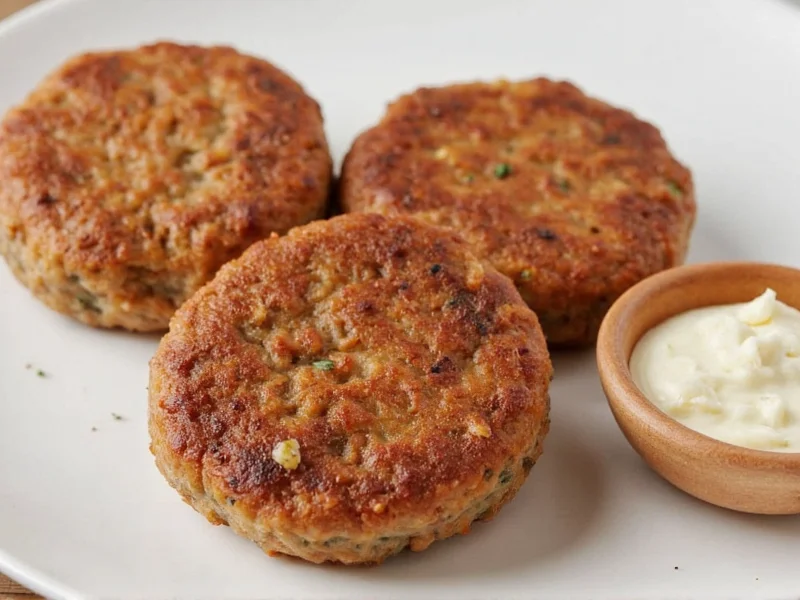
Smithfield sausage patties offer a convenient solution for quick breakfast preparation. As one of America's most recognized pork producers, Smithfield creates these fully cooked patties using quality ingredients that deliver consistent flavor and texture. Understanding proper preparation methods ensures you get the best results whether you're cooking for a family breakfast or meal prepping for the week.
Understanding Smithfield Sausage Patties Varieties
Smithfield offers several varieties of sausage patties to accommodate different dietary preferences and taste profiles. The classic pork sausage patties remain the most popular option, featuring traditional seasoning with notes of black pepper and sage. For those watching sodium intake, Smithfield produces a reduced-sodium version that maintains flavor while cutting salt content by approximately 25%. The company also offers turkey sausage patties for consumers seeking a leaner protein option with similar convenience.
Cooking Methods and Timing Guidelines
Proper cooking technique significantly impacts the final texture and flavor of your Smithfield sausage patties. Each preparation method requires specific timing to achieve optimal results without drying out the meat. Whether you're using frozen or refrigerated patties, following these guidelines ensures perfect results every time.
| Cooking Method | Frozen Patties | Refrigerated Patties | Internal Temperature |
|---|---|---|---|
| Skillet | 2-3 minutes per side | 1.5-2 minutes per side | 160°F |
| Oven | 12-14 minutes at 350°F | 10-12 minutes at 350°F | 160°F |
| Microwave | 65-75 seconds | 45-55 seconds | 160°F |
| Air Fryer | 6-8 minutes at 375°F | 5-6 minutes at 375°F | 160°F |
Nutritional Profile and Dietary Considerations
A standard Smithfield sausage patty (57g) contains approximately 180 calories, 15g of protein, and 13g of total fat. The patties provide 510mg of sodium per serving, which represents about 22% of the recommended daily value. Each patty delivers 20% of your daily vitamin B12 needs and 8% of zinc requirements. For those following specific dietary patterns, note that Smithfield sausage patties contain no carbohydrates and are gluten-free, making them suitable for keto and paleo diets when consumed in moderation.
Storage and Shelf Life Recommendations
Proper storage maintains both safety and quality of Smithfield sausage patties. Unopened packages remain safe in the refrigerator for 7-10 days past the 'sell by' date. Once opened, consume within 3-4 days. For extended storage, freeze the patties in their original packaging for up to 2 months. When freezing individually, place patties on a baking sheet, freeze until solid, then transfer to a freezer bag with air removed. Thaw frozen patties in the refrigerator overnight rather than at room temperature to prevent bacterial growth. Never refreeze patties that have been completely thawed.
Regulatory Evolution in Sausage Production
The safety standards governing products like Smithfield sausage patties have evolved through critical federal regulations. Understanding this historical context demonstrates the rigorous food safety protocols required in modern production. The following timeline outlines key milestones that directly impact pre-cooked sausage products:
| Year | Regulatory Milestone | Impact on Sausage Safety |
|---|---|---|
| 1906 | Meat Inspection Act | Mandated federal inspection of meat processing facilities, establishing baseline standards for sausage production hygiene and pathogen control. |
| 1967 | Wholesome Meat Act | Required state inspection programs to meet federal standards, ensuring consistent safety protocols for pre-cooked products like sausage patties nationwide. |
| 1996 | Pathogen Reduction/HACCP Rule | Implemented science-based Hazard Analysis systems, requiring producers like Smithfield to monitor critical control points for pathogens (e.g., Salmonella) throughout cooking processes. |
Source: U.S. Department of Agriculture Food Safety and Inspection Service Regulatory Timeline
Contextual Suitability and Limitations
While versatile, Smithfield sausage patties have specific usage boundaries that affect their appropriateness for different scenarios. Recognizing these context-dependent limitations ensures optimal integration into meal plans:
- Sodium-Sensitive Diets: At 510mg sodium per patty (22% DV), they exceed recommendations for strict sodium-restricted diets (<1500mg/day). The Dietary Guidelines for Americans advise hypertension patients to seek lower-sodium alternatives where possible.
- Religious Dietary Requirements: Standard patties contain pork and lack halal/kosher certification. The USDA's Food Safety and Inspection Service notes that only products bearing official certification seals comply with religious dietary laws.
- Meal Prep Efficiency: Ideal for batch cooking (maintains texture for 3-4 days refrigerated), but repeated reheating degrades quality beyond 72 hours – unlike fresh sausage which offers greater flexibility for multi-day use.
- Flavor Integration: Works best in dishes where robust pork flavor complements other ingredients (e.g., breakfast casseroles), but may overwhelm delicate sauces where fresh sausage's customizable seasoning profile would be preferable.
Source: Dietary Guidelines for Americans, 2020-2025 (Chapter 1, p.17)
Creative Usage Beyond Breakfast
While Smithfield sausage patties excel as a breakfast item, their versatility extends to numerous culinary applications throughout the day. Crumble cooked patties into scrambled eggs or omelets for added protein and flavor. Incorporate them into breakfast casseroles or stratas for meal prep. For lunch and dinner, use crumbled patties as a pizza topping, mix into pasta sauces, or add to soups and stews for depth of flavor. The fully cooked nature makes them ideal for quick additions to salads or as a protein component in wraps. Many home cooks find success using sausage patties in place of ground sausage in recipes requiring minimal adaptation.
Comparing Smithfield to Other Sausage Products
Smithfield sausage patties distinguish themselves through consistent quality control and recognizable flavor profile. Compared to store brands, Smithfield typically maintains more uniform seasoning distribution and texture. When evaluating against premium specialty sausages, Smithfield offers greater convenience at a more accessible price point, though artisanal varieties may feature more complex spice blends. Nutritionally, Smithfield's standard patties contain similar fat and protein content to comparable national brands, with slight variations in sodium levels. The company's extensive distribution network ensures wider availability than many regional sausage producers.
Troubleshooting Common Cooking Issues
Several common issues arise when preparing Smithfield sausage patties. If patties stick to the skillet, ensure proper preheating and use of cooking oil or non-stick spray. For uneven browning, maintain consistent heat and avoid overcrowding the cooking surface. When patties become dry, reduce cooking time slightly or cover with a lid during the final minute to retain moisture. If you notice excessive grease, drain patties on paper towels after cooking. For microwave preparation, arrange patties in a circle with space between them and cover with a paper towel to prevent splattering while maintaining even heating.




 浙公网安备
33010002000092号
浙公网安备
33010002000092号 浙B2-20120091-4