
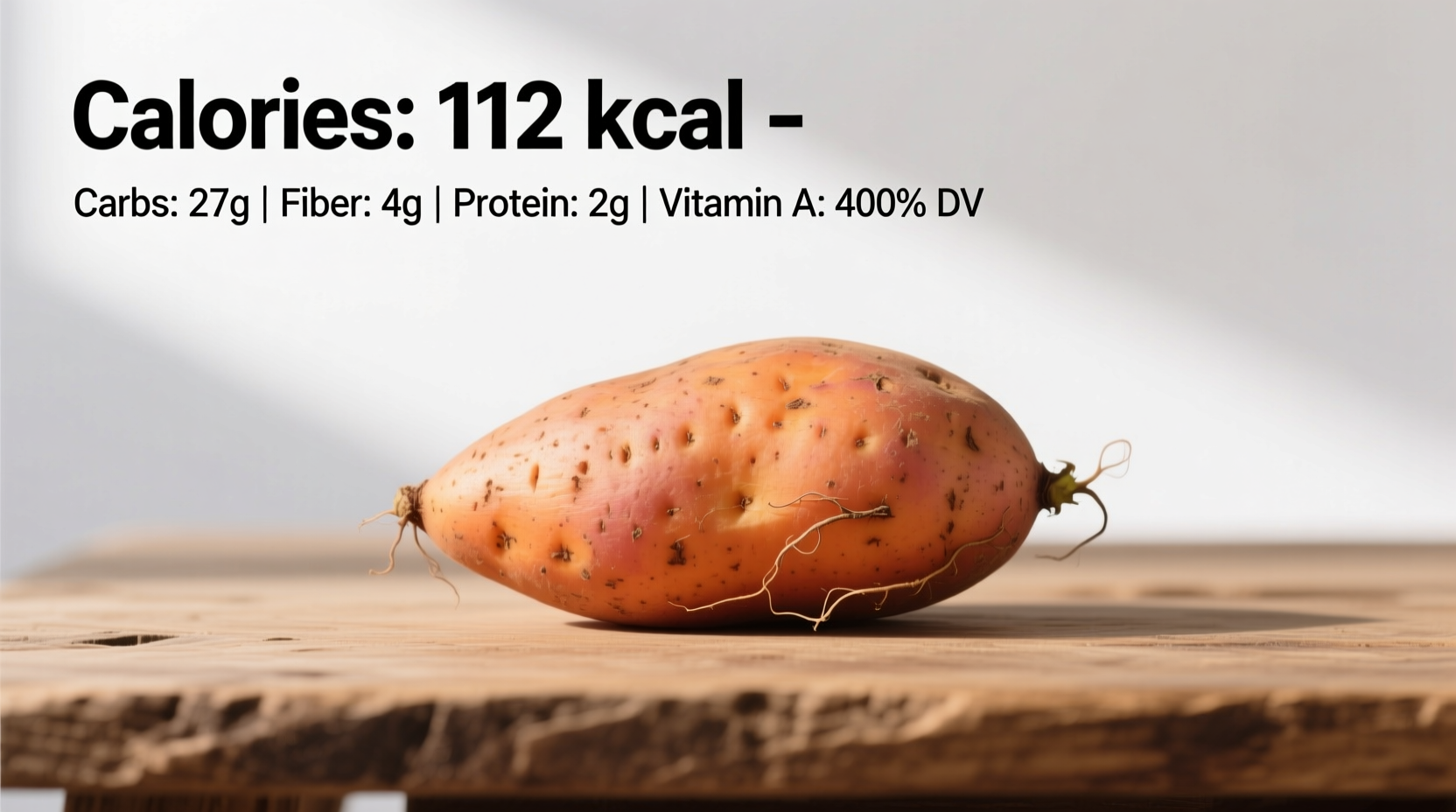
Understanding the precise nutritional value of small sweet potato calories helps you make informed dietary choices without sacrificing flavor or satisfaction. Whether you're meal prepping, tracking macros, or simply curious about this vibrant root vegetable, knowing exactly what you're consuming matters.
What Defines a "Small" Sweet Potato?
Before diving into calorie specifics, it's crucial to understand what constitutes a "small" sweet potato in nutritional terms. According to the USDA's standard reference measurements:
- Small sweet potato: Approximately 130 grams (5.3 ounces) raw weight
- Medium sweet potato: Approximately 150 grams (5.3 ounces)
- Large sweet potato: Approximately 180 grams (6.3 ounces)
These standardized measurements ensure consistency when comparing nutritional information across different sources and help prevent portion distortion in your meal planning.
Nutritional Breakdown of a Small Sweet Potato
While calories provide energy measurement, the complete nutritional profile reveals why sweet potatoes earn their "superfood" reputation. Here's what you get in one small sweet potato (130g, boiled without skin):
| Nutrient | Amount | % Daily Value |
|---|---|---|
| Calories | 103 | 5% |
| Carbohydrates | 24g | 8% |
| Dietary Fiber | 3.6g | 14% |
| Sugars | 5.7g | - |
| Protein | 2.0g | 4% |
| Vitamin A | 21,907 IU | 438% |
| Vitamin C | 19.6mg | 22% |
| Potassium | 337mg | 10% |
Source: USDA FoodData Central (2023 update) - https://fdc.nal.usda.gov/
How Cooking Method Affects Small Sweet Potato Calories
The preparation method significantly impacts the final calorie count of your sweet potato. While boiling preserves the natural calorie count at approximately 103 calories for a small specimen, other cooking techniques alter this:
- Boiled (no skin): 103 calories - retains most water content
- Baked (no added fat): 108 calories - slight concentration from water loss
- Air-fried: 110 calories - minimal additional oil absorption
- Roasted with 1 tsp olive oil: 160 calories - oil adds significant calories
- Fried: 180+ calories - substantial oil absorption during cooking
This context boundary matters because many restaurant servings and popular recipes dramatically increase the calorie count through added fats. For accurate tracking, always consider your preparation method when calculating small sweet potato calories in your diet.
Sweet Potato vs. Regular Potato: Calorie Comparison
Many people wonder how sweet potatoes compare to regular white potatoes in terms of calories and nutrition. Here's how a small sweet potato stacks up against its starchy cousin:
| Nutrient | Small Sweet Potato (130g) | Small White Potato (138g) |
|---|---|---|
| Calories | 103 | 113 |
| Carbohydrates | 24g | 26g |
| Dietary Fiber | 3.6g | 2.1g |
| Vitamin A | 438% DV | 0% DV |
| Vitamin C | 22% DV | 23% DV |
| Glycemic Index | 44 (boiled) | 78 (boiled) |
Source: USDA National Nutrient Database for Standard Reference - https://www.ars.usda.gov/northeast-area/beltsville-md/beltsville-human-nutrition-research-center/nutrient-data-laboratory/
Despite similar calorie counts, sweet potatoes offer dramatically higher vitamin A content and fiber while having a significantly lower glycemic index, making them a better choice for blood sugar management.
Why Small Sweet Potato Calories Deliver Exceptional Nutritional Value
The true value of small sweet potato calories lies not just in the energy they provide, but in the exceptional nutrient density they deliver. Consider these evidence-based benefits:
- Vitamin A powerhouse: One small sweet potato provides over 400% of your daily vitamin A needs, crucial for vision, immune function, and skin health
- Fiber-rich: With 3.6 grams of fiber, small sweet potatoes promote digestive health and help maintain stable blood sugar levels
- Antioxidant profile: Rich in beta-carotene, anthocyanins (in purple varieties), and other antioxidants that combat oxidative stress
- Low glycemic impact: With a glycemic index of 44 when boiled, they're suitable for most blood sugar management plans
- Versatile preparation: Can be incorporated into both sweet and savory dishes while maintaining nutritional integrity
Practical Ways to Enjoy Small Sweet Potato Calories
Understanding small sweet potato calories is just the beginning. Here's how to incorporate them effectively into your eating pattern:
- Perfect portion control: A single small sweet potato makes an ideal side dish without excessive calories
- Meal prep friendly: Cook multiple small sweet potatoes at once for ready-to-eat components throughout the week
- Healthy snacking: Microwave a small sweet potato and top with Greek yogurt for a nutrient-dense snack
- Breakfast boost: Dice and roast small sweet potatoes to add to morning egg scrambles
- Smart substitution: Replace higher-calorie starches with small sweet potatoes in recipes for added nutrition
Historical Context: Sweet Potatoes Through Time
Sweet potatoes have evolved from ancient staple crop to modern nutritional superstar. Understanding this timeline provides context for their current nutritional reputation:
- 5000 BCE: Earliest archaeological evidence of sweet potato cultivation in Peru
- 1492: Christopher Columbus brings sweet potatoes to Europe after encountering them in the Caribbean
- 1700s: Sweet potatoes become staple food in American colonies, particularly in the South
- 1913: George Washington Carver develops over 100 sweet potato recipes to promote crop diversification
- 1980s: Sweet potatoes recognized for high beta-carotene content, leading to increased popularity
- 2010s: Sweet potatoes consistently rank among "top superfoods" in nutritional studies
- 2023: USDA includes sweet potatoes in recommended vegetable varieties for balanced diets
Source: National Center for Biotechnology Information historical review - https://www.ncbi.nlm.nih.gov/pmc/articles/PMC6275023/
When Small Sweet Potato Calories Might Not Apply
It's important to recognize the limitations of standard calorie information. These context boundaries affect how small sweet potato calories impact your diet:
- Added ingredients: Toppings like butter, marshmallows, or brown sugar significantly increase calorie count
- Cooking method: Frying or roasting with excessive oil can double the calorie content
- Individual metabolism: Calorie absorption varies based on gut microbiome and digestive health
- Portion distortion: Restaurant servings often contain multiple sweet potatoes despite being labeled as "one"
- Varietal differences: Orange, purple, and white sweet potatoes have slightly different nutritional profiles
For the most accurate tracking, weigh your sweet potatoes before cooking and account for any added ingredients in your calculations.
Small Sweet Potato Calories in Popular Diets
How do small sweet potato calories fit into common eating patterns? Here's what research shows:
- Weight management: The high fiber content promotes satiety, helping control overall calorie intake
- Diabetes management: Lower glycemic index makes them suitable for most blood sugar management plans
- Athletic performance: Provides sustained energy release ideal for endurance activities
- Plant-based diets: Excellent source of complex carbohydrates and micronutrients
- Mediterranean diet: Complements the emphasis on whole, plant-based foods
Research from the American Journal of Clinical Nutrition indicates that replacing refined carbohydrates with whole food sources like sweet potatoes improves metabolic markers and promotes better long-term weight management.




 浙公网安备
33010002000092号
浙公网安备
33010002000092号 浙B2-20120091-4