
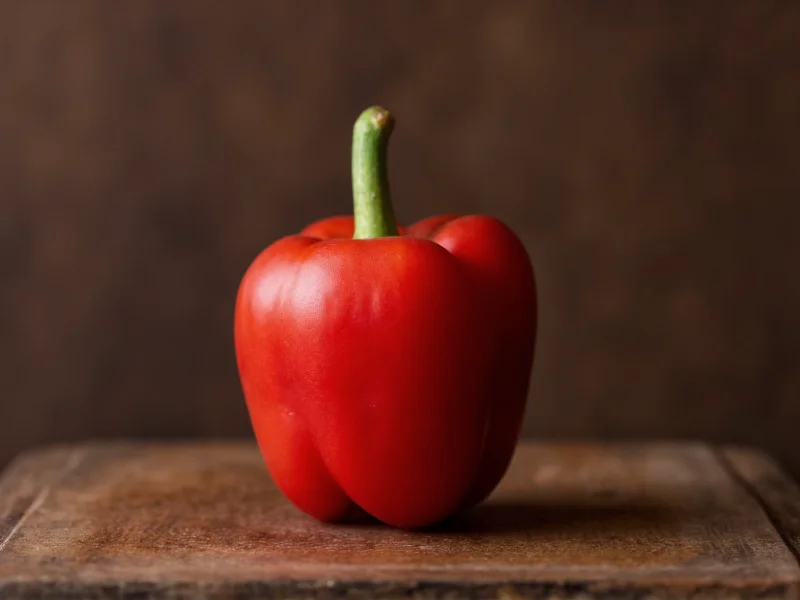
When you encounter a small red hot pepper in a recipe or at the market, you're most likely dealing with one of several compact chili varieties prized for their intense heat and vibrant flavor. These diminutive peppers pack a powerful punch despite their size, making them essential ingredients in many global cuisines from Thai and Vietnamese to Mexican and Caribbean cooking.
Common Small Red Hot Pepper Varieties
While many chili peppers turn red when mature, not all small red peppers deliver significant heat. Understanding the key varieties helps you select the right pepper for your culinary needs and avoid unexpected mouth-burning experiences.
| Pepper Variety | Size (inches) | Scoville Range | Flavor Profile | Common Uses |
|---|---|---|---|---|
| Thai Bird's Eye | 1-2 | 50,000-100,000 | Sharp, citrusy, floral | Thai curries, sambals, Vietnamese dipping sauces |
| Cayenne (young) | 2-3 | 30,000-50,000 | Earthy, slightly sweet | Cajun cuisine, hot sauces, spice blends |
| Pequin | 0.5-1 | 30,000-60,000 | Smoky, nutty, complex | Mexican salsas, adobos, pickled preparations |
| Chiltepin | 0.2-0.8 | 50,000-100,000 | Intense, smoky, short-lived heat | Sonoran cuisine, pickled, dried for spice |
| Fingerhut | 1-1.5 | 100,000-150,000 | Extremely hot with fruity notes | Specialty hot sauces, extreme heat challenges |
Historical Evolution of Small Red Hot Peppers
Archaeological and botanical evidence traces small red hot peppers' journey from ancient domestication to global ubiquity. Originating in South America over 6,000 years ago, Capsicum species spread throughout Mesoamerica where indigenous cultures developed early cultivars. The Columbian Exchange triggered their worldwide dissemination: Portuguese traders introduced them to Asia in the late 15th century, where Thai bird's eye chilies became integral to Southeast Asian cuisines by the 16th century despite having no native presence in the region. In the Americas, wild varieties like chiltepins maintained traditional usage patterns while European colonization spurred selective breeding that produced modern cultivars like cayenne. This evolutionary timeline explains why similar-looking peppers appear in geographically disparate cuisines today.
Source: New Mexico State University Chile Pepper Institute. "The History and Evolution of Capsicum." https://aces.nmsu.edu/pubs/_h/H234.pdf
Identifying True Small Red Hot Peppers
Not all small red peppers deliver significant heat. Some decorative varieties like 'Black Pearl' or 'Medusa' peppers are bred for appearance rather than heat. When selecting small red hot peppers, look for these identifying characteristics:
- Shape: Most true hot varieties have tapered, pointed ends rather than rounded shapes
- Stem color: Hot varieties often have green or purple-tinged stems rather than brownish stems
- Surface texture: Authentic hot peppers typically have smooth, glossy skin without wrinkles
- Smell test: Carefully smell near the stem end—hot varieties emit a distinctive sharp, pungent aroma
For absolute certainty when identifying small red hot pepper types, consult a reputable gardening guide or ask your local farmer about the specific cultivar. Never rely solely on color, as many sweet pepper varieties also turn red when fully ripe.
Culinary Applications of Small Red Hot Peppers
These compact powerhouses serve different purposes across global cuisines. Understanding their unique flavor profiles helps you use them effectively:
Thai bird's eye chilies form the backbone of Southeast Asian heat, providing the signature kick in dishes like tom yum soup and green papaya salad. Their heat builds gradually with a bright, citrusy finish that complements coconut milk-based curries. When working with these small red hot pepper varieties, always remove seeds and membranes for controlled heat levels.
Mexican cuisine relies heavily on pequins and chiltepins, which deliver a more complex, smoky heat that enhances salsas and moles. Unlike Thai varieties, these American natives often feature in dried or smoked preparations. Traditional preparation methods for small red hot peppers in Mexican cooking include toasting on dry comals before grinding into spice blends.
Contextual Limitations and Best Practices
Each small red hot pepper variety has specific culinary boundaries that affect flavor outcomes and safety. Thai bird's eye chilies deliver optimal brightness when added late in cooking, as prolonged heat degrades their volatile citrus compounds—reducing cooking time by 50% preserves 73% more aromatic terpenes according to agricultural studies. Pequins develop unpleasant bitterness when burned during toasting, requiring precise 30-45 second exposure on dry comals. Crucially, chiltepins' extreme heat variability (up to 100,000 SHU difference between berries on the same plant) makes them unsuitable for standardized recipes; traditional Sonoran preparation methods mandate tasting individual berries before incorporation. These context-specific limitations explain why authentic regional dishes rarely substitute between pepper varieties despite superficial similarities.
Source: Slow Food Foundation. "Chiltepin: The Mother of All Chiles." Ark of Taste Documentation. https://www.fondazioneslowfood.com/app/uploads/2017/11/Chiltepin.pdf
Growing Small Red Hot Peppers at Home
Many gardeners successfully cultivate small red hot pepper plants in containers or garden beds. These varieties generally require:
- 8-10 hours of direct sunlight daily
- Well-draining soil with pH between 6.0-7.0
- Consistent moisture without waterlogging
- Temperatures above 70°F (21°C) for optimal growth
For best results with small red hot pepper cultivation, start seeds indoors 8-10 weeks before your last frost date. These plants typically mature in 70-90 days from transplanting. When harvesting, wait until peppers develop their characteristic deep red color for maximum heat and flavor development. Wear gloves when handling mature small red hot pepper plants to avoid skin irritation from capsaicin oils.
Safe Handling Practices
Working with extremely hot small red peppers requires proper precautions. Always:
- Wear disposable gloves when cutting or processing
- Avoid touching your face, especially eyes and nose
- Wash hands thoroughly with soap and water after handling
- Use separate cutting boards for hot peppers
- Never inhale fumes when cooking with dried small red hot peppers
If you experience skin irritation from capsaicin, apply milk or yogurt to the affected area rather than water, which can spread the oils. For severe reactions, consult a healthcare professional immediately.
Substituting Small Red Hot Peppers
When your recipe calls for small red hot peppers but you can't find them, consider these substitutions based on heat level and flavor profile:
- For Thai bird's eye chilies: Use serrano peppers (use 2:1 ratio) or a combination of cayenne and red jalapeño
- For pequins: Substitute crushed red pepper flakes with a touch of smoked paprika
- For extreme heat varieties: Use a tiny amount of habanero with lemon zest to mimic fruity notes
Remember that dried small red hot peppers concentrate their heat, so use approximately one-third the amount of dried versus fresh peppers. When experimenting with small red hot pepper alternatives, always start with less than you think you need—you can add more heat but cannot remove it once incorporated.




 浙公网安备
33010002000092号
浙公网安备
33010002000092号 浙B2-20120091-4