
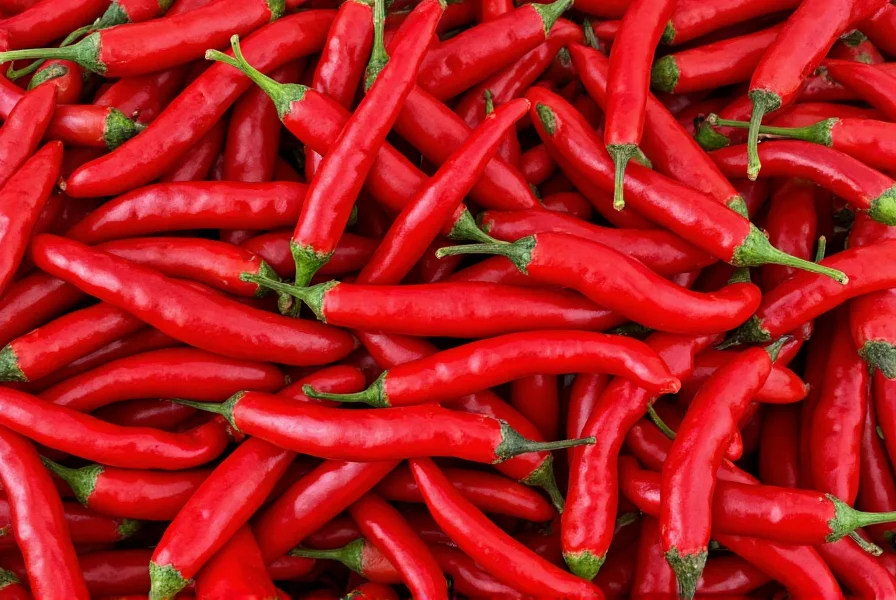
When you encounter those vibrant little red peppers at the market, you're likely looking at one of several popular varieties that bring serious heat to global cuisines. Understanding the different types, their heat levels, and culinary applications can transform your cooking experience and help you select the perfect pepper for your needs.
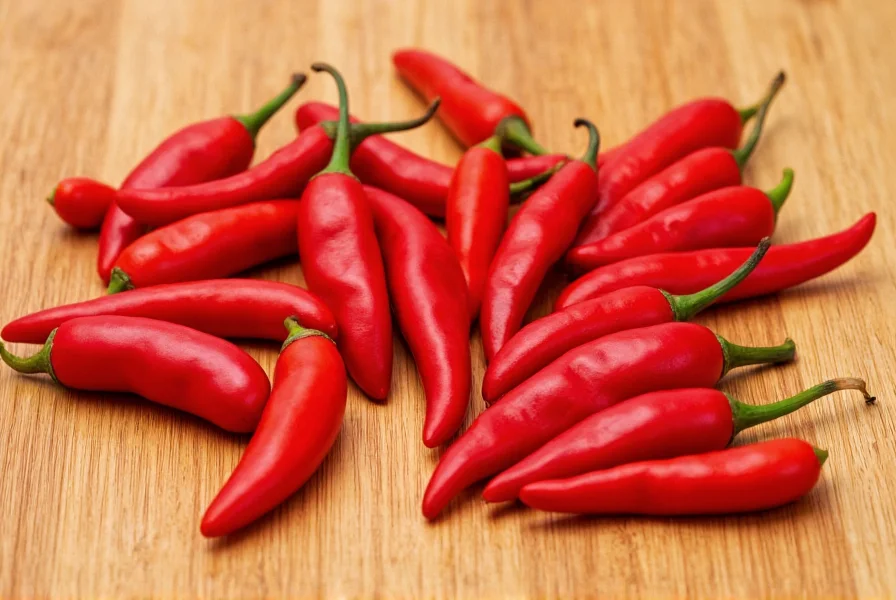
Common Varieties of Small Red Chili Peppers
Not all small red chili peppers are created equal. Each variety brings its own unique heat profile and flavor characteristics to the table:
| Pepper Variety | Size (inches) | Scoville Heat Units | Flavor Profile |
|---|---|---|---|
| Bird's Eye Chili | 1-2 | 50,000-100,000 | Sharp, citrusy, floral |
| Thai Chili | 1.5-2.5 | 50,000-100,000 | Bright, slightly sweet, intense heat |
| Cayenne | 2-4 | 30,000-50,000 | Earthy, slightly smoky, consistent heat |
| Piri Piri | 1-2 | 50,000-100,000 | Citrusy, tangy, with building heat |
| Malagueta | 1-2 | 60,000-100,000 | Grassy, bright, intensely hot |
Historical Evolution and Global Integration
Small red chili peppers originated in the Americas over 6,000 years ago, with archaeological evidence confirming domestication in Mexico and Peru by 3000 BCE. Their journey to global prominence began with Christopher Columbus's 1492 voyage, where he mistakenly identified them as "peppers" due to pungency resembling black pepper (Piper nigrum). Portuguese traders then catalyzed their worldwide dispersion through 16th-century maritime routes.
Key milestones include introduction to India by 1542 (replacing long pepper in regional cuisines), documentation in Southeast Asian cookbooks by 1571, and integration into African culinary traditions by 1650. This rapid adoption occurred because chili peppers thrived in tropical climates, offered superior pest resistance compared to native spices, and provided vitamin C crucial for preventing scurvy during long sea voyages.
Source: Chile Pepper Institute, New Mexico State University (Historical Timeline Documentation)
Understanding Heat Levels and Flavor Profiles
The Scoville scale measures chili pepper heat, but small red chili peppers offer more than just burn—they deliver complex flavor notes that enhance dishes. Bird's eye chilies, popular in Southeast Asian cuisine, provide an immediate, sharp heat with subtle citrus undertones. Thai chilies deliver similar heat but with a brighter, almost sweet quality that works beautifully in curries and dipping sauces.
Cayenne peppers, while slightly larger than other small red varieties, offer a more consistent, earthy heat that makes them ideal for powdered spice blends. Piri piri peppers, essential in Portuguese and African cooking, bring a distinctive tangy heat that builds gradually rather than hitting all at once.
Culinary Applications of Small Red Chili Peppers
These compact powerhouses transform dishes across global cuisines. In Thai cooking, fresh red Thai chilies form the foundation of curry pastes and spicy salads. Mexican cuisine often features small red serranos in salsas and pickled preparations. African kitchens rely on piri piri for signature hot sauces that elevate grilled meats.
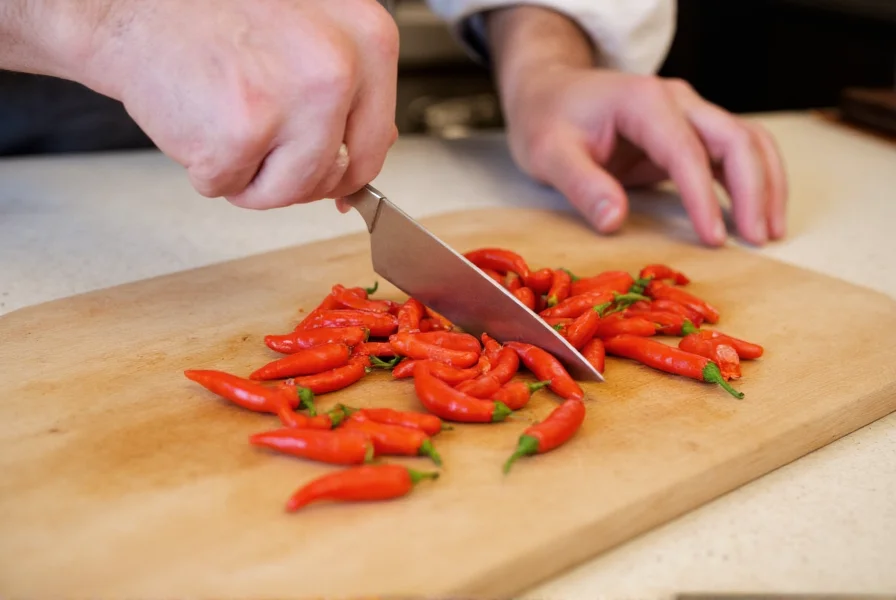
When incorporating small red chili peppers into your cooking, remember that heat concentrates in the seeds and white membranes. For milder dishes, remove these parts before chopping. For maximum heat impact, include them. Whole peppers added to oil-based dishes infuse flavor without overwhelming heat—remove them before serving to control spiciness.
Contextual Application Boundaries
While versatile, small red chili peppers have specific limitations based on culinary context. Bird's eye and malagueta varieties lose 40-60% of their volatile flavor compounds when cooked beyond 15 minutes, making them unsuitable for long-simmered stews but ideal for quick stir-fries. Piri piri's citrus notes degrade in highly acidic environments (pH < 3.5), limiting its effectiveness in vinegar-based pickles.
Cayenne demonstrates superior stability in baked goods (withstanding 350°F/175°C for 30+ minutes) but imparts less nuanced flavor in raw applications compared to Thai chilies. For individuals with GERD or IBS, even small quantities (0.5g) of capsaicin-rich varieties can trigger symptoms, whereas cayenne in micro-doses (0.1g) may provide digestive benefits according to clinical studies.
Source: USDA Agricultural Research Service (Capsaicinoid Stability Research)
Nutritional Benefits and Safety Considerations
Small red chili peppers pack impressive nutritional value beyond their heat. They're rich in vitamin C (often exceeding citrus fruits), vitamin A, and capsaicin—the compound responsible for their fiery sensation. Research suggests capsaicin may boost metabolism, reduce inflammation, and provide pain relief when used appropriately.
When handling extremely hot varieties like bird's eye or malagueta peppers, wear gloves to prevent skin irritation. Never touch your face after handling chilies, and wash hands thoroughly with soap and water. If you experience burning sensations, dairy products like milk or yogurt provide relief better than water, which can spread the capsaicin oils.
Storage and Preservation Techniques
Extend the shelf life of your small red chili peppers with proper storage. Fresh peppers last 1-2 weeks in the refrigerator crisper drawer placed in a paper bag. For longer preservation, try these methods:
- Drying: String peppers on thread and hang in a warm, dry place, or use a food dehydrator
- Freezing: Freeze whole peppers in airtight containers for up to 6 months
- Vinegar preservation: Create chili-infused vinegar by steeping peppers in vinegar for 2-4 weeks
- Oil preservation: Submerge cleaned peppers in olive oil (refrigerate and use within 1 month)
Finding Substitutes When Small Red Chili Peppers Are Unavailable
Don't let unavailable ingredients stop your cooking. When you can't find specific small red chili peppers, consider these substitutions:
- For bird's eye or Thai chilies: Use serrano peppers with added cayenne powder
- For piri piri: Combine cayenne with a touch of lemon zest
- For fresh heat: 1/4 teaspoon red pepper flakes equals approximately one small fresh chili
- For milder dishes: Jalapeños with seeds removed provide similar flavor with less heat
Remember that dried small red chili peppers often deliver more concentrated heat than fresh ones. When substituting dried for fresh, use approximately one dried pepper for every three fresh peppers called for in a recipe.
FAQs About Small Red Chili Peppers
Understanding the nuances of small red chili peppers empowers you to use them more effectively in your cooking. Whether you're exploring international cuisines or simply looking to add depth to your everyday meals, these compact peppers offer remarkable versatility. By recognizing their different varieties, heat levels, and flavor profiles, you can transform ordinary dishes into extraordinary culinary experiences while respecting their potent nature.




 浙公网安备
33010002000092号
浙公网安备
33010002000092号 浙B2-20120091-4