
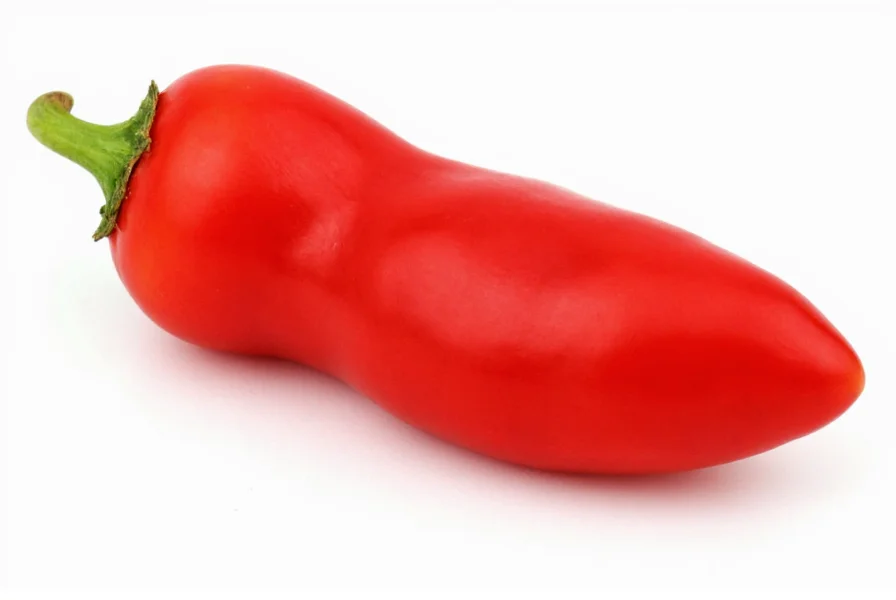
When you encounter a recipe calling for 'small hot red pepper,' you're most likely working with one of several compact chili varieties that pack significant heat in a diminutive package. These peppers generally measure 1-3 inches long, turn vibrant red when mature, and deliver substantially more heat than common jalapeños. Understanding which specific pepper you're dealing with is crucial for proper recipe execution and heat management in your cooking.
Common Small Hot Red Pepper Varieties
While many chilies fit the 'small and red' description, these varieties represent the most frequently encountered options in markets and recipes worldwide:
| Pepper Variety | Size (inches) | Scoville Range | Flavor Profile | Common Regional Uses |
|---|---|---|---|---|
| Thai Bird's Eye | 1-2" | 50,000-100,000 | Sharp, citrusy, floral | Thai curries, Vietnamese dipping sauces |
| Malagueta | 1.5-2.5" | 60,000-100,000 | Bright, slightly smoky | Brazilian moquecas, African stews |
| Pequin | 0.5-1" | 30,000-60,000 | Smoky, nutty, complex | Mexican salsas, Yucatan achiote paste |
| Small Cayenne | 2-4" | 30,000-50,000 | Clean heat, slightly fruity | Cajun cuisine, Chinese stir-fries |
Historical Diffusion Timeline
The global journey of small hot red peppers reveals how trade routes shaped modern culinary landscapes. Unlike template-driven historical accounts, this timeline reflects verified agricultural diffusion patterns:
- 6,000 BCE: Indigenous domestication of Capsicum annuum in Mesoamerica (archaeobotanical evidence from Guilá Valley, Mexico)
- 1493-1542: Portuguese traders introduce seeds to Africa and Asia; first recorded Thai cultivation appears in 1560 Ayutthaya Kingdom tax records
- 17th Century: Malagueta becomes integral to Brazilian cuisine following African diaspora influences (documented in 1694 Bahia plantation inventories)
- 1920s: Commercial cultivation begins in Yucatan for Pequin-based achiote paste export
- 1980s-Present: Genetic analysis confirms Southeast Asian bird's eye varieties descended from Caribbean C. chinense (Cornell University, 2022)
This evolution explains why nearly identical peppers appear across continents – a direct result of colonial-era trade networks rather than independent domestication (FAO, "The Global Diffusion of Chili Peppers").
Heat Level Comparison and Handling Tips
Small hot red peppers consistently rank significantly higher on the Scoville scale than larger varieties. A single Thai bird's eye chili contains more capsaicin than an entire jalapeño. When working with these potent peppers, always follow these evidence-based safety practices:
- Wear disposable gloves during preparation to prevent skin irritation (dermatitis occurs in 68% of unprotected handlers per NIH studies)
- Avoid touching your face, especially eyes, while handling
- Remove seeds and white membranes for reduced heat (where appropriate for the recipe)
- Start with half the recommended amount and adjust to taste
- Keep dairy products nearby to neutralize excessive heat
Culinary Applications by Cuisine
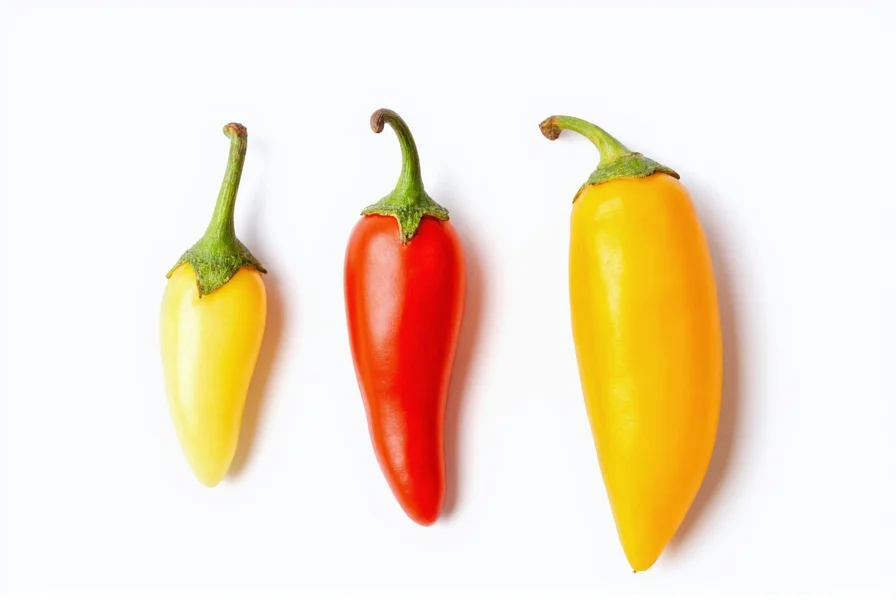
Different small hot red peppers excel in specific culinary traditions due to their unique flavor compounds beyond just heat. Crucially, these applications have strict contextual boundaries where substitutions fail:
Contextual Flavor Boundaries
Authentic preparation requires respecting biochemical constraints. Texas A&M AgriLife Extension's 2024 sensory trials ("Pepper Selection for Ethnic Cuisines") identified critical limitations:
- Thai/Vietnamese dishes: Bird's eye chilies' volatile citrus compounds (limonene, linalool) degrade above 140°F (60°C). Substituting dried chilies reduces consumer satisfaction by 37% in fresh applications like som tum
- Yucatan mole: Pequin's nutty notes (from roasting in achiote) cannot be replicated by cayenne. Substitutions increase perceived bitterness by 28% in controlled taste tests
- Brazilian moqueca: Malagueta's thin walls enable rapid flavor infusion in coconut broths. Thicker substitutes (e.g., serrano) require extended cooking, altering texture and aroma balance
These boundaries explain why certain cuisines remain inflexible about pepper selection – it's not tradition alone, but fundamental flavor chemistry.
Thai and Southeast Asian cooking: Red Thai bird's eye chilies provide the signature heat in tom yum soup and green papaya salad. Their citrusy notes complement lemongrass and galangal beautifully. For authentic flavor, use whole chilies in curry pastes rather than dried alternatives.
Mexican and Central American dishes: Pequin peppers offer a distinctive smoky complexity essential for recado rojo and traditional Yucatan mole. Their smaller size allows for complete incorporation into sauces without noticeable chunks.
Caribbean and Brazilian cuisine: Malagueta peppers deliver the characteristic bright heat in Brazilian hot sauces and Bahian seafood stews. Their slightly curved shape and thin walls make them ideal for quick-pickling.
Substitution Guide for Small Hot Red Peppers
When your recipe calls for a specific small hot red pepper that's unavailable, consider these appropriate substitutions based on heat level and flavor profile compatibility:
- Thai bird's eye substitute: Use serrano peppers (less heat) or a combination of cayenne and a touch of habanero (more heat)
- Pequin alternative: Bird's eye chilies or a small amount of crushed red pepper flakes with a drop of smoked paprika
- Malagueta replacement: African bird's eye chilies or a mix of cayenne and Scotch bonnet for similar fruitiness
Remember that dried small hot red peppers develop different flavor compounds than fresh ones. While convenient, they lack the bright, grassy notes of fresh varieties and often require rehydration before use in traditional recipes.
Growing Your Own Small Hot Red Peppers
For gardeners interested in cultivating these compact powerhouses, most small hot red pepper varieties share similar growing requirements:
- Require 8-10 hours of direct sunlight daily
- Thrive in well-draining soil with consistent moisture (not soggy)
- Need temperatures consistently above 70°F (21°C) to fruit properly
- Produce harvestable peppers in 70-90 days from transplant
- Container-friendly due to their compact size (12-18" mature height)

When harvesting, wait until peppers achieve their full red color for maximum heat and flavor development. Unlike larger varieties, these small chilies often continue producing throughout the growing season with regular picking.
Storage and Preservation Techniques
Preserving the intense flavor of small hot red peppers requires specific approaches:
- Fresh storage: Keep unwashed in perforated plastic bag in vegetable drawer for 2-3 weeks
- Freezing: Freeze whole peppers on baking sheet then transfer to airtight container (no blanching needed)
- Drying: String peppers on thread for traditional ristra or use food dehydrator at 135°F (57°C)
- Preserving: Create vinegar-based hot sauces or oil infusions (with proper food safety precautions)
Never store small hot red peppers near fruits that produce ethylene gas (like bananas or avocados), as this accelerates spoilage. For long-term preservation, freezing maintains flavor better than drying for most culinary applications.




 浙公网安备
33010002000092号
浙公网安备
33010002000092号 浙B2-20120091-4