
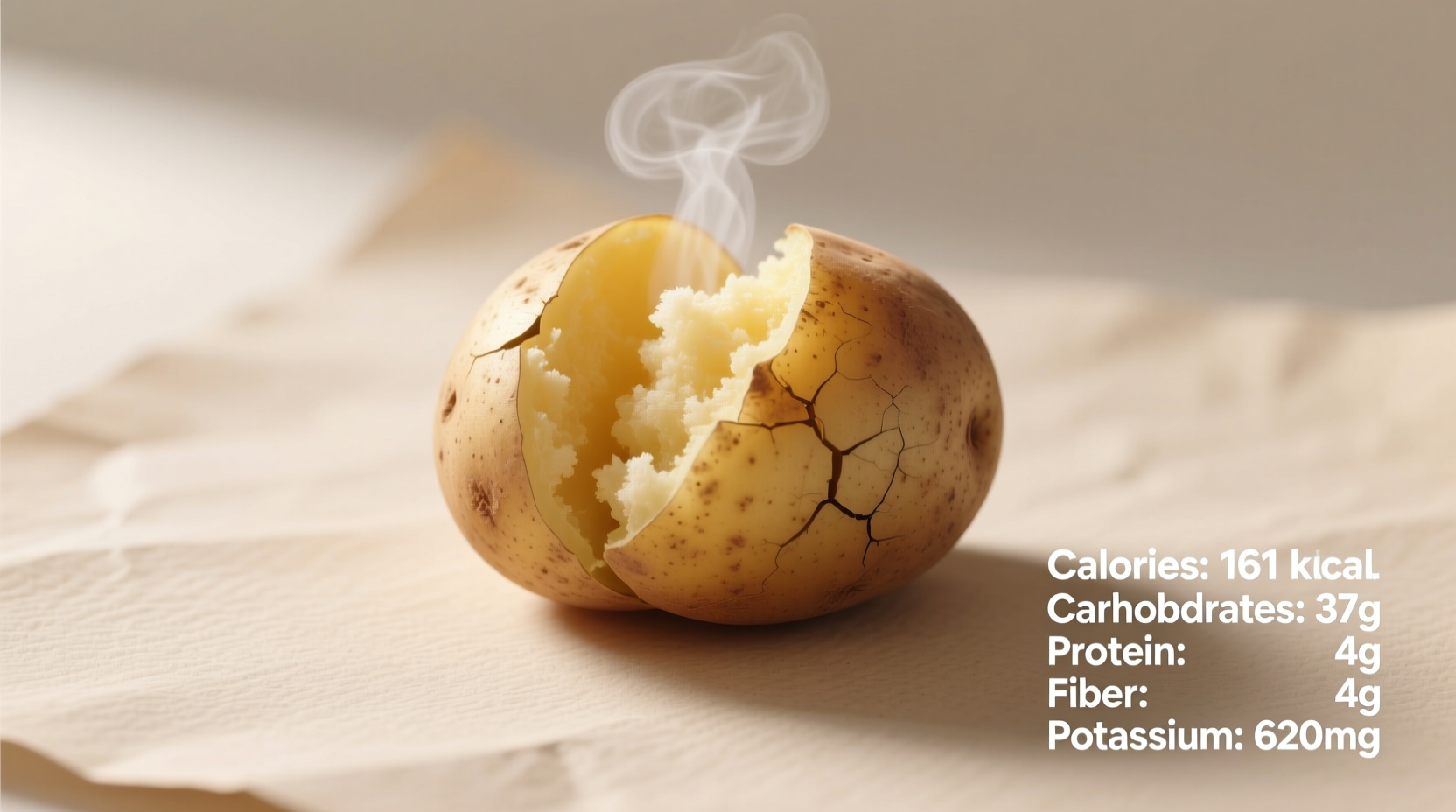
A small baked potato (approximately 138g or 5 ounces with skin) contains about 130-160 calories, making it a nutrient-dense, naturally low-calorie food option that fits well into balanced meal plans.
When tracking your daily nutrition, knowing the exact calorie count of common foods like potatoes is essential. Whether you're managing weight, following a specific diet, or simply curious about your food's nutritional value, this guide provides science-backed information about small baked potatoes and their role in healthy eating.
What Defines a Small Baked Potato?
Before diving into calorie specifics, it's important to understand what "small" means in nutritional contexts. According to the USDA's standard portion sizes:
| Size Category | Weight (with skin) | Diameter |
|---|---|---|
| Small | 138g (5 oz) | 1.5-2.0 inches |
| Medium | 173g (6 oz) | 2.0-3.0 inches |
| Large | 278g (10 oz) | 3.0-4.25 inches |
This standardized sizing comes from the USDA's FoodData Central database, the official U.S. government source for food composition information (fdc.nal.usda.gov). Using these measurements ensures you're getting accurate nutritional information regardless of where you find potato recipes or meal plans.
Nutritional Breakdown of a Small Baked Potato
While calories are important, understanding the complete nutritional profile provides better context for how this food fits into your diet. Here's what you get in a small baked potato with skin:
- Calories: 130-160
- Carbohydrates: 29-35g (10-12% of daily value)
- Fiber: 2.5-3.5g (10-14% of daily value)
- Protein: 2.5-3g
- Vitamin C: 15-20mg (25-33% of daily value)
- Potassium: 500-600mg (14-17% of daily value)
- Vitamin B6: 0.4-0.5mg (25-30% of daily value)
The skin contains nearly half the fiber content, so skipping it significantly reduces the nutritional benefits. This nutrient density makes potatoes a valuable component of balanced diets when prepared healthily.
How Preparation Method Affects Calorie Content
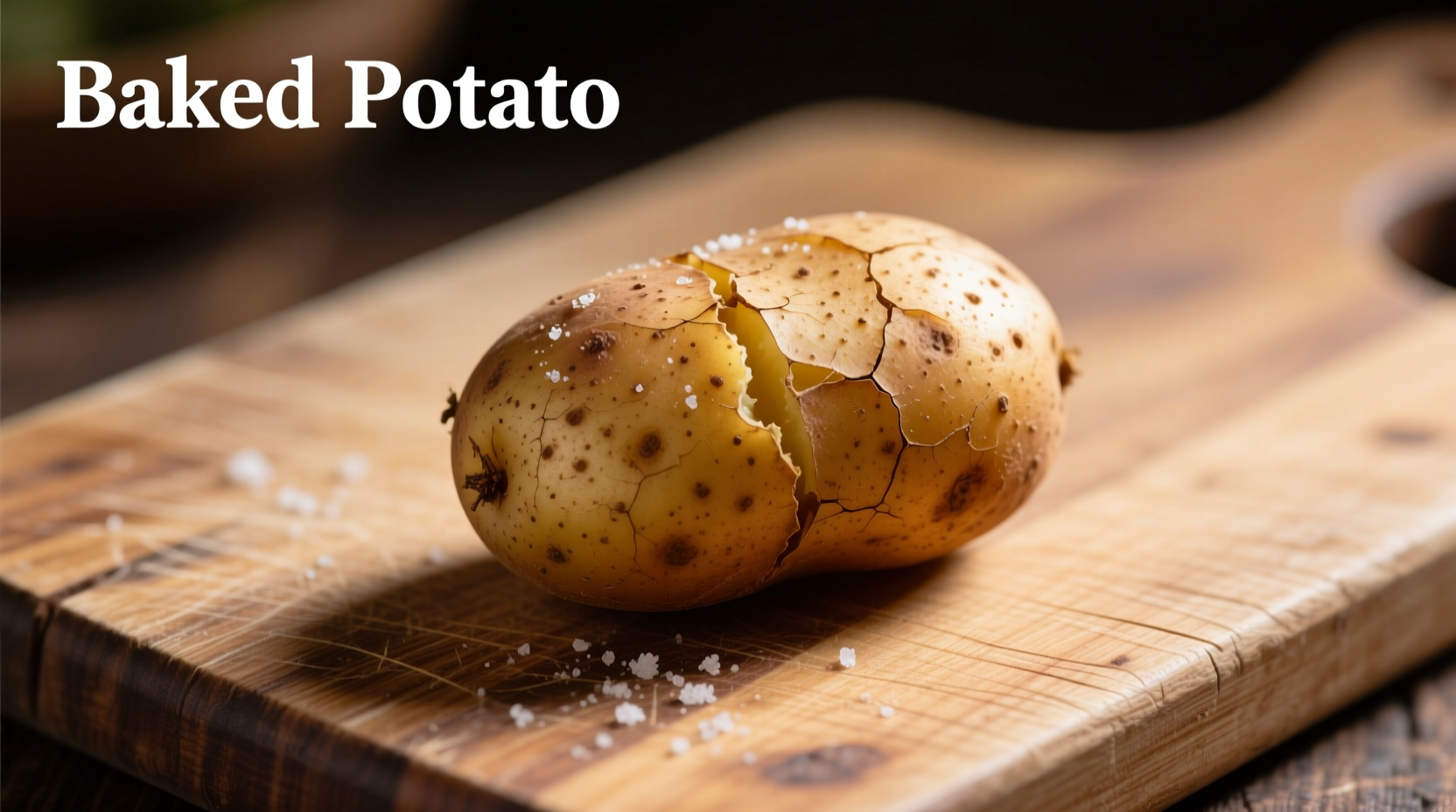
Your cooking method dramatically impacts the final calorie count. Here's how different preparations compare for a small potato:
- Baked with skin (no additions): 130-160 calories
- Baked with skin + 1 tbsp butter: 190-220 calories
- Baked with skin + 2 tbsp sour cream: 180-210 calories
- Baked with skin + 1 tbsp olive oil: 190-220 calories
- Microwave baked (no additions): 130-160 calories
- Boiled (no salt): 120-150 calories
This comparison demonstrates why preparation matters. The potato itself remains low-calorie, but high-calorie toppings can quickly transform it into a less diet-friendly option. For weight management, focus on healthy toppings like Greek yogurt, herbs, or a small amount of cheese.
Small Baked Potatoes in Different Diet Plans
Many people wonder if potatoes fit into specific dietary approaches. Here's how a small baked potato works within common eating patterns:
Weight Loss Diets
With approximately 150 calories and 3g of fiber, a small baked potato can be part of successful weight loss plans. The fiber content promotes satiety, helping you feel full longer. Research published in the Journal of Nutrition shows that high-fiber foods like potatoes with skin can support weight management when consumed as part of balanced meals.
Diabetes Management
People managing diabetes often avoid potatoes due to their carbohydrate content. However, a small baked potato has a moderate glycemic index (around 54-78 depending on preparation), and the fiber helps moderate blood sugar response. The American Diabetes Association recommends including potatoes in diabetes meal plans with appropriate portion control and pairing with protein and non-starchy vegetables.
Low-Carb and Ketogenic Diets
With about 30g of carbohydrates, a small baked potato generally doesn't fit strict low-carb or ketogenic diets that typically limit carbs to 20-50g daily. However, some modified low-carb approaches might include a small potato occasionally as a carbohydrate source.
Maximizing Nutritional Value: Smart Preparation Tips
Follow these evidence-based strategies to get the most nutritional benefit from your small baked potatoes:
- Keep the skin on: The skin contains nearly half the fiber and significant nutrients. Always wash thoroughly before baking.
- Avoid excessive oil: Instead of coating in oil before baking, try using cooking spray for minimal added calories.
- Cool before eating: Letting your potato cool slightly increases resistant starch content, which has additional gut health benefits.
- Pair with protein: Combine with lean protein sources like grilled chicken or fish to create a balanced meal that stabilizes blood sugar.
- Choose healthy toppings: Opt for Greek yogurt instead of sour cream, herbs instead of cheese, or salsa for flavor without excess calories.
Common Misconceptions About Potato Calories
Several myths persist about potatoes and their role in healthy eating:
- "Potatoes are fattening": Potatoes themselves are not inherently fattening. A small baked potato contains minimal fat and moderate calories. The issue arises with high-calorie toppings and preparation methods.
- "All potatoes have the same nutrition": Different varieties (russet, red, Yukon gold) have slightly different nutritional profiles, though the differences are relatively minor for calorie counting purposes.
- "Potatoes lack nutrients": Potatoes provide significant potassium, vitamin C, and B vitamins, especially when eaten with the skin.
Practical Applications for Daily Meal Planning
Here's how to incorporate small baked potatoes into your weekly meal planning:
- As a side dish: Replace higher-calorie sides like rice or pasta with a small baked potato (130-160 calories vs. 200+ for many grain sides).
- In meal prep: Bake several small potatoes at once and refrigerate for quick healthy meals throughout the week.
- For portion control: Using the small size (5 oz) helps manage carbohydrate intake while still providing satisfying volume.
- With balanced toppings: Try 1/4 avocado, 1 tbsp Greek yogurt, and chives for a nutrient-dense meal under 250 calories total.
When Small Baked Potatoes Might Not Fit Your Goals
While generally healthy, there are situations where you might want to limit potato consumption:
- During strict low-carb diet phases
- When managing certain digestive conditions like IBS (due to resistant starch content)
- When focusing on maximizing nutrient density per calorie (leafy greens provide more vitamins per calorie)
Remember that dietary needs are individual. What works for one person might need adjustment for another based on health conditions, activity levels, and personal goals.
Final Thoughts on Small Baked Potato Nutrition
A small baked potato provides a nutrient-rich, naturally low-calorie food option that fits well into most balanced eating patterns. By understanding the actual calorie content (130-160 for a 5-ounce potato with skin) and making smart preparation choices, you can enjoy this versatile food while meeting your nutritional goals. The key is focusing on the whole food rather than fearing carbohydrates, and being mindful of portion sizes and preparation methods that maintain its nutritional integrity.




 浙公网安备
33010002000092号
浙公网安备
33010002000092号 浙B2-20120091-4