
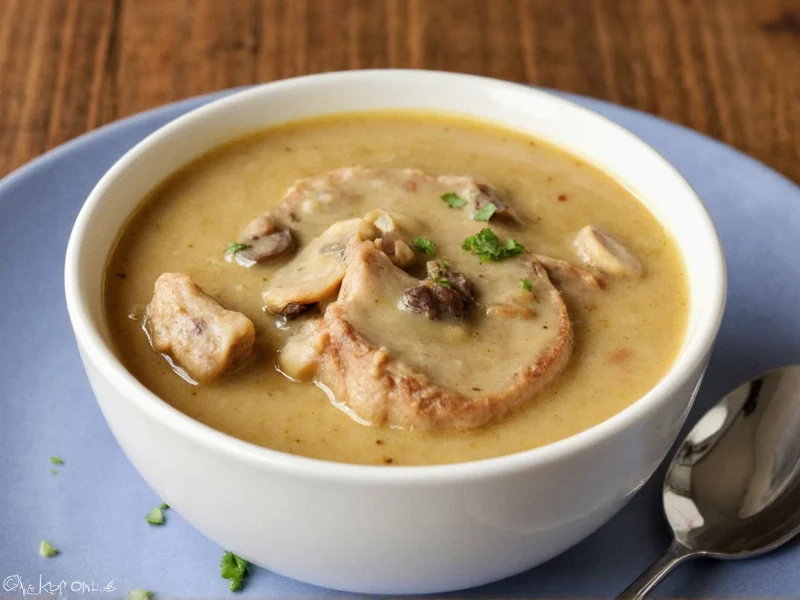
Slow cooker pork chops with cream of mushroom soup represent one of the most beloved comfort food combinations for busy home cooks. This classic recipe transforms simple pantry staples into a restaurant-quality meal with minimal effort. The magic happens as the pork chops slowly braise in the creamy mushroom sauce, becoming incredibly tender while absorbing rich umami flavors.
Why This Slow Cooker Pork Chop Recipe Works
The beauty of using cream of mushroom soup in a slow cooker pork chop recipe lies in its ability to create a velvety sauce without requiring roux preparation or constant monitoring. The condensed soup acts as both flavor enhancer and thickening agent, while the slow cooking process ensures the pork chops remain moist and tender rather than drying out.
Professional chefs often recommend bone-in pork chops for slow cooking because the bone helps retain moisture and adds flavor to the surrounding meat. The marbling in quality pork chops melts during the extended cooking time, basting the meat from within and creating that signature fall-apart texture home cooks seek.
Complete Ingredient List
For best results with your slow cooker pork chops and mushroom soup recipe, gather these ingredients:
- 6 bone-in pork chops (about 1 inch thick)
- 1 can (10.5 oz) condensed cream of mushroom soup
- 1 cup low-sodium chicken broth
- 1 teaspoon garlic powder
- 1 teaspoon onion powder
- 1/2 teaspoon black pepper
- 1/2 teaspoon paprika (optional for color)
- 2 tablespoons Worcestershire sauce
- 1 tablespoon olive oil (for searing)
- Fresh parsley (for garnish)
Equipment Checklist
Before starting your creamy mushroom soup pork chops crockpot recipe, ensure you have:
- 5-6 quart slow cooker
- Cast iron or heavy-bottomed skillet
- Meat thermometer
- Wooden spoon or silicone spatula
- Measuring cups and spoons
Step-by-Step Cooking Instructions
Follow these detailed steps for perfect slow cooker pork chops with cream of mushroom soup every time:
- Sear the pork chops: Heat olive oil in a skillet over medium-high heat. Pat pork chops dry with paper towels and season both sides with salt, pepper, garlic powder, and onion powder. Sear for 2-3 minutes per side until golden brown (this step is crucial for flavor development).
- Prepare the sauce: In a medium bowl, whisk together cream of mushroom soup, chicken broth, Worcestershire sauce, and paprika until smooth.
- Layer in slow cooker: Place seared pork chops in the slow cooker in a single layer. Pour the mushroom soup mixture evenly over the top.
- Cook: Cover and cook on LOW for 4-5 hours or HIGH for 2-3 hours. Avoid opening the lid frequently as this extends cooking time.
- Check temperature: Pork is done when it reaches 145°F internally. Remove chops carefully to avoid breaking.
- Thicken sauce (optional): If desired, mix 1 tablespoon cornstarch with 2 tablespoons cold water and stir into the sauce. Cook on HIGH for 15-20 minutes until thickened.
- Serve: Garnish with fresh parsley and serve immediately with the creamy mushroom sauce spooned over top.
Perfect Cooking Time Guidelines
Timing is critical for the best slow cooker pork chops recipe. Follow these temperature guidelines:
| Cooking Setting | Recommended Time | Internal Temperature | Texture Result |
|---|---|---|---|
| LOW | 4-5 hours | 145°F | Tender but maintains structure |
| HIGH | 2-3 hours | 145°F | Slightly more firm texture |
| LOW (thick chops) | 5-6 hours | 145°F | Extremely tender, almost falling apart |
Avoid These Common Mistakes
Many home cooks encounter issues with their crockpot pork chops and mushroom soup recipe. Prevent these common problems:
- Overcooking: Pork chops become dry and tough when cooked beyond 145°F. Use a meat thermometer for accuracy.
- Skipping the sear: Searing creates the Maillard reaction that develops complex flavors missing in unseared chops.
- Crowding the slow cooker: Arrange chops in a single layer with space between them for even cooking.
- Using boneless chops: Bone-in chops stay juicier during slow cooking due to the bone's insulating properties.
- Adding dairy too early: If modifying the recipe with sour cream or milk, add during the last 30 minutes to prevent curdling.
Delicious Variations and Substitutions
Customize your easy slow cooker pork chops with cream of mushroom soup recipe with these chef-approved variations:
- Dijon mustard version: Add 2 tablespoons Dijon mustard to the sauce for tangy depth.
- Mushroom upgrade: Sauté 8 oz sliced fresh mushrooms with the pork chops before transferring to slow cooker.
- Wine enhancement: Replace 1/2 cup broth with dry white wine for sophisticated flavor.
- Dairy-free option: Use dairy-free cream of mushroom soup and vegetable broth for lactose intolerance.
- Gluten-free adaptation: Choose gluten-free cream of mushroom soup or make your own sauce with cornstarch.
- Spicy kick: Add 1/4 teaspoon cayenne pepper or a few dashes of hot sauce to the mixture.
Serving Suggestions for Maximum Enjoyment
The rich, creamy sauce of this slow cooker pork chops with mushroom soup recipe pairs beautifully with:
- Garlic mashed potatoes (the ultimate comfort food pairing)
- Buttered egg noodles for quick weeknight meals
- Steamed rice to soak up the flavorful gravy
- Roasted vegetables like asparagus or green beans
- Crusty bread for dipping into the delicious sauce
For a complete meal, serve with a simple side salad of mixed greens with vinaigrette to cut through the richness of the pork chops.
Storage and Reheating Instructions
Proper storage ensures your creamy mushroom soup pork chops maintain quality:
- Refrigeration: Store in airtight container for up to 3-4 days
- Freezing: Freeze portions for up to 3 months (thaw overnight in refrigerator before reheating)
- Reheating on stove: Warm gently over medium-low heat, adding small amounts of broth if sauce has thickened too much
- Reheating in microwave: Cover and heat in 60-second intervals, stirring between each
- Slow cooker reheating: Warm on LOW setting for 1-2 hours, stirring occasionally
The flavor of this slow cooker pork chops and cream of mushroom soup recipe often improves after a day in the refrigerator as the flavors continue to meld.
Frequently Asked Questions
Can I use boneless pork chops in this slow cooker recipe?
Yes, but boneless pork chops require careful timing as they cook faster and can become dry. Reduce cooking time by 30-60 minutes and check temperature early. Bone-in chops generally yield better results in slow cooker applications due to their higher fat content and moisture retention.
How can I make the sauce thicker without altering flavor?
Create a slurry with 1 tablespoon cornstarch mixed with 2 tablespoons cold water. Stir this into the sauce during the last 20-30 minutes of cooking on HIGH setting. Alternatively, remove the pork chops and cook the sauce uncovered on HIGH for 20-30 minutes to reduce and thicken naturally.
Why did my pork chops turn out tough in the slow cooker?
Tough pork chops typically result from either undercooking (not reaching proper temperature) or overcooking (exceeding 160°F internal temperature). Pork chops contain less fat than other cuts, so precise temperature control is essential. Always use a meat thermometer and remove chops at 145°F for optimal tenderness.
Can I add vegetables to this slow cooker pork chop recipe?
Absolutely. Root vegetables like potatoes, carrots, and onions work well and can be added at the beginning. More delicate vegetables like peas or green beans should be added during the last hour of cooking. Arrange vegetables underneath the pork chops to prevent them from becoming mushy.
Is it necessary to sear the pork chops before slow cooking?
While not strictly necessary, searing creates the Maillard reaction which develops complex flavors and creates a beautiful crust that enhances both appearance and taste. Skipping this step results in less flavorful meat and a less visually appealing finished dish. The extra 5-6 minutes of searing significantly improves the final result.




 浙公网安备
33010002000092号
浙公网安备
33010002000092号 浙B2-20120091-4