
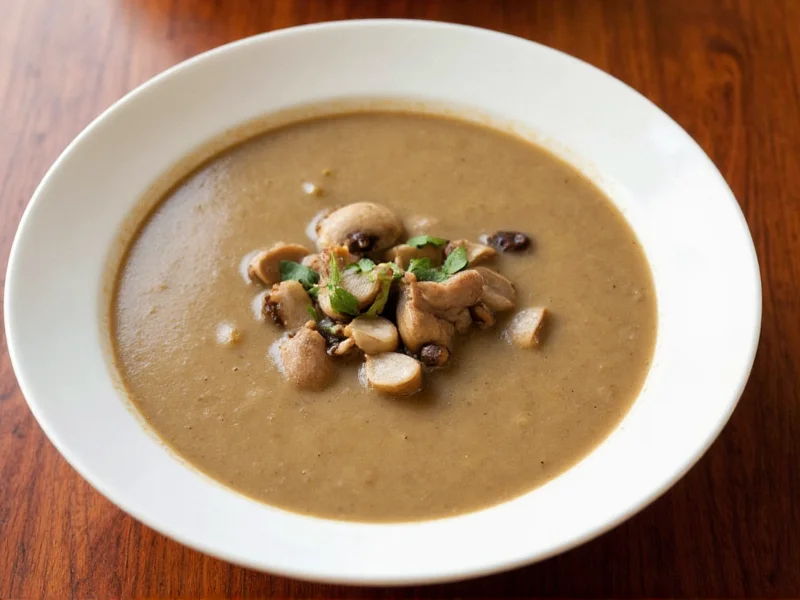
The simplest mushroom soup recipe requires just 6 basic ingredients: 1 lb (450g) mushrooms, 1 onion, 2 cloves garlic, 4 cups vegetable broth, 2 tbsp butter, and salt/pepper. Sauté mushrooms and onions until golden, add garlic and broth, simmer for 20 minutes, then blend until smooth. Ready in under 30 minutes with minimal cleanup.
Creating a delicious mushroom soup doesn't require fancy techniques or hard-to-find ingredients. This straightforward recipe delivers rich, earthy flavor with minimal effort—perfect for weeknight dinners or when you're craving comfort food without the complexity. What makes this version truly simple? We skip cream (though you can add it optionally), avoid complicated steps, and use common pantry staples you likely already have.
Why This Simple Mushroom Soup Recipe Works
Many mushroom soup recipes overcomplicate things with multiple mushroom varieties, special equipment, or lengthy preparation. Our approach focuses on maximizing flavor with minimal ingredients and steps. The secret lies in properly caramelizing the mushrooms—a crucial step that develops deep umami notes without needing cream or flour.
Essential Ingredients for Basic Mushroom Soup
Quality ingredients make all the difference in simple recipes where each component shines. Here's what you'll need for the best easy mushroom soup:
| Ingredient | Why It Matters | Simple Substitutions |
|---|---|---|
| Cremini mushrooms | Rich flavor, widely available, better texture than button mushrooms | Button mushrooms (less flavorful) or shiitake (more intense) |
| Yellow onion | Sweetness balances earthy mushrooms | Shallot or leek for milder flavor |
| Unsalted butter | Enhances mushroom flavor better than oil | Olive oil (for dairy-free version) |
| Low-sodium vegetable broth | Control salt levels while adding depth | Chicken broth or water with 1 tsp soy sauce |
Step-by-Step Simple Mushroom Soup Instructions
Preparation (5 minutes)
Clean mushrooms with a damp cloth (never soak them). Slice uniformly for even cooking. Finely dice onion and mince garlic. Having everything prepped before heating your pot ensures proper timing.
Cooking Process (20 minutes)
- Melt butter in large pot over medium-high heat
- Add mushrooms in single layer (work in batches if needed)
- Cook undisturbed for 4-5 minutes until golden brown on one side
- Stir and continue cooking until all liquid evaporates and mushrooms are deeply browned (8-10 minutes total)
- Add onions and cook until translucent (5 minutes)
- Add garlic and cook 1 minute until fragrant
- Pour in broth, bring to simmer, then reduce heat and cook 10 minutes
- Season with salt, pepper, and optional thyme
- Blend with immersion blender until smooth (or carefully transfer to countertop blender)
Avoiding Common Mushroom Soup Mistakes
Even simple recipes can go wrong. These easy mushroom soup pitfalls sabotage flavor and texture:
- Overcrowding the pan - Causes mushrooms to steam instead of brown. Cook in batches if necessary
- Adding salt too early - Draws out moisture prematurely. Wait until mushrooms start browning
- Using cold broth - Stops the caramelization process. Warm broth slightly before adding
- Over-blending hot soup - Creates pressure that can cause dangerous splatters. Let cool slightly first
Simple Variations for Different Diets
This basic mushroom soup recipe adapts easily to various dietary needs without complicating the process:
- Creamy version: Stir in 1/2 cup coconut milk at the end for dairy-free creaminess
- Protein boost: Add 1 cup white beans before blending for extra nutrition
- Gluten-free: Naturally gluten-free (no flour needed in this recipe)
- Low-sodium: Use homemade broth and omit added salt
Serving Suggestions for Your Simple Mushroom Soup
Elevate your easy mushroom soup with these quick finishing touches that require no extra cooking:
- Drizzle with truffle oil for gourmet flair
- Sprinkle with fresh thyme or chives
- Add crusty bread on the side for dipping
- Top with a dollop of Greek yogurt instead of sour cream
- Pair with a simple green salad for complete meal
Storage and Reheating Instructions
This simple mushroom soup recipe makes excellent leftovers with proper storage:
- Cool completely before storing (prevents condensation)
- Refrigerate in airtight container for up to 4 days
- Freeze for up to 3 months (leave out dairy if planning to freeze)
- Reheat gently on stove (not microwave) to preserve texture
- Stir in splash of broth if soup thickens too much after storage
Frequently Asked Questions
Can I make simple mushroom soup without an immersion blender?
Yes, you can make this easy mushroom soup recipe without special equipment. Let the soup cool slightly, then carefully transfer to a regular blender in batches. Never fill more than halfway and hold the lid with a towel to prevent hot soup explosions. Alternatively, leave it chunky for a rustic texture.
How do I prevent my simple mushroom soup from turning bitter?
Bitterness usually comes from overcooking garlic or burning mushrooms. Add garlic only during the last minute of sautéing, and maintain medium heat when browning mushrooms. If your soup does turn bitter, stir in 1/2 teaspoon of sugar or a splash of lemon juice to balance the flavor.
What's the best mushroom variety for a simple soup recipe?
Cremini (baby bella) mushrooms offer the best balance of flavor and availability for easy mushroom soup. They're more flavorful than white button mushrooms but milder than shiitakes. For ultra-simple preparation, use all one variety rather than mixing types, which requires different cooking times.
Can I make this simple mushroom soup recipe in advance?
Absolutely. This basic mushroom soup actually tastes better the next day as flavors meld. Prepare through step 7 (before blending), cool completely, then refrigerate. When ready to serve, reheat gently and blend. The soup will keep its fresh flavor for up to 3 days when stored properly.
How can I make my simple mushroom soup thicker without cream?
For a naturally thicker texture in your easy mushroom soup, try these cream-free methods: simmer uncovered for 5-10 extra minutes to reduce liquid, blend in 1/4 cup cooked potatoes, or stir in 2 tablespoons of pureed cannellini beans. These options add body while keeping the recipe dairy-free and simple.




 浙公网安备
33010002000092号
浙公网安备
33010002000092号 浙B2-20120091-4