
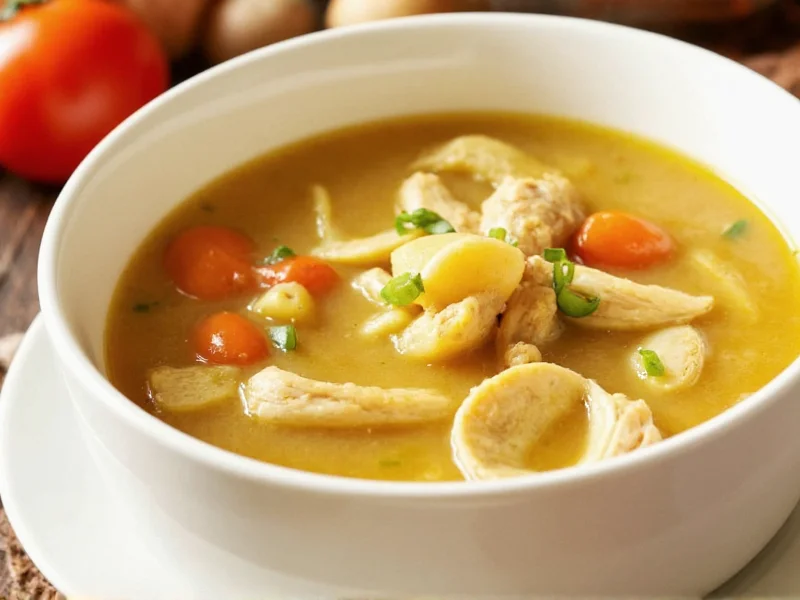
Classic Simple Chicken Soup Recipe Ready in 30 Minutes
Creating delicious homemade chicken soup doesn't need complicated techniques or hours of preparation. This straightforward recipe delivers authentic flavor with minimal effort, perfect when you need comfort food fast. Unlike store-bought versions loaded with preservatives and excessive sodium, this easy homemade chicken soup recipe gives you complete control while providing that nostalgic, soul-soothing taste everyone craves.
Why This Simple Chicken Soup Recipe Works
Many so-called "simple" chicken soup recipes still require multiple steps or specialty ingredients. Our version cuts through the complexity while preserving essential elements that make chicken soup so satisfying. The key is understanding which ingredients truly matter and which steps can be streamlined without sacrificing flavor.
This quick chicken soup with minimal ingredients focuses on fundamentals: quality broth, tender chicken, and aromatic vegetables. By using boneless, skinless chicken breasts instead of a whole chicken, we've eliminated lengthy broth preparation while maintaining rich flavor. This classic chicken soup recipe for beginners proves you don't need culinary expertise to create something special.
Essential Ingredients for Perfect Simple Chicken Soup
The beauty of this recipe lies in its simplicity. You likely already have most ingredients in your pantry. Here's what you'll need:
| Ingredient | Amount | Why It Matters |
|---|---|---|
| Chicken breasts | 1 pound (450g) | Provides lean protein that cooks quickly without needing deboning |
| Carrots | 2 medium, diced | Adds natural sweetness and texture |
| Celery | 2 stalks, diced | Contributes essential aromatic flavor |
| Yellow onion | 1 medium, diced | Forms the flavor foundation of the soup |
| Garlic | 2 cloves, minced | Enhances depth of flavor |
| Chicken broth | 4 cups (32 oz) | Use low-sodium for better flavor control |
| Olive oil | 1 tablespoon | For sautéing vegetables |
| Salt and pepper | To taste | Essential seasoning |
Step-by-Step Instructions for Simple Chicken Soup
Follow these straightforward steps for perfect chicken soup every time:
- Sauté the vegetables: Heat olive oil in a large pot over medium heat. Add onions, carrots, and celery. Cook for 5-7 minutes until vegetables begin to soften.
- Add garlic: Stir in minced garlic and cook for 30 seconds until fragrant (be careful not to burn it).
- Pour in broth: Add chicken broth and bring to a gentle boil.
- Add chicken: Place chicken breasts in the broth, reduce heat to low, and cover. Simmer for 15-20 minutes until chicken is cooked through.
- Shred chicken: Remove chicken and shred with two forks, then return to the pot.
- Season: Add salt and pepper to taste. For extra flavor, add a pinch of dried thyme or parsley.
- Serve: Ladle into bowls and enjoy hot.
Common Mistakes to Avoid
Even simple chicken soup recipes can go wrong if you make these common errors:
- Boiling too vigorously: A gentle simmer preserves texture and prevents cloudiness
- Overcooking vegetables: Add delicate vegetables like peas or spinach in the last 5 minutes
- Using too much salt: Start with 1/4 teaspoon and adjust at the end
- Skipping the sauté step: Cooking vegetables first builds better flavor
- Adding chicken too early: This can make it tough and stringy
Storage and Reheating Tips
This easy weeknight chicken soup recipe actually improves in flavor when stored properly:
- Refrigeration: Store in airtight container for up to 4 days
- Freezing: Freeze for up to 3 months (remove chicken if freezing long-term)
- Reheating: Warm gently on stove over medium-low heat; avoid boiling
- Reviving leftovers: Add a splash of fresh broth when reheating to restore consistency
Simple Variations to Try
Once you've mastered the basic chicken soup recipe with vegetables, try these easy adaptations:
- For colds: Add extra garlic and a squeeze of lemon juice for immune support
- Creamy version: Stir in 1/4 cup heavy cream at the end for richness
- Gluten-free: Naturally gluten-free; ensure your broth is certified GF
- Low-carb: Increase celery and add zucchini instead of carrots
- With noodles: Add 1 cup cooked egg noodles just before serving
Why This Recipe Beats Canned Soup
Commercial chicken soups often contain high sodium levels (up to 800mg per serving), artificial flavors, and preservatives. Our 30 minute chicken soup recipe gives you complete control while delivering superior flavor. The difference becomes especially apparent when you're feeling under the weather—nothing compares to homemade soup made with care.
| Product | Sodium per 1-Cup Serving | Source |
|---|---|---|
| Typical canned chicken noodle soup | 700-900 mg | USDA FoodData Central |
| Homemade (this recipe, using low-sodium broth) | 250-350 mg | Calculation: 4 cups low-sodium broth (140mg/cup) + 1/4 tsp added salt (500mg total) = 1,060mg total sodium for 4 servings |
Unlike many traditional chicken soup recipes without broth that require hours of simmering a whole chicken, this streamlined version delivers satisfying results in half an hour. The key is using quality low-sodium broth as your base while still incorporating fresh elements that canned versions lack. This simple chicken soup recipe for colds provides hydration, electrolytes, and easily digestible protein that can help when you're sick.
Historical Context: Chicken Soup Through the Ages
Chicken soup's reputation as a remedy isn't just folklore—it has documented roots stretching back centuries:
- 1190 AD: Jewish physician Moses Maimonides recommended chicken soup for respiratory ailments in his medical treatise "On Asthma," establishing its therapeutic use in Mediterranean traditions. Source
- 1970s: The term "Jewish penicillin" entered mainstream culture, reflecting generations of traditional use for cold relief. Source
- 2000: University of Nebraska researchers confirmed anti-inflammatory properties, demonstrating how soup components inhibit neutrophil migration (a key factor in cold symptoms). Source
When Chicken Soup Helps (and When It Doesn't)
While this recipe provides comfort during minor illnesses, understanding its limitations is crucial for effective use:
- Optimal for: Mild cold symptoms where hydration and electrolyte balance are priorities. The steam helps clear nasal passages while warmth soothes sore throats.
- Not a medical treatment: Does not shorten illness duration or replace professional care for severe symptoms like high fever or difficulty breathing. CDC guidelines emphasize it as supportive care only.
- Key constraints: Unsuitable for severe dehydration (use oral rehydration solutions instead). Hypertension patients should monitor sodium even in homemade versions.




 浙公网安备
33010002000092号
浙公网安备
33010002000092号 浙B2-20120091-4