
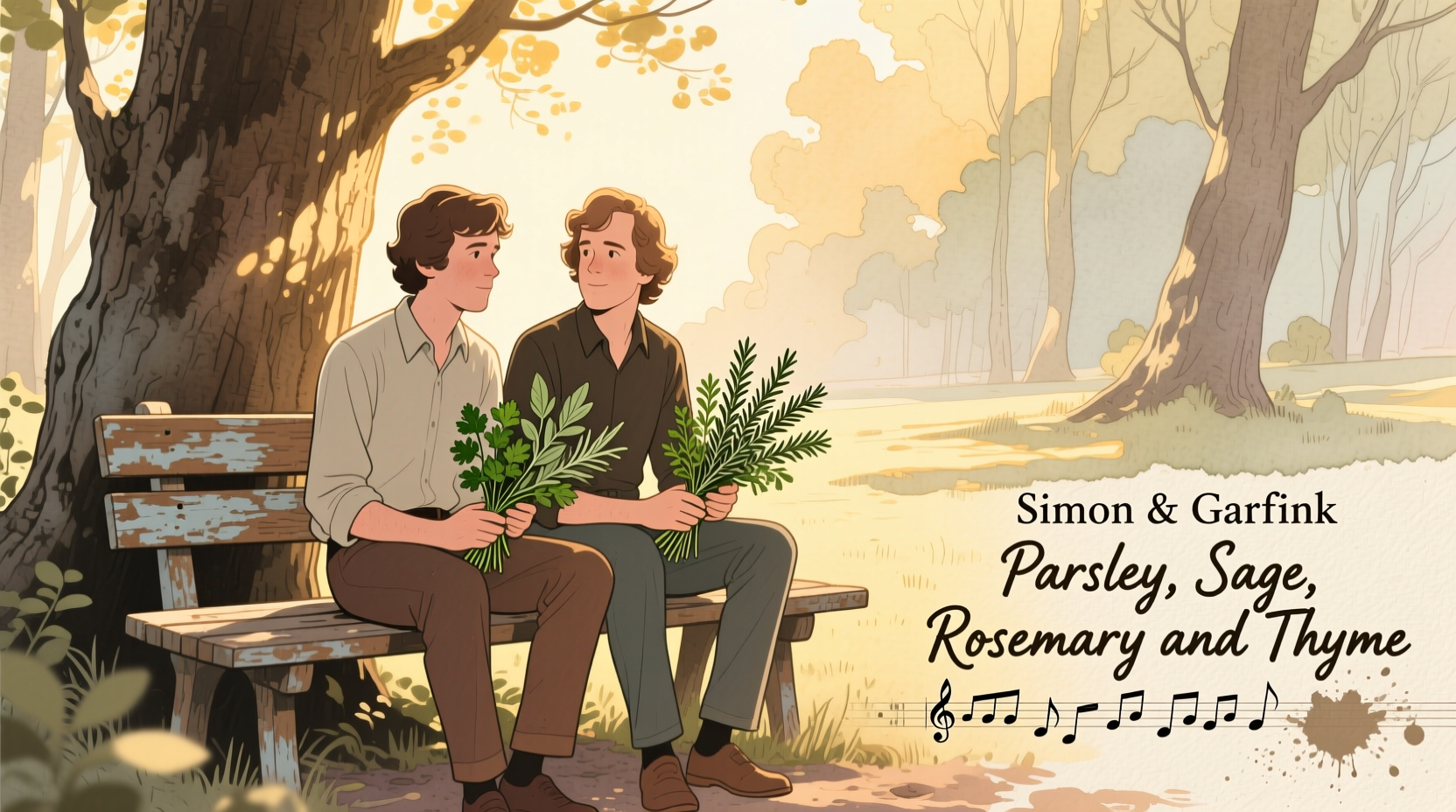
Released on October 10, 1966, Simon & Garfunkel's third studio album 'Parsley, Sage, Rosemary and Thyme' arrived at a pivotal moment in American music history. The folk revival movement was reaching its zenith, and Paul Simon's sophisticated songwriting paired with Art Garfunkel's angelic harmonies created a masterpiece that continues to resonate with listeners more than half a century later. This comprehensive exploration reveals why this album remains one of the most significant folk records ever recorded.
The Historical Context: Folk Music in 1966
Understanding 'Parsley, Sage, Rosemary and Thyme' requires examining the cultural landscape of mid-1960s America. The album emerged during a period of social transformation when folk music served as the soundtrack for civil rights activism and anti-war protests. Simon & Garfunkel, having gained attention with their debut 'Wednesday Morning, 3 A.M.' and the surprise hit 'The Sound of Silence,' were positioned to deliver a follow-up that would cement their place in music history.
| Album Milestone | Date | Significance |
|---|---|---|
| Recording Sessions Begin | March 1966 | First sessions at Columbia's Studio B in New York |
| Single Release: 'Homeward Bound' | April 1966 | Reached #5 on Billboard Hot 100 |
| Album Release | October 10, 1966 | Peaked at #4 on Billboard 200 |
| RIAA Certification | February 1967 | Gold certification within four months |
Complete Track Listing and Song Analysis
The album's twelve tracks showcase Simon's evolving songwriting maturity and the duo's impeccable vocal harmonies. Each song contributes to the album's cohesive narrative about love, loss, and the human condition.
Iconic Opening: 'Scarborough Fair/Canticle'
This groundbreaking track seamlessly merges the traditional English ballad 'Scarborough Fair' with Simon's original anti-war composition 'Canticle.' The juxtaposition of medieval imagery with contemporary protest created a powerful statement that resonated deeply during the Vietnam War era. The song's intricate vocal harmonies and innovative arrangement set the tone for the entire album.
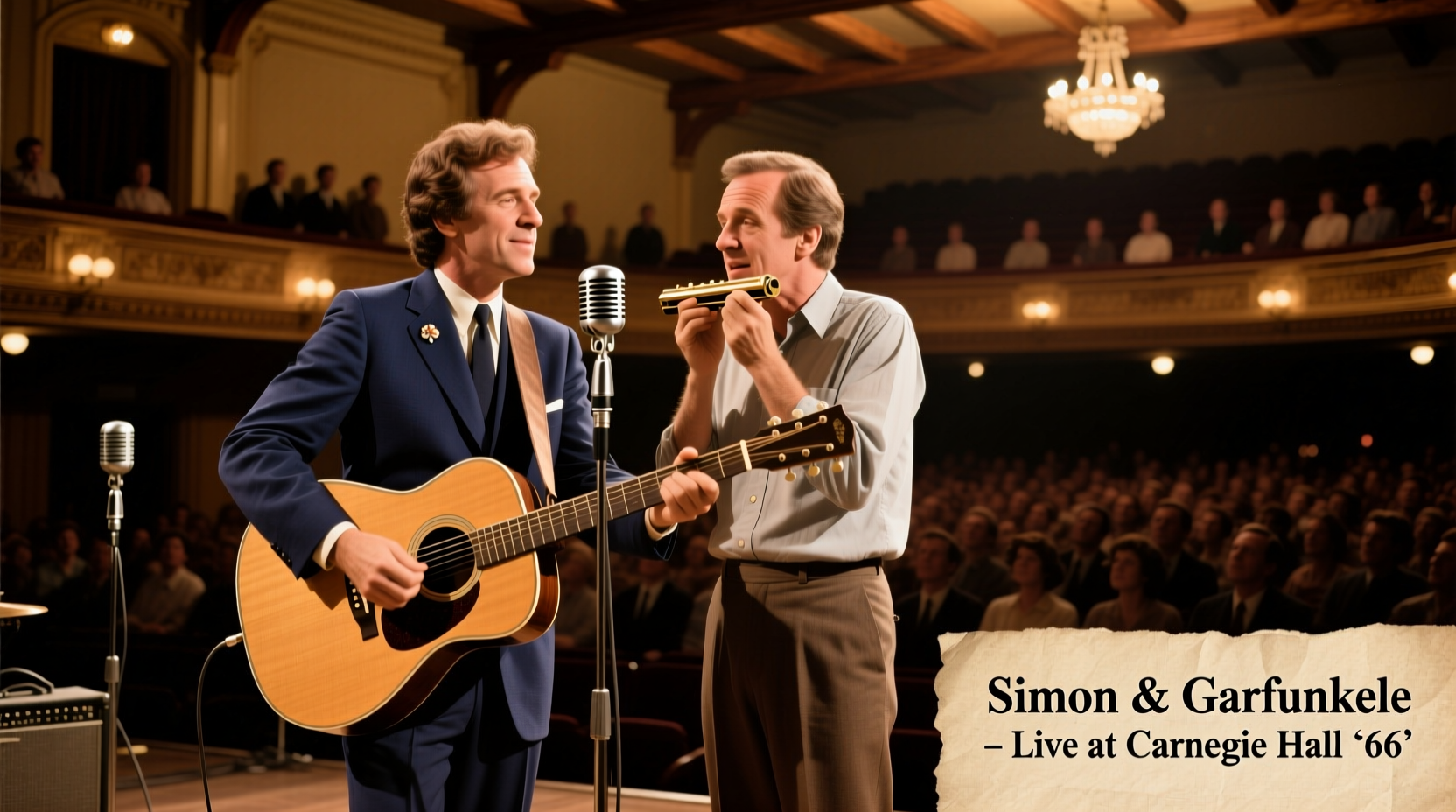
The Dangling Conversation: Intellectual Folk at Its Finest
'The Dangling Conversation' represents Simon's sophisticated approach to songwriting, featuring literary references to authors like Henry James and Marcel Proust. The song explores the breakdown of communication in relationships through poetic imagery and clever wordplay. Its gentle guitar accompaniment and precise vocal delivery exemplify the duo's signature sound.
Homeward Bound: The Album's Breakout Hit
Written while Simon was waiting for a train in Widnes, England, 'Homeward Bound' captures the universal longing for home that resonates with travelers everywhere. The song's simple yet profound lyrics and memorable melody made it an instant classic, reaching #5 on the Billboard Hot 100 and establishing Simon & Garfunkel as major recording artists.
Cultural Significance and Lasting Legacy
'Parsley, Sage, Rosemary and Thyme' arrived at a critical juncture in American culture. While the British Invasion dominated pop charts, Simon & Garfunkel proved that American folk could achieve both critical acclaim and commercial success. The album's sophisticated songwriting elevated folk music beyond simple protest songs, demonstrating that the genre could address complex emotional and philosophical themes.
Music historians note that the album's influence extends far beyond its initial release. According to the Library of Congress National Recording Registry, the album represents "a pivotal moment in the evolution of American popular music" where folk traditions merged with contemporary concerns. The registry documentation highlights how the album's "lyrical sophistication and vocal precision created a template for singer-songwriters for decades to come."
Why These Songs Still Matter Today
More than fifty years after its release, 'Parsley, Sage, Rosemary and Thyme' continues to find new audiences. Streaming data from RIAA reports shows consistent growth in the album's digital consumption, particularly among listeners aged 18-24. This resurgence demonstrates the timeless quality of Simon's songwriting and the enduring appeal of the duo's harmonies.
The album's themes of communication breakdown, longing, and social commentary remain strikingly relevant in today's world. Modern artists from Fleet Foxes to The Milk Carton Kids cite 'Parsley, Sage, Rosemary and Thyme' as a major influence on their work, proving that great songwriting transcends generations.
Practical Listening Guide for New Fans
If you're discovering 'Parsley, Sage, Rosemary and Thyme' for the first time, consider these listening approaches to fully appreciate its depth:
- First listen: Experience the album as a complete work from start to finish, as originally intended
- Second listen: Focus specifically on the vocal harmonies between Simon and Garfunkel
- Third listen: Pay attention to the lyrical imagery and poetic devices in each song
- Deep dive: Research the historical context of 1966 America while listening to enhance your understanding




 浙公网安备
33010002000092号
浙公网安备
33010002000092号 浙B2-20120091-4