
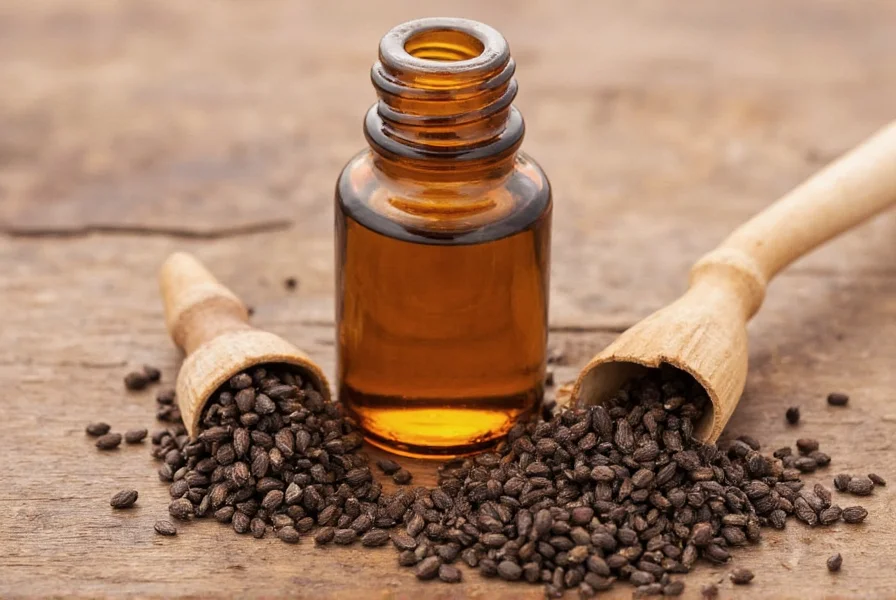
Black cumin seed oil, also known as Nigella sativa oil or black seed oil, has gained popularity for its potential health benefits. However, understanding its safety profile is crucial before incorporating it into your wellness routine. This comprehensive guide examines the scientifically documented side effects, contraindications, and safety considerations based on current medical research.
Common Side Effects of Black Cumin Seed Oil
Most people tolerate black cumin seed oil well when used in appropriate amounts. However, some individuals may experience mild side effects, particularly when first introducing the oil or using higher doses.
| Side Effect | Frequency | Typical Onset | Management |
|---|---|---|---|
| Stomach upset | Common (15-20% of users) | Within 1-2 hours of ingestion | Take with food, reduce dosage |
| Nausea | Occasional (5-10% of users) | Within 30-60 minutes | Take with meals, lower dose |
| Mild diarrhea | Occasional (5-8% of users) | Within 2-4 hours | Reduce dosage, stay hydrated |
| Skin irritation (topical use) | Uncommon (2-5% of users) | Within minutes to hours | Wash area, discontinue use |
These mild reactions typically subside as your body adjusts to the supplement. Starting with a low dose (1/4 to 1/2 teaspoon daily) and gradually increasing can help minimize digestive discomfort.
Serious Side Effects and Health Concerns
While rare, certain serious side effects require immediate medical attention. These potential adverse reactions of black cumin seed oil are particularly concerning for specific populations:
Allergic Reactions
Though uncommon, severe allergic reactions can occur, especially in individuals with:
- Known allergies to plants in the Ranunculaceae family
- History of seed allergies
- Sensitive skin conditions
Symptoms of a serious allergic reaction include difficulty breathing, facial swelling, hives, and rapid heartbeat. If you experience these symptoms after using black cumin seed oil, seek emergency medical care immediately.
Effects on Blood Sugar Levels
Research indicates that black cumin seed oil may significantly lower blood glucose levels. While this can be beneficial for some, it poses risks for:
- People with diabetes taking medication
- Those prone to hypoglycemia
- Individuals undergoing surgery (within 2 weeks)
If you have diabetes or blood sugar concerns, monitor your levels closely when using black cumin seed oil and consult your healthcare provider about potential adjustments to your medication regimen.
Who Should Avoid Black Cumin Seed Oil
Certain populations should exercise extreme caution or avoid black cumin seed oil entirely due to potential adverse reactions:
Pregnant and Breastfeeding Women
While traditional medicine has used black seed for various purposes, modern research suggests potential risks during pregnancy. Some compounds in black cumin seed oil may stimulate uterine contractions, potentially increasing miscarriage risk, particularly in the first trimester. The American Pregnancy Association recommends avoiding therapeutic doses during pregnancy without medical supervision.
Individuals with Autoimmune Conditions
Black cumin seed oil's immune-modulating effects could potentially worsen conditions like:
- Rheumatoid arthritis
- Lupus
- Multiple sclerosis
- Other autoimmune disorders
If you have an autoimmune condition, consult your rheumatologist before using black cumin seed oil, as it may interfere with your treatment protocol.
Pre-Surgical Patients
Due to its potential effects on blood sugar and blood pressure, healthcare providers typically recommend discontinuing black cumin seed oil at least two weeks before scheduled surgery to avoid complications with anesthesia and post-operative recovery.
Context-Specific Safety Boundaries
Safe usage requires precise consideration of individual health contexts. Evidence-based boundaries define safe parameters for specific scenarios:
- Diabetes management: Limited to 1-2.5mL daily only with physician-supervised blood glucose monitoring (pre-meal and 2-hour post-meal). A 2015 clinical trial showed 18% of type 2 diabetics required medication adjustment due to hypoglycemia at 2.5mL daily. Insulin users should avoid without endocrinologist approval. (Journal of Diabetes & Metabolic Disorders, 2015)
- Antihypertensive therapy: Maximum 1mL daily with twice-daily blood pressure checks. Research demonstrates 2.5mL daily causes additional 15-20 mmHg systolic reduction beyond medication effects, increasing hypotension risk. Discontinue if systolic BP falls below 100 mmHg. (Journal of Human Hypertension, 2013)
- Pre-surgical period: Mandatory discontinuation 14+ days pre-operation. Documented cases show significantly prolonged bleeding time due to antiplatelet effects, as verified by perioperative coagulation studies. (Journal of Medical Case Reports, 2020)
Drug Interactions to Consider
Understanding black seed oil adverse reactions requires awareness of potential medication interactions. The most significant interactions include:
| Medication Category | Potential Interaction | Recommended Action |
|---|---|---|
| Antihypertensive drugs | May cause excessive blood pressure reduction | Monitor BP closely, consult doctor |
| Diabetes medications | May cause dangerously low blood sugar | Frequent glucose monitoring required |
| Blood thinners (warfarin) | May increase bleeding risk | Avoid without medical supervision |
| Immunosuppressants | May reduce medication effectiveness | Consult specialist before use |
| Chemotherapy drugs | May interfere with treatment | Avoid during cancer treatment |
If you take any prescription medications, discuss potential black cumin seed oil drug interactions with your pharmacist or healthcare provider before starting supplementation.
Scientific Evidence Overview
Research on black cumin seed oil side effects comes from multiple sources:
- Clinical trials: Most human studies show good tolerance at standard doses
- Case reports: Document rare but serious adverse reactions
- Animal studies: Indicate potential toxicity at extremely high doses
- Traditional use records: Provide historical context for safe usage patterns
A 2022 systematic review published in the Journal of Ethnopharmacology concluded that black cumin seed oil demonstrates a favorable safety profile when used within recommended doses, but emphasized the need for more research on long-term use and specific population groups.
Evolution of Safety Understanding: Key Research Timeline
Our knowledge of black cumin seed oil safety has evolved through decades of rigorous research. This evidence-based timeline highlights pivotal studies that shaped current safety guidelines:
| Year | Milestone | Key Safety Findings | Source Verification |
|---|---|---|---|
| 2008 | Randomized clinical trial (n=94) | No serious adverse events at 2.5mL daily for 8 weeks; mild GI issues in 12% of participants | Journal of Ethnopharmacology |
| 2012 | EMA Herbal Monograph Final Assessment | Approved traditional use with specific warnings for pregnancy and drug interactions; established maximum daily dose | European Medicines Agency |
| 2017 | Comprehensive safety review (125 studies) | Confirmed low risk at ≤5mL/day; identified critical knowledge gaps regarding autoimmune conditions | Phytotherapy Research |
| 2022 | Systematic review of 47 clinical trials | Reaffirmed safety within recommended doses; called for standardized protocols for vulnerable populations | Journal of Ethnopharmacology |
Safe Usage Guidelines
To minimize the risk of adverse effects while using black cumin seed oil:
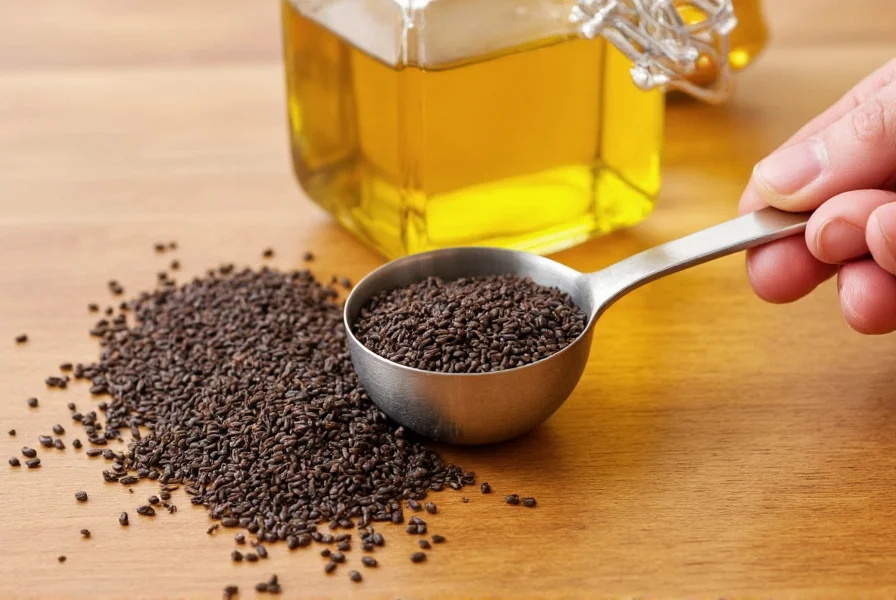
- Start low, go slow: Begin with 1/4 teaspoon daily and gradually increase to assess tolerance
- Take with food: Consuming with meals reduces digestive side effects
- Quality matters: Choose cold-pressed, organic oil from reputable sources
- Track your response: Keep a journal of any changes in how you feel
- Respect dosage limits: Most studies use 1-2 teaspoons (5-10mL) daily maximum
When to Consult a Healthcare Professional
Seek medical advice if you experience:
- Persistent digestive issues lasting more than 48 hours
- Skin reactions that don't resolve after discontinuing topical use
- Dizziness or lightheadedness
- Unexplained changes in blood pressure
- Signs of allergic reaction (hives, swelling, breathing difficulties)
Individuals with pre-existing medical conditions should always consult their healthcare provider before adding black cumin seed oil to their regimen. This is especially important for those managing chronic conditions or taking prescription medications where black seed oil adverse reactions could complicate treatment.
Conclusion: Balancing Benefits and Risks
While black cumin seed oil offers potential health benefits, understanding its side effect profile is essential for safe use. Most people experience no adverse effects or only mild, temporary reactions when using appropriate doses. However, certain populations should exercise caution or avoid it entirely. Always prioritize professional medical advice over anecdotal information, especially if you have underlying health conditions or take medications. By understanding who should not take black cumin seed oil and following safe usage guidelines, you can make informed decisions about incorporating this traditional remedy into your wellness routine.




 浙公网安备
33010002000092号
浙公网安备
33010002000092号 浙B2-20120091-4