
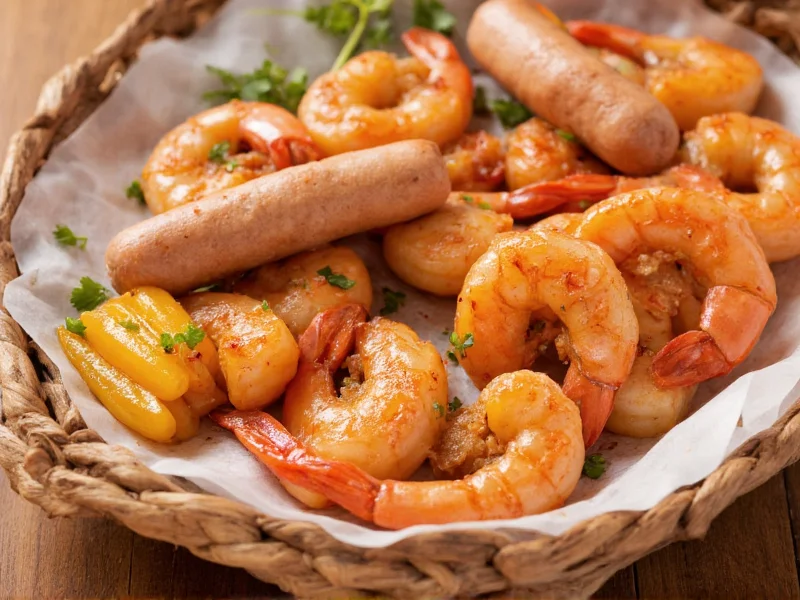
When combining shrimp and sausage in recipes, understanding the proper technique is crucial for optimal results. The magic happens when the natural sweetness of shrimp meets the smoky, spiced notes of quality sausage. This pairing works particularly well because shrimp absorbs surrounding flavors while maintaining its delicate texture, and sausage releases flavorful fats that enhance the entire dish.
Historical Evolution of Shrimp and Sausage Pairings
This culinary tradition emerged in early 19th-century Louisiana when Acadian settlers adapted French sausage-making techniques to local ingredients, pairing smoked pork sausages with abundant Gulf shrimp. The practice evolved through the "holy trinity" vegetable base (bell peppers, onions, celery) introduced by Spanish and African influences, with andouille becoming standardized in recipes by the 1880s. Modern popularity surged after World War II through Louisiana cookbooks and television chefs, transforming regional fare into nationally recognized cuisine. Documentation from the Southern Foodways Alliance confirms this progression through oral histories and 19th-century plantation records showing consistent use of smoked meats with shellfish.
Best Sausage Varieties for Shrimp Dishes
Not all sausages work equally well with shrimp. Andouille sausage remains the top choice for traditional Cajun and Creole preparations due to its coarse texture and complex spice profile featuring paprika, garlic, and cayenne. Smoked sausage provides a more subtle flavor that won't overpower the shrimp, making it ideal for beginners. For those preferring milder options, kielbasa offers a gentler garlic-forward profile that complements rather than dominates the seafood.
When selecting sausage for shrimp recipes, look for products with visible meat chunks rather than homogenized textures. High-quality sausages contain at least 60% meat content with minimal fillers. Avoid pre-cooked sausages labeled as 'heat and serve' as they often contain preservatives that affect flavor when cooked further.
Proper Shrimp Selection and Preparation
The size and preparation of shrimp significantly impact your final dish. Medium to large shrimp (31-40 count per pound) work best as they maintain texture during cooking. Always choose shrimp with firm, translucent flesh and avoid any with black spots or ammonia odors. For most shrimp and sausage recipes, 1 pound of shrimp serves 4 people when combined with sausage and other ingredients.
| Shrimp Size | Count per Pound | Best Cooking Method |
|---|---|---|
| Small | 51-60 | Quick sauté or addition to soups |
| Medium | 41-50 | Ideal for most shrimp sausage dishes |
| Large | 31-40 | Skillet cooking, grilling |
| Extra Large | 21-30 | Specialty dishes, less common with sausage |
Essential Cooking Techniques for Perfect Results
The key to exceptional shrimp and sausage dishes lies in proper cooking sequence. Always cook sausage first to render its fat, which then flavors the entire dish. Remove sausage before adding shrimp to prevent overcooking either ingredient. Shrimp requires just 2-3 minutes per side depending on size, while sausage needs 8-10 minutes to develop proper browning.
For authentic Cajun flavor profiles, build your dish in this sequence: sausage, then the 'holy trinity' of diced bell peppers, onions, and celery, followed by garlic, spices, tomatoes, and finally shrimp. This layering technique creates complex flavors while ensuring each ingredient reaches its ideal doneness.
Classic Shrimp and Sausage Recipe
Try this foolproof one-pot method for perfect results every time:
- Heat 1 tablespoon oil in a large skillet over medium-high heat
- Add 1 pound smoked sausage, sliced into 1/2-inch rounds, cook until browned (8-10 minutes)
- Remove sausage, set aside
- Add 1 diced bell pepper, 1 diced onion, and 2 stalks diced celery; cook until softened (5-7 minutes)
- Add 4 minced garlic cloves, 1 teaspoon paprika, 1/2 teaspoon cayenne, and 1 teaspoon dried thyme; cook 1 minute
- Return sausage to pan with 1 (14.5 oz) can diced tomatoes (undrained)
- Cook 10 minutes to blend flavors
- Add 1 pound peeled and deveined shrimp, cook 2-3 minutes until shrimp turn pink
- Stir in 2 tablespoons chopped parsley before serving
Avoiding Common Mistakes
Many home cooks make critical errors that compromise shrimp and sausage dishes. Overcooking shrimp remains the most frequent issue - they should curl into a loose 'C' shape when perfectly cooked. Adding shrimp too early to the cooking process results in rubbery texture. Using pre-cooked shrimp with already cooked sausage creates doubly overcooked seafood.
Another common mistake involves improper seasoning. Many recipes call for adding salt after cooking sausage, as most sausages contain sufficient sodium. Always taste before adding additional salt. For authentic flavor development, don't skip the crucial step of creating a fond (browned bits) in the pan before adding vegetables.
Context-Specific Limitations and Adaptations
Certain scenarios require modifications to achieve optimal results. This pairing fundamentally changes when accommodating dietary restrictions or using unconventional equipment, as verified by food safety research:
| Scenario | Key Limitation | Required Adaptation |
|---|---|---|
| Shellfish allergy | Shrimp substitution alters flavor chemistry | Use chicken thigh cubes; add 1 tsp fish sauce for umami depth |
| Low-sodium diets | Standard sausage exceeds daily limits (600-800mg/serving) | Substitute turkey sausage; reduce quantity by 25% and add smoked paprika |
| Slow cooker preparation | Extended heat exposure destroys shrimp texture | Cook sausage/veggies in slow cooker, add shrimp during final 10 minutes |
Source: University of Wyoming Extension Seafood Safety Guidelines (2022) EB2015-12
Storage and Reheating Guidelines
Proper storage maintains quality for leftovers. Cool cooked shrimp and sausage dishes completely before refrigerating in airtight containers. They keep well for 3-4 days in the refrigerator. For longer storage, freeze portions in freezer-safe containers for up to 2 months.
When reheating, avoid the microwave if possible as it often makes shrimp rubbery. Instead, gently warm leftovers in a covered skillet over low heat with a splash of water or broth to maintain moisture. If using a microwave, cover the dish and use 50% power in 30-second intervals, stirring between each interval.
Nutritional Considerations
A standard serving (1.5 cups) of shrimp and sausage dish contains approximately 350-450 calories, with 25-30g protein, 15-20g fat, and 20-25g carbohydrates. Shrimp provides lean protein and selenium, while sausage contributes iron and B vitamins. For lighter versions, use turkey sausage and increase vegetable content while reducing sausage quantity by 25%.




 浙公网安备
33010002000092号
浙公网安备
33010002000092号 浙B2-20120091-4