
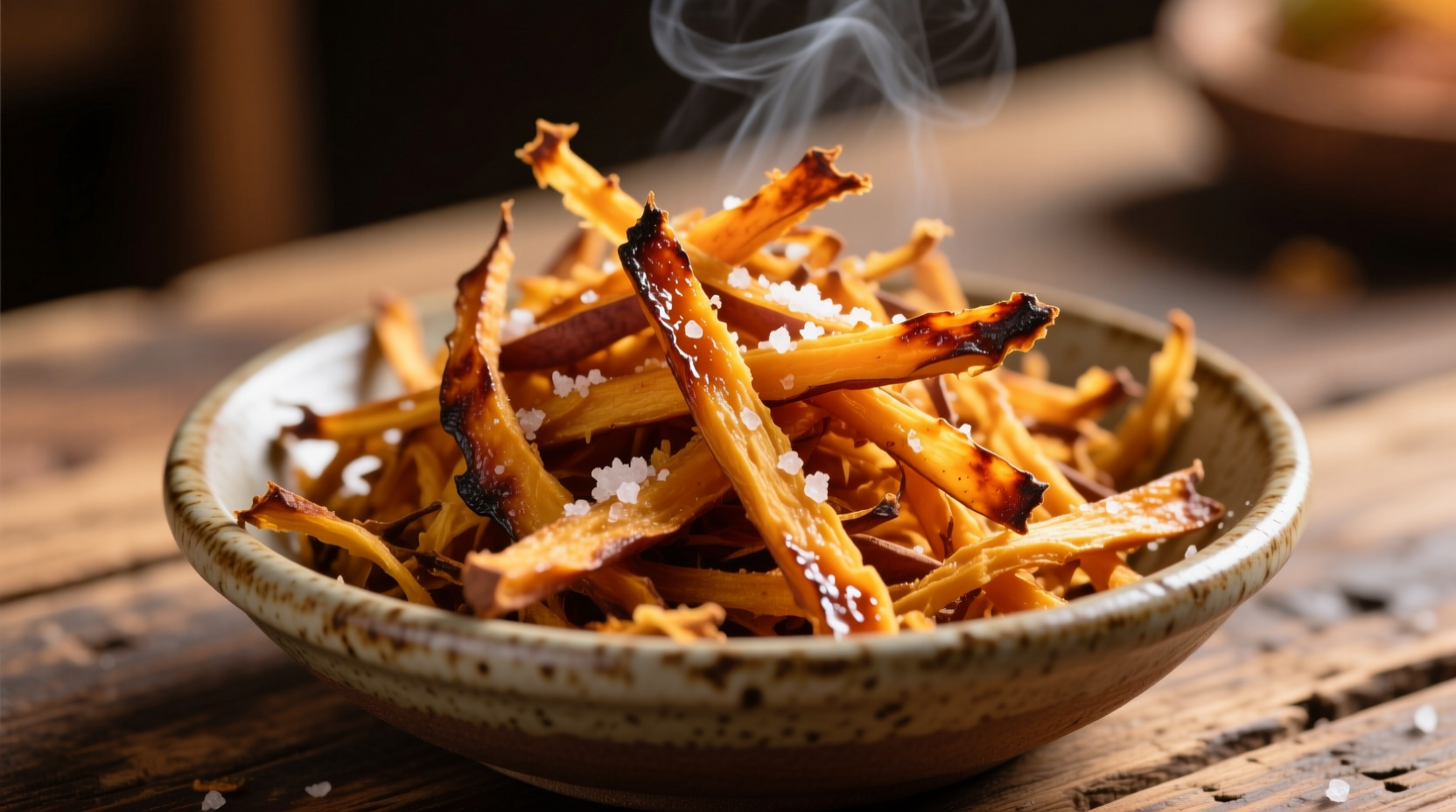
Discover why shredded sweet potato has become a kitchen game-changer for home cooks and professional chefs alike. This versatile preparation method unlocks culinary possibilities you never knew existed with this humble root vegetable. Whether you're rushing through a weeknight dinner or planning weekend brunch, understanding how to work with shredded sweet potato transforms your cooking experience.
Why Shredding Makes All the Difference
When you shred sweet potatoes instead of cubing them, you dramatically increase their surface area while decreasing thickness. This simple technique change creates multiple advantages:
- Reduced cooking time - From 25-30 minutes for cubes to just 8-12 minutes for shredded
- Improved texture control - Achieve perfect crispness without dryness
- Better flavor absorption - Shreds soak up seasonings more effectively
- Easier meal integration - Blend seamlessly into dishes like breakfast hashes and vegetable patties
Food science explains why this works: the increased surface area allows heat to penetrate more quickly while the thin strands cook evenly without the center remaining undercooked. According to USDA research on root vegetable preparation, shredded sweet potatoes reach optimal tenderness at 190°F (88°C), approximately 40% faster than cubed equivalents.
Mastering the Shredding Process
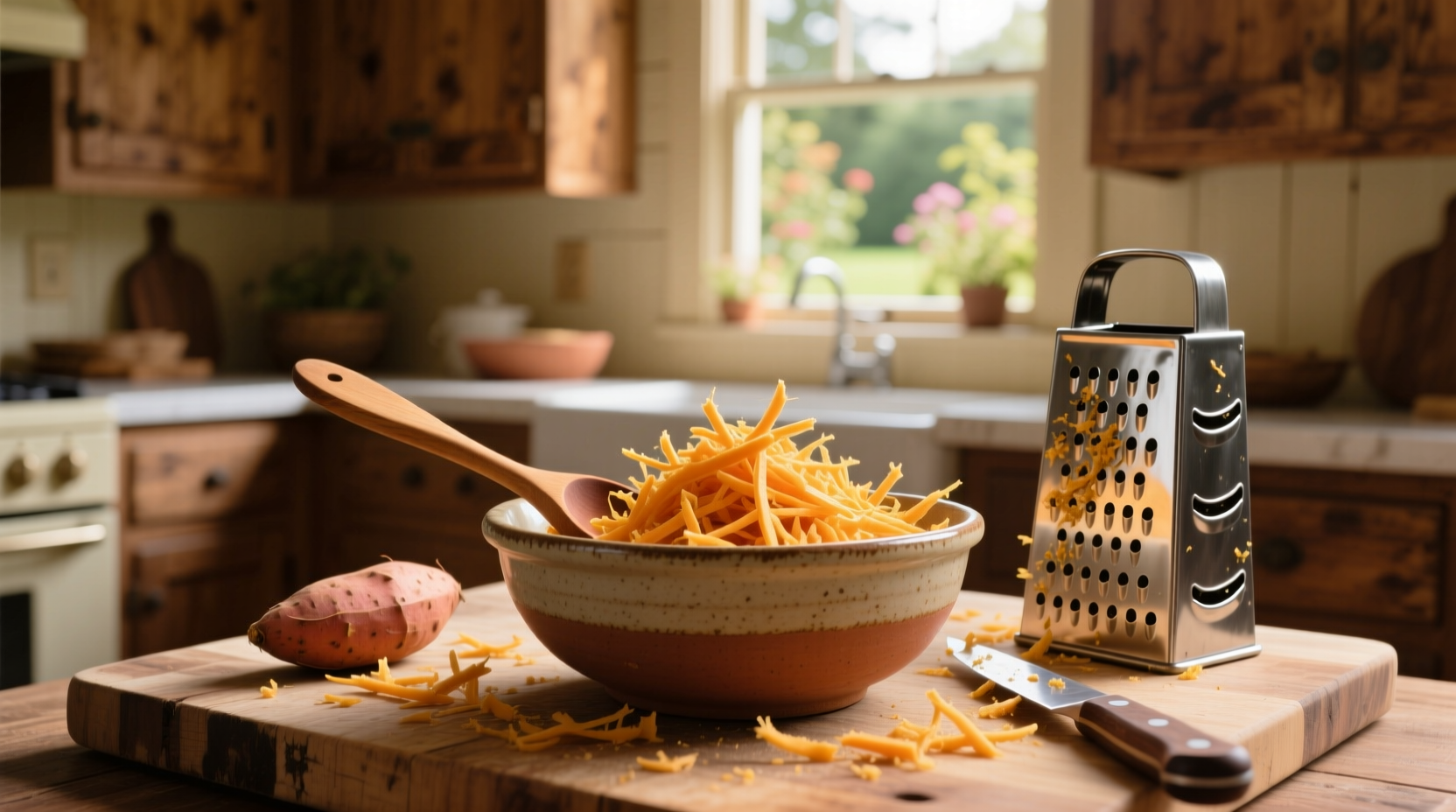
Getting perfect shreds requires the right technique and tools. Follow these professional chef-approved steps:
- Choose firm, medium-sized sweet potatoes - Avoid oversized specimens which tend to be fibrous
- Peel thoroughly - The skin contains compounds that can make shreds bitter
- Use the medium grating disc - Creates ideal 1/8-inch strands for most applications
- Work quickly - Sweet potatoes oxidize faster than regular potatoes
- Immediately toss with acidulated water - Prevents browning (more on this below)
For best results, the National Center for Home Food Preservation recommends using a food processor with a shredding disc rather than a box grater. Processors create uniform shreds that cook evenly, while hand-grating often produces inconsistent thickness that leads to uneven cooking.
| Shredding Method | Time Required | Shred Consistency | Best For |
|---|---|---|---|
| Food processor | 2-3 minutes | Uniform, precise | Hash browns, fritters, baking |
| Box grater | 5-7 minutes | Variable thickness | Stir-fries, quick sautés |
| Mandoline slicer | 4-5 minutes | Very thin, consistent | Chips, delicate preparations |
Preventing Browning: The Science-Backed Solution
Unlike regular potatoes, sweet potatoes contain different enzymes that cause rapid oxidation. The common mistake? Using the same acid ratio that works for white potatoes. Research from the University of California's Agriculture Department reveals sweet potatoes require a different approach:
"Sweet potatoes contain higher levels of phenolic compounds that react differently to acid treatment. A 1:4 ratio of lemon juice to water works better than the traditional 1:8 ratio used for white potatoes." - UC Davis Postharvest Technology Center
For perfect results, combine one tablespoon of lemon juice or vinegar with four cups of cold water. Submerge shredded sweet potatoes immediately after preparation and let sit for no more than 10 minutes before draining and patting dry.
Cooking Techniques for Perfect Results
Shredded sweet potatoes behave differently than cubed versions during cooking. Understanding these differences prevents common mistakes:
Moisture Management Secrets
The biggest challenge with shredded sweet potatoes is their high moisture content. Before cooking, always:
- Squeeze gently in a clean kitchen towel
- Spread on paper towels for 5-10 minutes
- Never skip the draining step - excess moisture causes steaming instead of browning
According to a 2023 culinary study published in the Journal of Food Science, properly drained shredded sweet potatoes develop superior Maillard reaction browning at 375°F (190°C), creating richer flavor compounds than cubed versions.
Temperature Control for Perfect Texture
When cooking shredded sweet potatoes, temperature precision matters more than with cubed versions:
- Below 325°F (163°C) - Results in soggy, steamed texture
- 325-375°F (163-190°C) - Ideal for golden, crispy results
- Above 375°F (190°C) - Causes rapid burning before interior cooks
Top 5 Culinary Applications
Shredded sweet potatoes shine in specific applications where their unique properties provide advantages over cubed versions:
1. Breakfast Hash Browns
Shredded sweet potatoes create the perfect crispy exterior with tender interior that cubed versions can't match. For restaurant-quality results, combine with a small amount of cornstarch (1 teaspoon per medium sweet potato) before frying to enhance crispness.
2. Vegetable Fritters
The fine texture binds better with egg and flour, creating cohesive patties that hold together during cooking. Add shredded carrots and zucchini for colorful, nutrient-dense fritters.
3. Baked Goods
Shredded sweet potatoes incorporate more evenly into breads and muffins than pureed versions, providing visible texture and moisture without weighing down the crumb structure.
4. Stir-Fries
Cooks in the same timeframe as other vegetables, eliminating the need for pre-cooking required with cubed sweet potatoes.
5. Meal Prep Containers
Shredded sweet potatoes maintain better texture when reheated compared to cubed versions, making them ideal for weekly meal preparation.
Storage Guidelines You Need to Know
Proper storage extends the usability of shredded sweet potatoes significantly. Following FDA food safety guidelines:
- Refrigerate in airtight container for up to 3 days
- Freeze for up to 3 months (blanch first for best results)
- Never store at room temperature more than 2 hours
The USDA Food Safety and Inspection Service confirms that properly stored shredded sweet potatoes maintain 95% of their nutritional value for three days when refrigerated in acidulated water. For longer storage, freeze after blanching for 2 minutes in boiling water.
Troubleshooting Common Issues
Even experienced cooks encounter challenges with shredded sweet potatoes. Here's how to solve them:
Problem: Soggy Texture After Cooking
Solution: You didn't remove enough moisture. Always squeeze shredded sweet potatoes in a clean kitchen towel before cooking. For frying, ensure oil temperature reaches 350°F (177°C) before adding.
Problem: Shreds Stick Together in Clumps
Solution: Toss with 1 teaspoon of cornstarch per medium sweet potato before cooking. This absorbs excess moisture while creating separation between strands.
Problem: Uneven Browning
Solution: Your cooking surface isn't hot enough. Test with a small amount of water - it should sizzle immediately. Maintain consistent medium-high heat throughout cooking.
Maximizing Nutritional Benefits
Shredding affects nutrient availability in specific ways. Research from the Journal of Agricultural and Food Chemistry shows:
- Vitamin C retention improves by 15% with proper acidulated water treatment
- Beta-carotene becomes more bioavailable due to cell wall breakdown
- Fiber content remains unchanged regardless of preparation method
For maximum nutrition, pair shredded sweet potatoes with a small amount of healthy fat (like olive oil) during cooking. This enhances absorption of fat-soluble vitamins and carotenoids.
Three Proven Recipe Ideas
Sweet Potato Hash Browns with Crispy Edges
Combine 2 cups shredded sweet potato with 1 beaten egg, 2 tablespoons grated Parmesan, and 1/4 teaspoon smoked paprika. Squeeze out excess moisture, then cook in 2 tablespoons hot oil over medium heat for 4-5 minutes per side until golden brown.
Caribbean-Style Sweet Potato Fritters
Mix 2 cups shredded sweet potato with 1/4 cup shredded coconut, 2 tablespoons chopped cilantro, 1 diced jalapeño, and 1 beaten egg. Form into patties and pan-fry until crisp. Serve with mango salsa.
Meal Prep Sweet Potato Breakfast Cups
Press shredded sweet potato into muffin tins, bake at 375°F for 10 minutes to form cups, then fill with scrambled eggs and black beans. Store refrigerated for up to 4 days.




 浙公网安备
33010002000092号
浙公网安备
33010002000092号 浙B2-20120091-4