
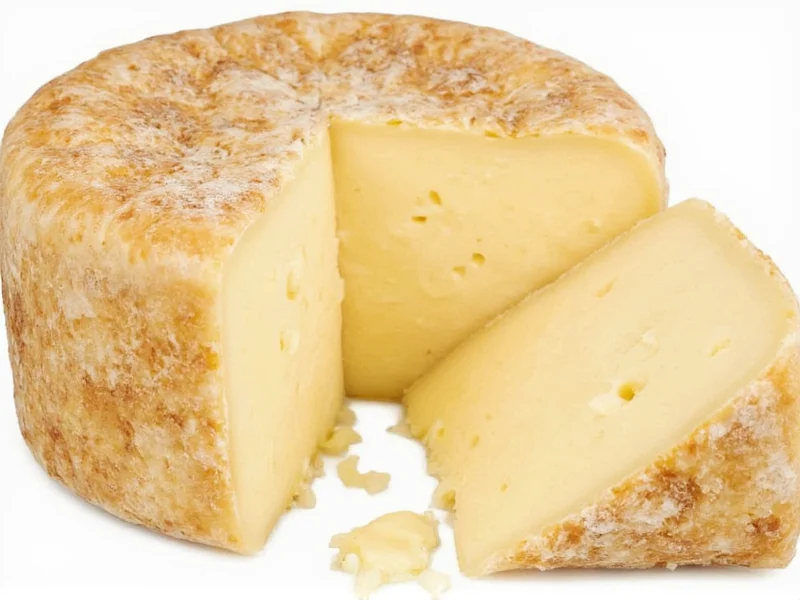
Understanding proper parmesan cheese storage is essential for both food safety and maximizing flavor. This hard, aged cheese has unique preservation properties due to its low moisture content and high salt concentration, but proper storage practices still matter for optimal quality.
Understanding Parmesan Cheese Types and Their Storage Needs
Parmesan cheese comes in several forms, each with different storage requirements. The key factor determining refrigeration necessity is whether the cheese has been exposed to air and moisture.
| Type of Parmesan | Refrigeration Required | Unopened Shelf Life | Opened Shelf Life |
|---|---|---|---|
| Whole block (Parmigiano-Reggiano) | Recommended | 6-9 months at room temperature, 12+ months refrigerated | 1-2 months refrigerated |
| Pre-grated (commercial) | Required | 3-4 months refrigerated | 1-2 weeks refrigerated after opening |
| Shredded | Required | 3-4 months refrigerated | 1-2 weeks refrigerated after opening |
| Homemade grated | Required | N/A | 1 week refrigerated |
The Science Behind Parmesan Storage
Parmesan's exceptional shelf stability comes from its production process. Authentic Parmigiano-Reggiano undergoes a minimum 12-month aging process, reducing moisture content to around 30%. This low moisture environment inhibits bacterial growth that causes spoilage in higher-moisture cheeses.
However, once you break the protective rind or open packaging, exposure to air introduces moisture and potential contaminants. Refrigeration slows down:
- Mold development on cut surfaces
- Fat oxidation that causes rancidity
- Texture changes from moisture loss or absorption
Historical Evolution of Parmesan Storage Practices
Traditional storage methods for Parmigiano-Reggiano have evolved significantly over centuries, adapting to technological advancements while preserving core quality principles. Below is a key timeline of storage practices:
| Time Period | Storage Method | Key Developments | Impact on Shelf Life |
|---|---|---|---|
| 12th-18th Century | Natural cheese caves in Parma/Reggio Emilia regions | Temperature: 10-15°C (50-59°F), Humidity: 80-85%. Aging on wooden shelves. | 6-24 months aging possible; minimal spoilage due to stable environment |
| 19th Century | Wax sealing and cellar storage | Introduction of wax coating to protect cut surfaces; home cellars (12-15°C/54-59°F) | Unopened wheels: 12+ months; opened blocks: 2-3 months |
| Early 20th Century | Vacuum packaging development | Patented vacuum sealing (1930s) reduced oxygen exposure | Doubled shelf life for pre-cut portions; enabled commercial distribution |
| Modern Era (Post-1980) | Refrigeration standards + modified atmosphere packaging | USDA guidelines formalized (1996); current best practices per Consorzio del Formaggio Parmigiano-Reggiano | Unopened vacuum-sealed: 9-12 months refrigerated; opened blocks: 1-2 months |
Source: Historical data compiled from the Parmigiano-Reggiano Consortium's historical archives and USDA Food Safety Guidelines.
Proper Refrigeration Techniques for Parmesan
Simply placing parmesan in the refrigerator isn't enough for optimal preservation. Follow these professional storage methods:
For Block Parmesan
- Remove original packaging
- Wrap tightly in wax paper or parchment paper
- Add a layer of aluminum foil or place in an airtight container
- Store in the vegetable drawer (higher humidity section)
For Grated or Shredded Parmesan
- Transfer to an airtight container immediately after opening
- Press plastic wrap directly against the cheese surface before sealing
- Store away from strong-smelling foods (cheese absorbs odors)
- Use within 1-2 weeks for best quality
Room Temperature Storage: Contextual Conditions and Limitations
Room temperature storage is only conditionally acceptable for parmesan cheese, with strict environmental parameters. The USDA Food Safety and Inspection Service specifies the following boundaries for safe room-temperature storage of hard cheeses like parmesan:
| Condition | Acceptable Parameters | Maximum Duration | Critical Limitations |
|---|---|---|---|
| Unopened vacuum-sealed blocks | Temperature ≤ 70°F (21°C), Humidity ≤ 65% | 30 days | Must remain sealed; discard if package swells |
| During food preparation | Temperature ≤ 90°F (32°C) | 2 hours | Per USDA "2-hour rule" for perishables; reduce to 1 hour if room >90°F |
| Traditional storage (non-US) | Temperature 55-65°F (13-18°C), Humidity 80-85% | Indefinite for whole wheels | Requires specialized environment (e.g., Italian cheese caves); not replicable in typical US homes |
Exceeding these parameters significantly increases risks of mold growth (visible within 72 hours at 75°F/24°C) and lipid oxidation. The USDA emphasizes that refrigeration below 40°F (4°C) is the only universally safe method for opened parmesan in residential settings.
Signs Your Parmesan Has Gone Bad
Even with proper storage, parmesan eventually degrades. Watch for these indicators that your parmesan cheese has spoiled:
- Visible mold (except for harmless white crystals, which are tyrosine)
- Significant darkening or yellowing beyond normal aging
- Strong ammonia smell
- Texture becoming excessively hard, dry, or crumbly
- Off flavors when tasted
For hard cheeses like parmesan, you can typically cut away moldy sections (removing at least 1 inch around the mold) if the rest appears sound. However, with grated parmesan, discard the entire container if mold appears.
Common Parmesan Storage Myths Debunked
Several misconceptions persist about parmesan cheese storage:
Myth: "Parmesan doesn't need refrigeration because it's so hard"
While parmesan has excellent shelf stability compared to other cheeses, refrigeration significantly extends its freshness and prevents quality degradation.
Myth: "Freezing ruins parmesan cheese"
Actually, freezing works well for parmesan, especially grated varieties. Freeze in airtight containers for up to 12-18 months with minimal quality loss.
Myth: "The cheese paper that comes with parmesan is sufficient for long-term storage"
Most commercial cheese paper provides short-term protection only. For extended storage, add additional wrapping layers as described earlier.
Maximizing Parmesan Freshness: Practical Tips
Implement these professional techniques to get the most from your parmesan cheese:
- Buy block parmesan and grate as needed rather than purchasing pre-grated
- Store parmesan away from the refrigerator door (temperature fluctuations occur there)
- Use cheese storage bags designed for optimal humidity control
- Place a damp paper towel in the container with grated parmesan to prevent drying
- Label containers with purchase or opening dates
Special Considerations for Authentic Parmigiano-Reggiano
True Parmigiano-Reggiano (with the dotted rind marking) has different storage properties than generic "parmesan":
- Contains natural preservatives from the aging process
- Develops beneficial flavor crystals (tyrosine) during aging
- Can be stored longer than imitation parmesan products
- Requires less stringent refrigeration but still benefits from it
When shopping for parmesan, look for the Parmigiano-Reggiano consortium mark for the highest quality product with superior storage characteristics.
Conclusion: Best Practices for Parmesan Storage
While parmesan cheese has remarkable shelf stability compared to other cheeses, refrigeration remains the best practice for maintaining optimal flavor, texture, and safety. Whether you've purchased a whole wheel, a wedge, or pre-grated parmesan, proper refrigeration techniques will extend its usable life and preserve its distinctive nutty, savory flavor.
Remember that opened parmesan requires more careful storage than unopened products, and grated forms need the most protection from moisture loss and contamination. By following these evidence-based storage guidelines, you'll minimize waste and enjoy premium parmesan quality in every dish.
Frequently Asked Questions
Can I store parmesan cheese at room temperature after opening?
While unopened vacuum-sealed parmesan can be stored at room temperature briefly, you should refrigerate parmesan cheese after opening. Room temperature storage after opening accelerates moisture loss, mold development, and flavor degradation. For optimal quality and safety, refrigerate all opened parmesan varieties.
How long does parmesan cheese last in the refrigerator?
Properly stored block parmesan lasts 1-2 months in the refrigerator after opening. Pre-grated parmesan maintains best quality for 1-2 weeks after opening when stored in an airtight container. Vacuum-sealed unopened blocks can last 6-9 months refrigerated, while unopened pre-grated packages typically remain fresh for 3-4 months.
What's the best way to wrap parmesan cheese for refrigerator storage?
The optimal wrapping method for block parmesan involves two layers: first wrap in wax or parchment paper to allow the cheese to breathe while maintaining humidity, then add a layer of aluminum foil or place in an airtight container. This combination prevents moisture loss while protecting against refrigerator odors and excessive humidity.
Can I freeze parmesan cheese to extend its shelf life?
Yes, freezing works exceptionally well for parmesan cheese, particularly grated varieties. Freeze in airtight containers or heavy-duty freezer bags for up to 12-18 months. Block parmesan can be frozen whole or pre-grated. Thaw frozen parmesan in the refrigerator before use for best texture retention.
Why does my grated parmesan cheese clump together in the refrigerator?
Clumping occurs when moisture from the cheese or refrigerator environment causes the grated particles to stick together. Prevent this by storing grated parmesan in an airtight container with a small piece of parchment paper between the cheese and lid, or place a dry paper towel in the container to absorb excess moisture. Commercial grated parmesan often contains anti-caking agents like cellulose to prevent this issue.




 浙公网安备
33010002000092号
浙公网安备
33010002000092号 浙B2-20120091-4