
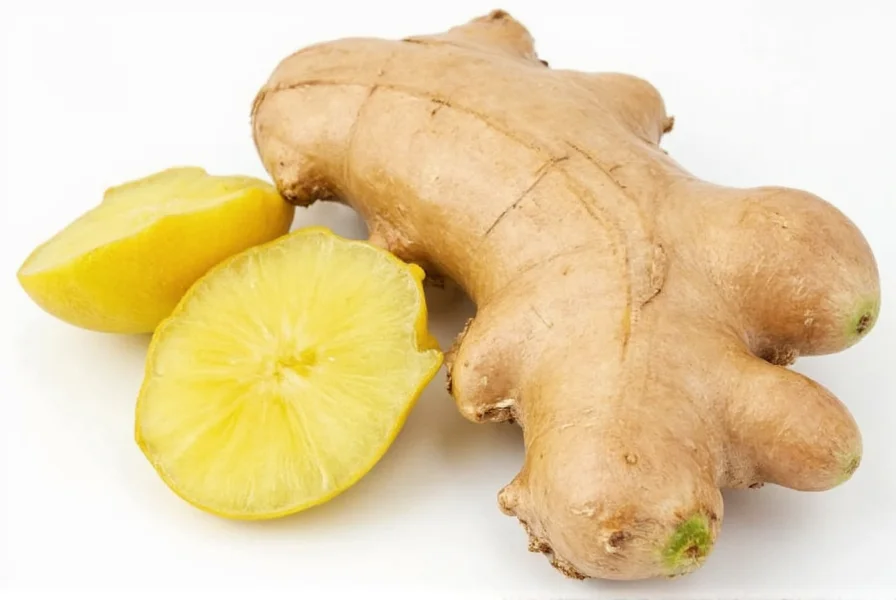
Understanding proper ginger storage can significantly extend its shelf life and maintain flavor quality. Whether you're a home cook, meal prepper, or just bought more ginger than you can use immediately, knowing the best storage practices prevents waste and ensures you always have fresh ginger available for your recipes.
Factors That Determine Ginger Storage Method
The ideal storage method for ginger depends on several factors including its form, your climate, and how soon you plan to use it. Whole, unpeeled ginger has different storage needs than cut or grated ginger. Humidity levels in your kitchen also play a crucial role in determining whether room temperature storage is viable.
Proper Refrigeration Technique for Maximum Freshness
Simply tossing ginger in your produce drawer won't yield optimal results. For best preservation:
- Leave ginger unpeeled until ready to use
- Wrap whole roots in a paper towel to absorb excess moisture
- Place wrapped ginger in an airtight container or resealable plastic bag
- Store in the high-humidity crisper drawer of your refrigerator
- Keep away from strong-smelling foods as ginger can absorb odors
This method creates the ideal microenvironment that maintains ginger's moisture balance while preventing mold growth. The paper towel absorbs condensation that would otherwise accelerate spoilage.
| Storage Method | Shelf Life | Best For |
|---|---|---|
| Refrigerator (whole, unpeeled) | 3-4 weeks | Long-term storage of fresh ginger |
| Refrigerator (cut) | 1-2 weeks | Ginger you've already started using |
| Room temperature (cool, dry) | 5-7 days | Short-term use in dry climates |
| Freezer (whole or grated) | 6+ months | Long-term preservation |
Alternative Storage Methods Worth Considering
While refrigeration is generally best for fresh ginger, other methods work well for specific situations:
Freezing Ginger for Long-Term Storage
Freezing is excellent for preserving ginger when you won't use it within a few weeks. You can freeze whole roots, slices, or even grate it directly from frozen. Place ginger in an airtight container or vacuum-sealed bag to prevent freezer burn. Frozen ginger doesn't need thawing before use—simply grate it while frozen.
Room Temperature Storage (When Appropriate)
In cool, dry climates (below 70°F/21°C with low humidity), unpeeled ginger can last up to one week at room temperature. Store it in a dark, well-ventilated area like a pantry, but avoid sealed plastic bags which trap moisture and accelerate spoilage. This method works best for immediate use but isn't recommended in humid environments.
Signs Your Ginger Has Gone Bad
Knowing when ginger has spoiled prevents food waste and potential digestive issues. Look for these indicators:
- Mold growth - Any visible fuzz or discoloration
- Soft, mushy texture - Especially at the ends
- Dry, wrinkled appearance - Indicates moisture loss
- Sour or unpleasant odor - Fresh ginger has a spicy, citrusy aroma
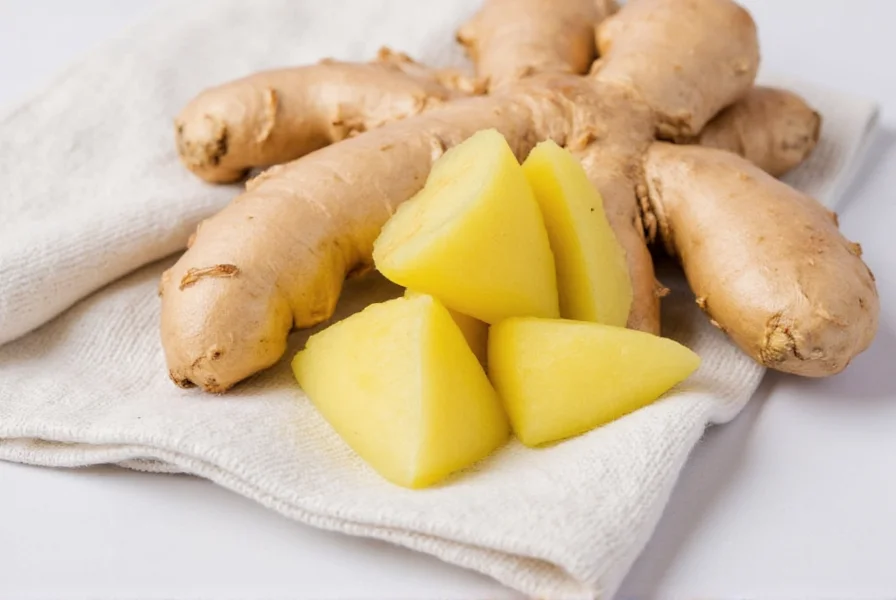
- Darkened flesh - When peeled, should be pale yellow, not gray or brown
Slightly wrinkled ginger may still be usable—simply cut away the dry sections. However, if mold has penetrated beyond the surface or the texture is uniformly soft, discard the entire piece.
Practical Tips for Extending Ginger Freshness
Implement these professional kitchen techniques to maximize your ginger's shelf life:
- Store ginger away from ethylene-producing fruits like apples and bananas
- Change the paper towel weekly if storing long-term in the refrigerator
- Freeze ginger in ice cube trays covered with water for easy portioning
- Peel ginger only when ready to use—skin provides natural protection
- Store cut ginger submerged in sherry or vodka to prevent drying (use within 1 month)
For frequent users, consider keeping a small piece at room temperature for immediate use while storing the remainder in the refrigerator. This approach ensures you always have fresh ginger available without compromising the main supply.
Special Considerations for Different Ginger Forms
Prepared ginger products have different storage requirements than fresh root:
- Minced or grated ginger - Always refrigerate in an airtight container; use within 1-2 weeks
- Ginger paste - Store in refrigerator; top with thin layer of oil to prevent oxidation
- Candied ginger - Store in cool, dark place; refrigeration extends shelf life
- Dried ginger powder - Keep in airtight container away from light and heat
Understanding these distinctions ensures each form maintains optimal flavor and potency. Fresh ginger root offers the most versatility and longest potential shelf life when stored correctly, making it the preferred choice for most culinary applications.
How long does ginger last in the refrigerator when properly stored?
When stored properly in the refrigerator (unpeeled, wrapped in paper towel, in an airtight container), whole ginger typically lasts 3-4 weeks. Cut ginger stays fresh for 1-2 weeks. Check weekly for any signs of mold or softening, and replace the paper towel if it becomes damp.
Can you freeze fresh ginger root, and how does it affect quality?
Yes, freezing is an excellent method for preserving ginger long-term. Whole roots, slices, or grated ginger can be frozen for 6+ months with minimal quality loss. Frozen ginger can be grated directly without thawing. The texture may become slightly softer after thawing, but flavor remains intact, making it ideal for cooking and baking.
Does peeled ginger need to be refrigerated immediately?
Yes, peeled ginger should be refrigerated immediately as the protective skin has been removed. Store cut ginger in an airtight container, preferably submerged in a small amount of water, sherry, or vodka to prevent drying. Use within 1-2 weeks for best quality, checking regularly for any signs of spoilage.
What's the best way to store ginger for frequent cooking use?
For frequent users, store most of your ginger in the refrigerator using the paper towel method, but keep a small piece (about 1-2 inches) at room temperature in a cool, dark pantry. This ensures you always have fresh ginger available for immediate use without compromising the main supply. Replace the room temperature piece weekly with a fresh one from your refrigerated stock.
Why does my refrigerated ginger develop condensation and spoil faster?
Condensation forms when ginger is stored directly in plastic without moisture absorption. Always wrap ginger in a paper towel before placing it in an airtight container—this absorbs excess moisture while maintaining proper humidity. Change the paper towel weekly during extended storage. Avoid washing ginger before storage, as added moisture accelerates spoilage.




 浙公网安备
33010002000092号
浙公网安备
33010002000092号 浙B2-20120091-4