
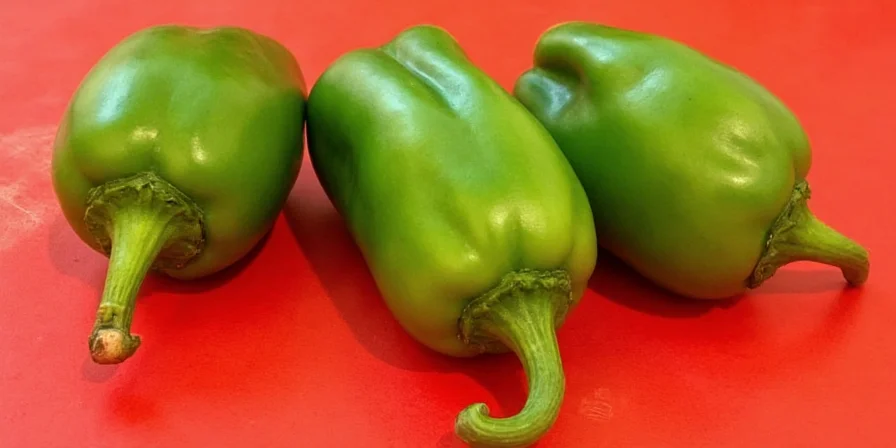
Introduction: The Green Mystery of the Asian Pantry
You've probably seen these wrinkly green peppers staring back at you from your local farmer's market or sushi joint menu. But the real question is — are shishito peppers hot? Spoiler alert: it's not as straightforward as you'd think.
This guide delivers actionable insights for home cooks and adventurous food enthusiasts seeking to confidently incorporate shishito peppers into meals without unexpected spice surprises. You'll gain practical techniques to manage heat levels while maximizing culinary enjoyment.
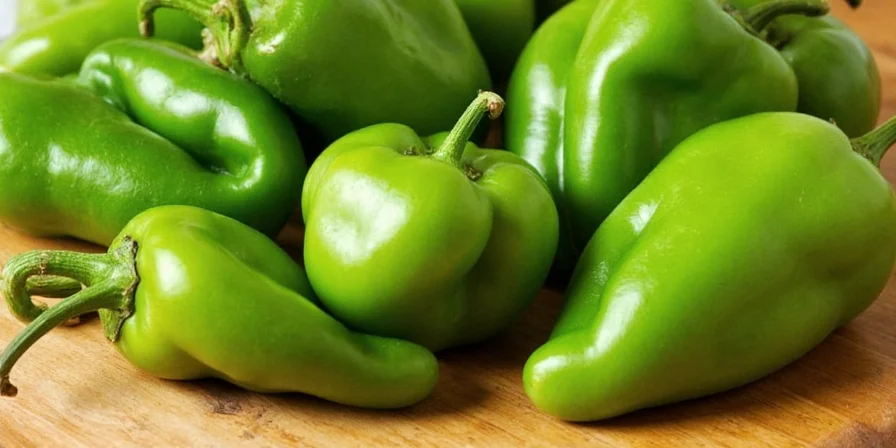
Table of Contents
- What Are Shishito Peppers Anyway?
- Are Shishito Peppers Hot? Let’s Get Real
- The 1-in-10 Rule: A Game of Pepper Roulette
- Visual Comparison: Shishito vs. Other Popular Peppers
- How to Use Shishito Peppers in Cooking
- Pro Tips: Handling Heat Like a Pro Chef
- Common Myths About Shishito Peppers Debunked
- Conclusion: Hot Enough for You?
What Are Shishito Peppers Anyway?
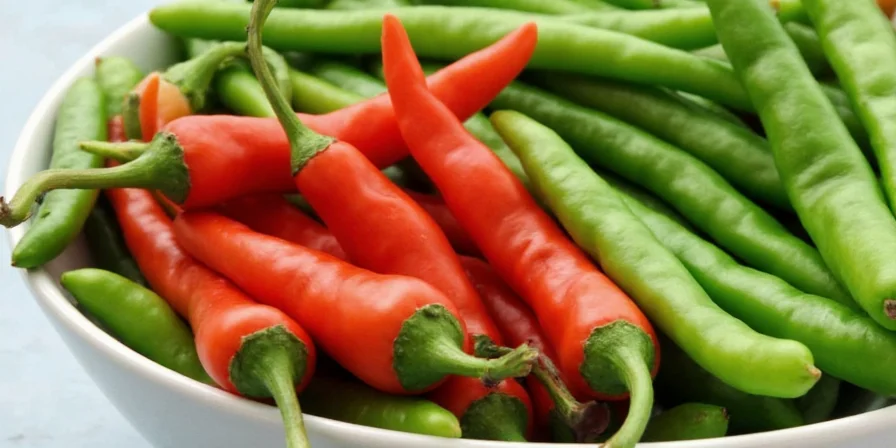
Native to Japan and now popular in Korean and American cuisines, shishito peppers are small, slender, and usually bright green. They’re typically eaten whole, skin and all, and have a mild flavor with an occasional spicy surprise up their sleeves.
Are Shishito Peppers Hot? Let’s Get Real
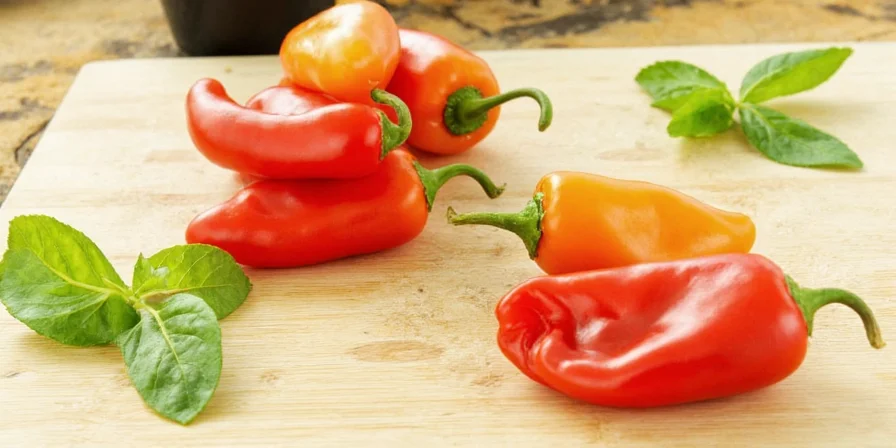
In terms of heat, they fall into what we call the “you might feel something” category. On the Scoville scale (the official pepper spiciness scorecard), shishitos range from 50 to 200 SHU (Scoville Heat Units). For context:
| Pepper | Scoville Heat Units (SHU) |
|---|---|
| Shishito | 50 – 200 |
| Jalapeño | 2,500 – 8,000 |
| Hatch Green Chile | 1,000 – 15,000 |
| Bell Pepper | 0 |
| Poblano | 1,000 – 2,000 |
So no, shishitos won’t set your mouth on fire like a Carolina Reaper, but every now and then, one will catch you off guard.
The 1-in-10 Rule: A Game of Pepper Roulette
If you’ve ever roasted a tray of shishitos, you know the game: bite into one, maybe two, then BAM! Out of nowhere, you get hit with a spicy little punch. That’s because approximately 1 in 10 shishito peppers is hot.
Why? Because nature likes to keep us on our toes. Each plant produces both mild and hot versions due to genetic variation. No labeling, no warning — just good old-fashioned food roulette! Note: This ratio represents common harvest observations but can fluctuate based on growing conditions and seasonal factors.
Visual Comparison: Shishito vs. Other Popular Peppers
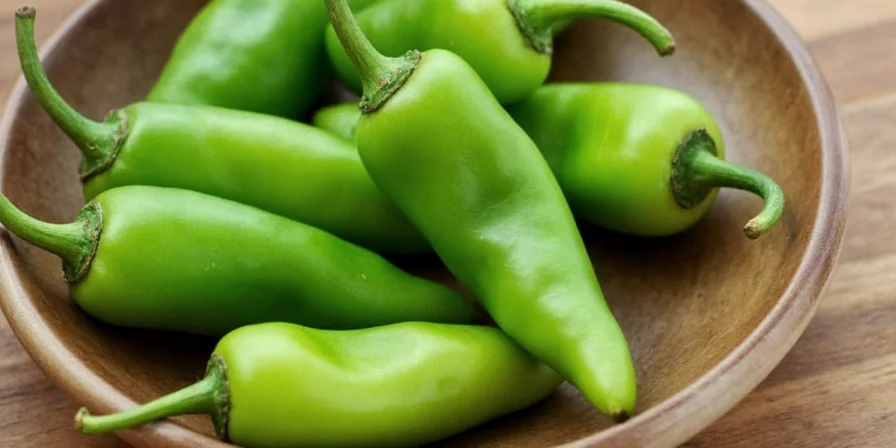
Let’s take a look at how shishitos stack up side-by-side with some common kitchen contenders.
| Feature | Shishito | Jalapeño | Bell Pepper |
|---|---|---|---|
| Size | ~4 inches | 2–4 inches | 3–5 inches |
| Color | Green (sometimes red when mature) | Green to Red | Red, Yellow, Orange, Green |
| Texture | Thin, wrinkly skin | Thicker, smoother skin | Crunchy, thick walls |
| Heat Level | Mild (1 in 10 is spicy) | Moderate | None |
| Best Used In | Stir-fries, grilled dishes, cocktails | Salsas, nachos, jalapeño poppers | Stuffed, salads, pizzas |
How to Use Shishito Peppers in Cooking
These little guys are versatile enough to sneak into almost any dish. Here are some top uses and pro techniques:
- Grilled or Roasted: Simply toss with olive oil, salt, and roast until blistered. Sprinkle with lemon zest or flaky sea salt for that extra zing.
- In Stir-Fries: Add near the end of cooking to preserve texture. Goes great with sesame oil and garlic.
- As a Cocktail Garnish: Who says garnish can't be spicy? Thread a few onto a skewer and stick them next to your glass of tequila.
- Tempura Style: Lightly battered and fried, these become crispy treats perfect with dipping sauces.
- Blended Into Dips: Throw a few into your next avocado mash or yogurt-based dip for a subtle kick.
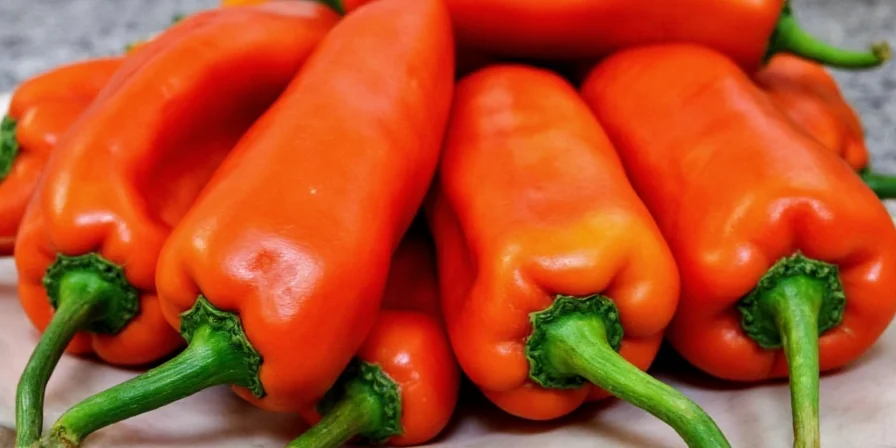
Pro Tips: Handling Heat Like a Pro Chef
Want to avoid the spice lottery while still enjoying those delicious flavors? Try these tricks:
- Seed Check: Look for seeds — if you see them through the translucent skin, it’s likely a spicy one.
- Cut It Open: Slice open a few before cooking to test heat levels. If they make your nose tingle, better skip the rest!
- Rinse After Roasting: Briefly rinsing blisters with cold water helps tone down any hidden spice bombs.
- Pair With Dairy: Serve alongside sour cream, yogurt, or cheese to balance out unexpected heat.
- Use Gloves: Even though most are mild, always wear gloves when handling raw ones — just in case.
Common Myths About Shishito Peppers Debunked
We've heard all sorts of stories, but here are the truths behind some tall tales:
- Myth: All shishito peppers are sweet. Truth: While most are mild, 1 in 10 packs a punch. Don’t let that cute face fool you.
- Myth: Only red shishitos are spicy. Truth: Green or red, it’s pure chance. Red ones are more mature, not necessarily hotter.
- Myth: You can tell by smell if it's spicy. Truth: Nope. Your nose won’t help here. It's all about genetics and luck.
- Myth: Cooking makes them milder. Truth: Not exactly. Heat redistributes capsaicin but doesn’t eliminate it.
Conclusion: Hot Enough for You?
So, are shishito peppers hot? Well… sometimes. And that unpredictability is part of their charm. Whether you're a thrill-seeker or just love playing culinary Russian roulette, shishito peppers bring excitement to your plate without turning up the heat too much.
Now go ahead — grill a bunch, eat them one by one, and enjoy the suspense. And remember: when someone asks, “Is this shishito pepper spicy?” the answer should always be: “Maybe. Want to try?”
Frequently Asked Questions
Are shishito peppers always hot?
No, most shishito peppers are mild, but about 1 in 10 can be spicy. The heat occurrence varies based on harvest conditions and genetics, making each pepper a unique experience.
How can I identify hot shishito peppers before eating?
There's no foolproof visual method. Some suggest checking for visible seeds through the skin or asymmetrical shapes, but these indicators aren't consistently reliable. The element of surprise is inherent to these peppers.
What's the best cooking method to minimize unexpected heat?
Grilling or roasting while monitoring for blister patterns can help. Immediately rinsing with cold water after cooking reduces capsaicin intensity. Pairing with dairy-based dips creates an effective heat buffer during consumption.
Do red shishito peppers have different heat characteristics than green ones?
Red shishitos are simply mature green peppers and tend to be sweeter, but their heat potential follows the same random distribution pattern. Color doesn't correlate with spiciness level.




 浙公网安备
33010002000092号
浙公网安备
33010002000092号 浙B2-20120091-4