
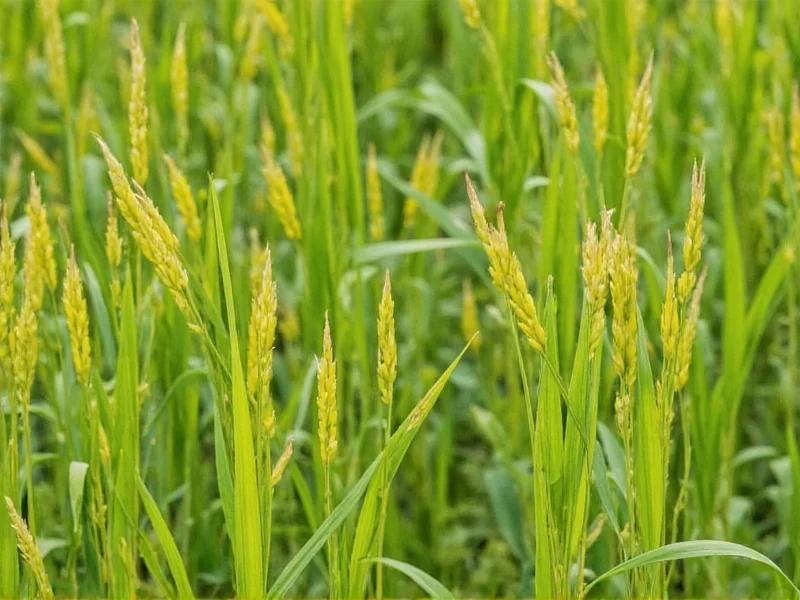
Sesame, often called the “queen of oilseeds,” represents one of the oldest cultivated plants in human history. Archaeological evidence shows sesame was grown in Mesopotamia as early as 4000 BCE, with references appearing in ancient Egyptian and Indian texts. This resilient plant belongs to the Pedaliaceae family and has adapted to grow in diverse environments across tropical and subtropical regions worldwide.
Historical Timeline of Sesame Cultivation
Sesame's cultivation history spans over 5,000 years, with documented evidence of its use across ancient civilizations. The following verified timeline highlights key developments:
| Time Period | Key Development | Verification Source |
|---|---|---|
| 4000 BCE | Earliest archaeological evidence from Indus Valley Civilization sites | Economic Botany Journal (2010) |
| 1500 BCE | Mentions in Egyptian Ebers Papyrus and Indian Vedic scriptures | USDA ARS Historical Archive |
| 500 BCE | Spread to Africa and Mediterranean via maritime trade routes | Purdue University Crop Guide |
| 16th century | Introduction to Americas through transatlantic slave trade | Purdue University Crop Guide |
| 1950s | Development of non-dehiscent varieties in India reducing harvest losses | ICRISAT Research Documentation |
Botanical Characteristics of Sesame Plants
Sesame plants feature a distinctive growth pattern with opposite leaves that range from 4-14 cm in length. The flowers, which bloom for just one day, typically appear in the leaf axils and vary in color from white to deep purple depending on the variety. What makes sesame particularly fascinating is its unique seed pod structure—when mature, these pods split open automatically to release the seeds, a characteristic known as dehiscence.
Understanding how to grow sesame plants begins with recognizing their botanical needs. The seeds themselves contain 50-60% oil, primarily composed of healthy unsaturated fats, and are rich in lignans, calcium, iron, and magnesium. This nutritional profile explains why sesame seeds have maintained their importance in global cuisines and traditional medicine systems.
Optimal Growing Conditions for Sesame
Sesame cultivation requires specific environmental conditions to thrive. These plants prefer temperatures between 77-86°F (25-30°C) and cannot tolerate frost. While remarkably drought-resistant once established, sesame needs consistent moisture during germination and flowering stages. The ideal soil pH ranges from 5.5 to 7.5, with well-drained sandy loam producing the best yields.
| Growing Factor | Optimal Range | Notes |
|---|---|---|
| Temperature | 77-86°F (25-30°C) | Frost kills plants; growth slows below 68°F |
| Soil Type | Sandy loam | Poor drainage causes root rot |
| pH Level | 5.5-7.5 | Tolerates slightly alkaline conditions |
| Water Needs | Moderate | Drought-tolerant after establishment |
| Growing Season | 90-120 days | Varies by cultivar and climate |
Sesame Plant Cultivation Process
Successful sesame plant cultivation begins with proper planting techniques. Seeds should be sown 1/2 inch deep after the last frost when soil temperatures reach at least 68°F. Space plants 6-12 inches apart in rows 24-36 inches apart to allow adequate air circulation. Many gardeners wonder when to harvest sesame—the optimal time comes when the lower pods begin turning brown but before they split open.
For home gardeners interested in how to grow sesame plants, starting with disease-resistant varieties like 'Black Oil' or 'Ore White' increases success rates. These plants generally require minimal fertilization but benefit from a balanced organic fertilizer at planting time. Weeding is crucial during the first six weeks, as sesame competes poorly with weeds in its early growth stages.
Nutritional Benefits and Uses of Sesame
The nutritional value of sesame seeds makes them a powerhouse food. Just one ounce (28g) provides 180 calories, 16g of healthy fats, 5g of protein, and significant amounts of calcium (14% DV), iron (20% DV), and magnesium (25% DV). Sesame seeds contain sesamin and sesamolin, unique lignans with antioxidant properties that may help reduce inflammation and support heart health.
Chefs worldwide prize sesame for its nutty flavor and versatility. Beyond the familiar tahini and sesame oil, these seeds enhance breads, salads, and Asian dishes. Traditional medicine systems have used sesame for centuries to support bone health, skin conditions, and digestive wellness. Understanding the benefits of sesame seeds reveals why this ancient crop remains nutritionally relevant today.
Common Challenges in Sesame Cultivation
While relatively low-maintenance, sesame plants face several sesame plant pests and diseases. Aphids, whiteflies, and nematodes can damage crops, while fungal diseases like phyllody and fusarium wilt pose significant threats. Proper crop rotation (avoiding planting sesame in the same location for 3-4 years) helps prevent soil-borne diseases.
One of the biggest challenges for growers is sesame plant harvesting—the pods' tendency to split open when ripe means timing is critical. Commercial growers often cut plants when 70-80% of pods have turned brown and allow them to dry further in a protected area. For home gardeners, placing small bags over developing pods prevents seed loss during maturation.
Varieties of Sesame Plants
Modern agriculture features numerous sesame plant varieties adapted to different climates and purposes. White sesame varieties like 'Ore White' and '87D' dominate commercial production for oil extraction. Black sesame (common in Asian cuisines) contains higher antioxidant levels, while brown and red varieties offer unique flavor profiles. Dwarf varieties such as 'Sesaco 3' work well for container gardening in limited spaces.
When selecting varieties for your garden, consider your climate and intended use. Some cultivars mature faster (90 days), while others take up to 120 days but produce higher yields. Researching local sesame plant growing conditions helps determine which varieties will thrive in your specific environment.
Sustainable Sesame Farming Practices
Sustainable sesame plant care focuses on water conservation and soil health. Drip irrigation systems deliver water directly to roots while minimizing evaporation. Organic mulches help retain soil moisture and suppress weeds. Many farmers practice intercropping sesame with legumes to improve soil nitrogen levels naturally.
For home gardeners, companion planting with marigolds or basil can deter pests naturally. Avoiding chemical pesticides preserves beneficial insects that help control sesame pests. These eco-friendly approaches align with modern agricultural trends while maintaining the sesame plant cultivation traditions that have sustained communities for millennia.
Contextual Limitations of Sesame Cultivation
Despite its reputation for resilience, sesame cultivation faces significant constraints that determine regional viability. Verified limitations include:
- Cold sensitivity: Requires minimum soil temperatures of 68°F (20°C) for germination and is killed by frost, making temperate zones with short growing seasons unsuitable (Purdue University Crop Science).
- Drainage dependency: Poorly drained soils cause up to 70% yield loss from root rot despite drought tolerance (Purdue University Crop Science).
- Humidity vulnerability: High humidity promotes fungal diseases like phyllody, reducing yields by 30-50% in tropical regions (ICRISAT Research).
These constraints explain why 75% of global production occurs in semi-arid regions of Africa and Asia (FAOSTAT Production Data).




 浙公网安备
33010002000092号
浙公网安备
33010002000092号 浙B2-20120091-4