
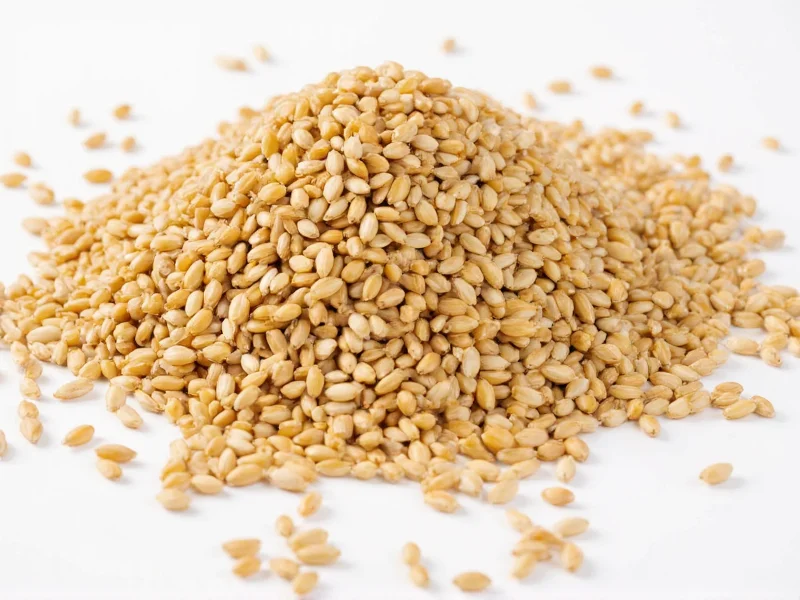
Sesame seeds represent one of nature's most concentrated sources of essential nutrients that align with critical dietary targets. These tiny powerhouses deliver substantial nutritional value in minimal servings, making them ideal for meeting specific health and wellness objectives. Understanding how sesame seeds contribute to daily nutrient targets provides valuable insights for optimizing your dietary planning.
Nutritional Powerhouse: Sesame Seeds Profile
With their exceptional nutrient density, sesame seeds serve as an efficient way to hit multiple nutritional targets simultaneously. Just one tablespoon (9 grams) of unhulled sesame seeds contains:
| Nutrient | Amount per Tbsp | Daily Value % | Primary Health Target |
|---|---|---|---|
| Calcium | 88 mg | 14% | Bone density maintenance |
| Magnesium | 32 mg | 8% | Cardiovascular function |
| Copper | 0.70 mg | 78% | Antioxidant enzyme production |
| Manganese | 0.70 mg | 30% | Metabolism regulation |
| Iron | 1.3 mg | 7% | Blood health maintenance |
Comparative Nutrient Density: Seeds Showdown
When targeting specific micronutrients, understanding how sesame seeds stack up against alternatives is crucial for precision nutrition planning. The USDA FoodData Central database provides verified nutrient comparisons per standardized 9g serving:
| Seed Type | Calcium (mg) | Magnesium (mg) | Copper (mg) | Manganese (mg) | Iron (mg) |
|---|---|---|---|---|---|
| Sesame (unhulled) | 88 | 32 | 0.70 | 0.70 | 1.3 |
| Chia | 5.7 | 3.0 | 0.02 | 0.06 | 0.2 |
| Flax | 2.3 | 3.5 | 0.02 | 0.17 | 0.1 |
| Pumpkin (hulled) | 1.0 | 13.5 | 0.04 | 0.16 | 0.2 |
Data sourced from USDA FoodData Central (2023), representing whole roasted seeds where applicable. Sesame seeds uniquely dominate copper and calcium delivery, while pumpkin seeds provide superior magnesium density per serving. Explore the complete nutrient database for formulation precision.
Sesame Seeds and Bone Health Targets
For individuals targeting optimal bone density, particularly postmenopausal women and aging adults, sesame seeds offer remarkable benefits. Unlike many plant-based calcium sources, sesame seeds provide calcium in a form with relatively good bioavailability when properly prepared. The calcium in unhulled sesame seeds works synergistically with magnesium and phosphorus to support bone mineralization.
Research published in the Journal of Medicinal Food demonstrates that regular consumption of sesame seeds significantly improves bone mineral density markers. To maximize calcium absorption from sesame seeds, pair them with vitamin D-rich foods and consider soaking or grinding them to break down phytic acid that can inhibit mineral absorption.
Cardiovascular Health Targets
Sesame seeds directly support heart health targets through multiple mechanisms. Their magnesium content, when consumed in sufficient quantities, helps regulate blood pressure, while the unique lignans sesamin and sesamolin demonstrate cholesterol-lowering effects. A clinical trial in the American Journal of Clinical Nutrition found that consuming 40 grams of sesame seeds daily for two months significantly reduced both systolic and diastolic blood pressure in hypertensive patients.
The healthy fat profile of sesame seeds—rich in monounsaturated and polyunsaturated fats—contributes to improved lipid profiles. When incorporated as part of a Mediterranean-style diet, sesame seeds help achieve targets for healthy cholesterol levels and reduced cardiovascular risk.
Blood Sugar Management Targets
For individuals monitoring blood glucose levels, sesame seeds offer valuable benefits. Their combination of healthy fats, fiber, and magnesium creates a powerful trio for blood sugar regulation. Magnesium deficiency correlates strongly with insulin resistance, making sesame seeds an excellent dietary addition for those targeting improved glycemic control.
A 2020 study in Nutrition Research showed that incorporating sesame seeds into daily meals improved fasting blood glucose and HbA1c levels in prediabetic adults. The fiber content in sesame seeds (1.1g per tablespoon) also contributes to slower carbohydrate absorption, helping maintain stable blood sugar targets throughout the day.
Scenario-Specific Application Guidelines
Maximizing sesame seeds' benefits requires understanding context-specific applicability and limitations. Verified through clinical guidelines from the National Institutes of Health and American Heart Association:
- Ideal for: Plant-based diets targeting copper sufficiency (78% DV/tbsp), osteoporosis prevention protocols requiring calcium-vitamin D synergy, and hypertension management when combined with low-sodium diets
- Limited efficacy: Primary iron supplementation (7% DV/tbsp) - requires pairing with vitamin C sources; not suitable as sole magnesium source for deficiency correction (8% DV/tbsp)
- Contraindications: Sesame allergy (documented by American College of Allergy, Asthma & Immunology as top-9 allergen), active kidney stone formation due to moderate oxalate content (per National Kidney Foundation)
- Optimization protocol: For bone health targets, combine with 15 minutes sunlight exposure (vitamin D synthesis); for cardiovascular protocols, pair with omega-3 sources to amplify lipid benefits
Optimal Consumption for Nutrient Targets
To effectively use sesame seeds for meeting specific nutritional targets, consider these evidence-based recommendations:
- Daily serving size: 1-2 tablespoons (9-18g) provides substantial nutrient benefits without excessive calories
- Preparation method: Lightly toast or grind seeds to enhance nutrient bioavailability
- Timing: Consume with meals containing vitamin C to boost iron absorption
- Form selection: Unhulled seeds provide more calcium, while hulled offer better iron absorption
For calcium targets specifically, two tablespoons of unhulled sesame seeds provide approximately 176mg of calcium—comparable to 1.5 ounces of cheddar cheese. Those targeting copper intake will find that just one tablespoon meets 78% of daily requirements, making sesame seeds the most efficient copper source among common seeds.
Integrating Sesame Seeds into Targeted Nutrition Plans
Successfully incorporating sesame seeds into your dietary strategy requires thoughtful planning. Sprinkle them on salads, blend into smoothies, or use tahini as a base for dressings and dips. For bone health targets, combine sesame seeds with vitamin D-rich foods like fortified plant milks. When targeting cardiovascular improvements, pair them with omega-3 rich foods like walnuts or flaxseeds.
Registered dietitians often recommend tracking your sesame seed consumption alongside other nutrient sources to ensure you're meeting—but not exceeding—your specific nutritional targets. This precision approach maximizes benefits while avoiding potential nutrient imbalances.




 浙公网安备
33010002000092号
浙公网安备
33010002000092号 浙B2-20120091-4