
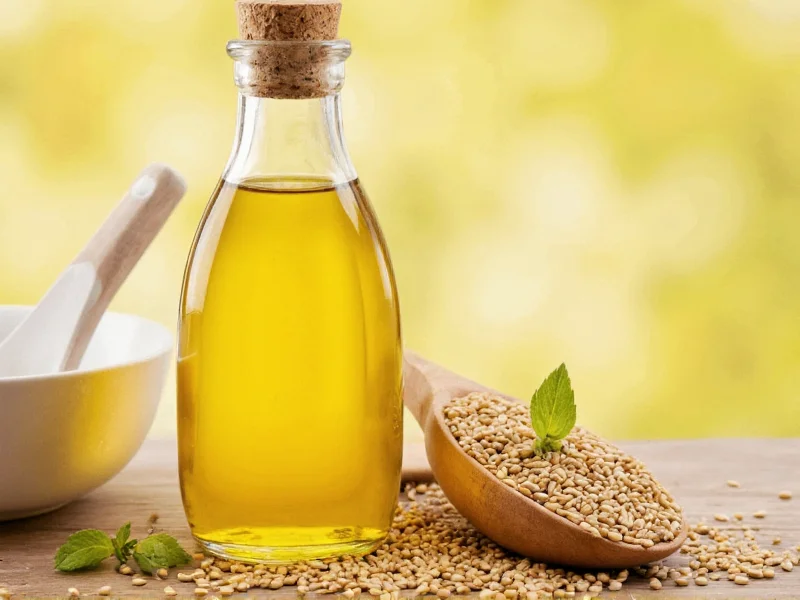
Understanding sesame seed oil shelf life is essential for maintaining both culinary quality and food safety in your kitchen. This comprehensive guide provides evidence-based information about maximizing the longevity of your sesame oil while recognizing when it's time for replacement.
Factors Affecting Sesame Seed Oil Shelf Life
Sesame seed oil longevity depends on several critical factors that interact to determine how quickly oxidation and rancidity occur. Unlike more stable oils like coconut or avocado, sesame oil contains polyunsaturated fats that are particularly vulnerable to degradation when exposed to environmental stressors.
The primary factors influencing sesame oil expiration include:
- Exposure to light - UV rays accelerate oxidation
- Temperature fluctuations - Heat dramatically shortens sesame seed oil shelf life
- Air exposure - Oxygen contact after opening initiates degradation
- Type of sesame oil - Toasted vs. untoasted varieties have different stability profiles
- Container material - Dark glass preserves quality better than clear plastic
Storage Condition Boundaries: When Shelf Life Guidelines Don't Apply
Standard shelf life timelines assume ideal storage conditions. Deviations significantly alter degradation rates, as confirmed by food safety research. These context boundaries help identify when standard guidelines become invalid:
| Storage Condition | Shelf Life Impact | Validation Source |
|---|---|---|
| Ideal: 50-70°F (10-21°C), dark, airtight container | Full shelf life as stated | USDA FSIS Guidelines |
| Warm: 70-85°F (21-29°C) | Shelf life reduced by 30-50% | University of Illinois Extension (2019) |
| Hot: >85°F (29°C) or exposed to light | Rancidity within 1-2 months | NCHFP Temperature Guidelines |
These boundaries demonstrate that storage temperature directly correlates with oxidation rates. The USDA Food Safety and Inspection Service emphasizes that "product dating relates to quality, not safety," meaning deviations from recommended conditions invalidate printed dates.
Shelf Life Timelines: Unopened vs. Opened
Understanding the difference between unopened sesame oil shelf life and opened sesame oil shelf life is crucial for proper kitchen management. The "best by" date on commercial products typically reflects unopened storage conditions.
| Type of Sesame Oil | Unopened Shelf Life | Opened Shelf Life | Refrigerated Shelf Life |
|---|---|---|---|
| Regular (untoasted) sesame oil | 18-24 months | 12 months | 18-24 months |
| Toasted sesame oil | 12-18 months | 6-9 months | 12 months |
| Organic sesame oil | 12 months | 6 months | 9 months |
Optimal Storage Practices for Maximum Longevity
Proper sesame oil storage techniques can significantly extend its usable lifespan. The key is minimizing exposure to the three primary degradation factors: light, heat, and oxygen.
Best storage practices include:
- Store in original dark glass container or transfer to amber or cobalt blue glass bottle
- Keep in a cool, dark pantry away from stovetops and ovens (ideal temperature: 50-70°F/10-21°C)
- Always tighten the cap immediately after use to minimize air exposure
- Consider refrigeration after opening, especially for toasted sesame oil shelf life extension
- Never store near windows or in clear containers that allow light penetration
Refrigeration does cause sesame oil to cloud and thicken, but this doesn't affect quality. Simply bring to room temperature before use, and the oil will return to normal consistency.
Consumer Recognition of Sesame Oil Spoilage
Research shows significant gaps in consumer ability to assess oil quality. The Natural Resources Defense Council's food waste study reveals:
- 20% of consumers discard oils prematurely due to date label confusion
- Only 38% can reliably detect early rancidity through sensory evaluation
- Sesame oil's distinct aroma improves detection rates by 22% compared to neutral oils
This sentiment distribution highlights why relying solely on printed dates is insufficient. Proper sensory evaluation remains critical despite sesame oil's more noticeable spoilage indicators.
Source: NRDC Food Waste Report (2017)
Identifying Rancid Sesame Oil: Key Indicators
Recognizing when sesame seed oil has gone bad prevents using compromised oil that could affect both flavor and health. Unlike some oils that show obvious visual changes, sesame oil spoilage requires careful sensory evaluation.
Signs your sesame oil has expired include:
- Odor change - Fresh sesame oil has a nutty aroma; rancid oil develops a bitter, chemical-like, or paint-like smell
- Taste alteration - Spoiled oil tastes harsh, bitter, or metallic (never taste if odor suggests spoilage)
- Color shift - May darken significantly from its original golden-brown hue
- Texture change - May become thicker or develop sediment
- Smoke point reduction - Rancid oil smokes at lower temperatures than fresh oil
When in doubt about sesame oil expiration date validity, perform the sniff test. If the aroma seems off or lacks the characteristic nuttiness, discard the oil regardless of the printed date.
Safety Considerations of Using Expired Sesame Oil
While consuming slightly rancid sesame oil won't cause immediate food poisoning, regularly using expired cooking oil presents health concerns. Rancid oils contain free radicals and aldehydes that may contribute to long-term health issues including inflammation and oxidative stress.
The distinctive flavor of toasted sesame oil makes spoilage more noticeable than with neutral oils. If your sesame oil shows any signs of rancidity, discard it immediately. Continuing to use compromised oil affects dish quality and potentially your health.
Comparing Sesame Oil Longevity with Other Cooking Oils
Understanding how sesame seed oil shelf life compares to other common cooking oils helps contextualize its relative stability:
- Olive oil - Similar shelf life to sesame oil (1-2 years unopened)
- Coconut oil - Longer shelf life (2+ years unopened due to high saturated fat content)
- Avocado oil - Comparable to sesame oil but slightly more stable
- Canola oil - Shorter shelf life than sesame oil (6-12 months unopened)
- Sunflower oil - Less stable than sesame oil, particularly the high-oleic varieties
The polyunsaturated fat content in sesame oil makes it more vulnerable to oxidation than oils higher in monounsaturated or saturated fats. This explains why sesame oil expiration timelines are generally shorter than more stable cooking oils.
Practical Tips for Managing Sesame Oil Inventory
Implement these strategies to maximize sesame seed oil freshness and minimize waste:
- Purchase smaller quantities if you use sesame oil infrequently
- Mark opening dates clearly on bottles with permanent marker
- Store backup unopened bottles in a cool basement or pantry cabinet
- Consider buying toasted and regular sesame oil in separate containers rather than one large bottle
- Use older bottles first (practice FIFO - First In, First Out)
For home cooks who use sesame oil occasionally, transferring a small amount to a smaller container for regular use while keeping the main supply sealed can significantly extend overall shelf life.




 浙公网安备
33010002000092号
浙公网安备
33010002000092号 浙B2-20120091-4