
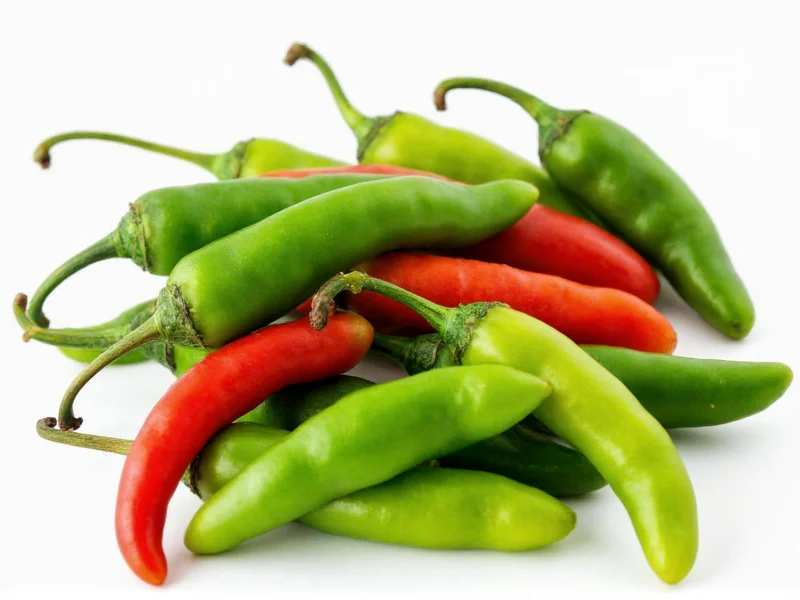
Serrano peppers rank among the most popular medium-heat chilies in Mexican cuisine, prized for their clean, bright flavor profile that enhances dishes without dominating them. Understanding where serranos fall on the spicy scale helps home cooks and professional chefs make informed decisions about substitutions and heat management in recipes.
The Scoville scale, developed by pharmacist Wilbur Scoville in 1912, measures chili pepper heat by determining capsaicin concentration—the compound responsible for that characteristic burning sensation. While modern high-performance liquid chromatography (HPLC) provides more precise measurements today, the Scoville scale remains the standard reference for comparing pepper heat levels in culinary contexts.
Understanding Serrano Pepper Heat Range
Serranos consistently register between 10,000 and 23,000 Scoville Heat Units, though actual heat can vary based on growing conditions, soil composition, and maturity at harvest. Unlike some chilies that show dramatic heat variations between individual specimens, serranos maintain relatively consistent heat within their established range.
Several factors influence serrano pepper heat intensity:
- Color maturity—Red serranos tend to be slightly milder than green ones
- Part of the pepper—Seeds and white membranes contain the highest capsaicin concentration
- Growing conditions—Stress from less water or nutrient-deficient soil increases heat
- Regional variations—Mexican-grown serranos often run hotter than those cultivated elsewhere
| Pepper Variety | Scoville Heat Units | Heat Relative to Serrano |
|---|---|---|
| Habanero | 100,000-350,000 SHU | 5-15x hotter |
| Cayenne | 30,000-50,000 SHU | 1.5-2x hotter |
| Serrano | 10,000-23,000 SHU | Baseline |
| Jalapeño | 2,500-8,000 SHU | 2-4x milder |
| Poblano | 1,000-2,000 SHU | 5-10x milder |
Flavor Profile Beyond the Heat
While heat measurement captures attention, serrano peppers offer distinctive flavor characteristics that make them valuable in culinary applications. They deliver a clean, bright, grassy flavor with subtle citrus notes and less sweetness than jalapeños. This flavor profile works particularly well in fresh salsas, pico de gallo, and guacamole where you want noticeable heat without the fruitiness of habaneros or the earthiness of chipotles.
Chefs appreciate serranos for their ability to provide immediate heat impact without lingering bitterness. When cooked, they develop more complex flavors while maintaining their characteristic sharpness—unlike jalapeños which can become sweeter when roasted. The thinner walls of serranos compared to jalapeños also mean they incorporate more readily into sauces without requiring extensive processing.
Practical Culinary Applications
Understanding serrano pepper heat levels translates directly to kitchen applications. Their medium heat makes them versatile for various preparations:
- Raw applications—Finely diced in fresh salsas, guacamole, or ceviche (use 1-2 peppers for standard salsa recipe)
- Cooked dishes—Added to stews, soups, and braises where heat needs to permeate the entire dish
- Infused oils and vinegars—Whole peppers steeped to create flavorful heat sources
- Garnishes—Thinly sliced raw serranos provide visual appeal and controlled heat bursts
When substituting serranos in recipes, consider both heat level and flavor profile. For milder applications, use half the amount of serranos compared to jalapeños. If substituting jalapeños for serranos, double the quantity but expect a sweeter, less intense heat profile. For hotter applications approaching cayenne territory, combine serranos with a small amount of hotter peppers like Thai chilies.
Safe Handling Practices
Working with serrano peppers requires proper handling techniques to avoid discomfort from capsaicin exposure:
- Always wear disposable gloves when handling serranos, especially when seeding or slicing
- Never touch your face, especially eyes, while working with hot peppers
- Use separate cutting boards for peppers to prevent cross-contamination
- Wash hands thoroughly with soap and water after handling, even when wearing gloves
- Remove accidental capsaicin exposure with dairy products (milk, yogurt) rather than water
If you experience burning sensations despite precautions, apply a small amount of vegetable oil to affected skin areas before washing—capsaicin dissolves in oil more effectively than water. For eye exposure, flush immediately with cool water and seek medical attention if irritation persists.
Storage and Selection Tips
When selecting serrano peppers at the market, look for firm, glossy specimens without wrinkles or soft spots. They should feel heavy for their size with tight, unbroken skin. Green serranos offer the brightest, most vegetal flavor, while red varieties provide slightly more developed heat with subtle fruit notes.
For optimal storage, keep unwashed serranos in a paper bag in the vegetable crisper drawer of your refrigerator. Properly stored, they'll maintain quality for 2-3 weeks. For longer preservation, roast and freeze them in airtight containers, or dry them for later grinding into powder. Never store peppers in plastic bags, as trapped moisture accelerates spoilage.
Common Substitution Scenarios
Understanding serrano pepper heat levels helps navigate substitution challenges in recipes:
- When substituting for jalapeños—Use half the amount of serranos to achieve similar heat levels while maintaining flavor integrity
- When substituting for cayenne—Combine serranos with a small amount of hotter pepper (like Thai bird chili) to approach cayenne's heat profile
- For milder applications—Remove seeds and membranes before using serranos to reduce heat by up to 80%
- For authentic Mexican flavors—Serranos work better than jalapeños in traditional salsas verdes where clean heat is essential
Remember that heat perception varies among individuals—what seems moderately hot to one person might feel extremely hot to another. Always taste-test small amounts when working with new peppers or adjusting recipes.
Understanding Heat Variability
Pepper heat isn't static—it can vary significantly based on multiple factors. Two serranos from the same plant might register different Scoville measurements due to:
- Position on the plant (peppers at the top often run hotter)
- Water stress during growth (less water = more capsaicin)
- Soil nutrient composition (particularly nitrogen levels)
- Harvest timing (fully mature peppers often milder than younger ones)
This natural variability explains why some serranos seem unexpectedly mild while others deliver intense heat. When recipe precision matters, taste a small piece before adding the entire pepper to your dish. Professional kitchens often test pepper heat levels before large-batch preparations to ensure consistency.




 浙公网安备
33010002000092号
浙公网安备
33010002000092号 浙B2-20120091-4