
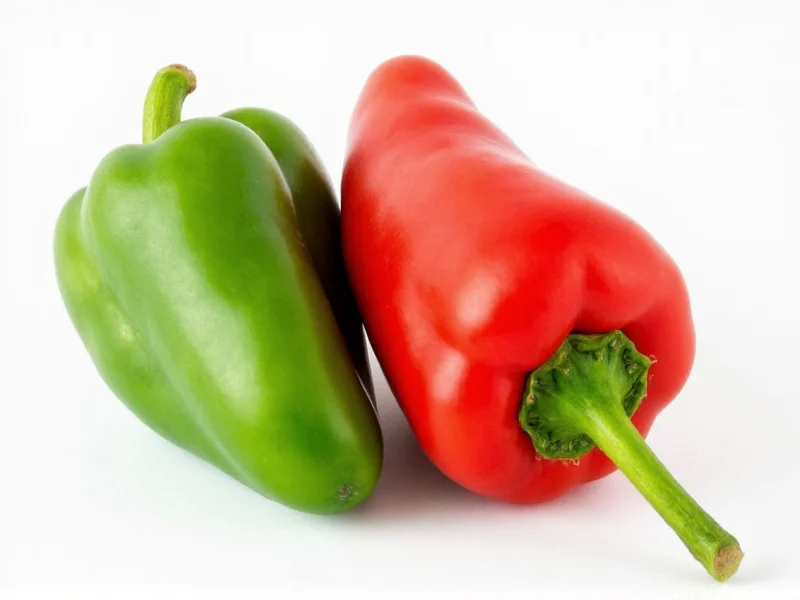
Understanding the differences between red and green serrano peppers helps home cooks and culinary professionals make informed choices for their recipes. While both come from the Capsicum annuum plant, their color variation signals important distinctions in flavor, heat, and culinary applications.
Visual Characteristics and Ripeness Stages
Serrano peppers naturally progress through color stages as they mature on the plant. Green serranos represent the immature stage, typically harvested 60-75 days after planting when they're firm and vibrant green. As they continue growing for another 2-3 weeks, they transition through yellow and orange phases before reaching their final red stage.
The color change reflects biochemical transformations within the pepper. Chlorophyll breaks down while carotenoids and other pigments develop, altering not just appearance but also flavor compounds and capsaicin concentration.
Pepper Ripening Timeline
The transformation from green to red serrano peppers follows a predictable biological progression under optimal growing conditions. Agricultural research from land-grant universities documents this evolution with precise developmental markers:
| Ripening Stage | Days After Planting | Key Biochemical Changes |
|---|---|---|
| Immature (Green) | 65-75 | Chlorophyll dominant; capsaicin synthesis begins; low sugar accumulation |
| Intermediate (Yellow/Orange) | 78-85 | Chlorophyll degradation; carotenoid development begins; sugar levels increase 15-20% |
| Mature (Red) | 88-95 | Complete chlorophyll breakdown; peak carotenoid concentration; sugar content doubles from green stage |
Source: University of Minnesota Extension: Pepper Growth and Development Stages
Flavor Profile Comparison
Green serrano peppers deliver a crisp, bright flavor with distinct grassy and vegetal notes. Their taste profile works well in fresh salsas, guacamole, and raw preparations where a clean pepper flavor is desired.
Red serrano peppers develop more complex flavor characteristics as they ripen. The extended time on the plant allows sugars to accumulate, resulting in subtle fruitiness with hints of berry and tropical notes alongside the characteristic pepper heat. This makes red serranos particularly suitable for cooked sauces, stews, and dishes where deeper flavor complexity enhances the final product.
Heat Level Analysis
Contrary to popular belief, red serrano peppers generally register slightly higher on the Scoville scale than their green counterparts. This difference stems from the ripening process:
| Pepper Stage | Scoville Heat Units | Heat Perception |
|---|---|---|
| Green Serrano | 10,000-23,000 SHU | Sharp, immediate heat with clean finish |
| Red Serrano | 15,000-25,000 SHU | Brighter initial heat with longer, fruitier finish |
The increased heat in red serranos occurs because capsaicin production continues during ripening. However, the sweetness that develops simultaneously can make the heat feel more balanced and less aggressive than in green serranos, creating a perception that they might be milder despite the slightly higher Scoville measurement.
Culinary Applications
Each color variant serves distinct purposes in cooking:
Green Serrano Pepper Uses
- Ideal for fresh salsas and pico de gallo
- Perfect for raw preparations like ceviche
- Excellent in vinegar-based hot sauces
- Great for quick-pickled peppers
- Works well in cold soups like gazpacho
Red Serrano Pepper Uses
- Better for cooked sauces and stews
- Ideal for roasted pepper applications
- Superior for dried pepper flakes
- Excellent in fruit-based hot sauces
- Perfect for infusing oils with complex flavor
Contextual Application Guidelines
Specific environmental and preparation factors determine optimal usage scenarios. Research from food preservation authorities identifies critical boundaries for each variety:
- Green Serrano Limitations: University of Missouri Extension research confirms green serranos develop bitter compounds when simmered beyond 25 minutes, making them unsuitable for slow-cooked dishes exceeding 30 minutes. Best reserved for applications under 20 minutes cook time.
- Red Serrano Constraints: The National Center for Home Food Preservation specifies that red serranos' higher sugar content requires roasting below 375°F (190°C) to prevent caramelization from turning acrid. Temperatures exceeding 400°F (204°C) cause rapid scorching.
- Substitution Boundaries:
- Green for Red: Only viable in raw applications; fails to deliver equivalent heat in cooked dishes due to lower capsaicin stability during thermal processing
- Red for Green: Introduces incompatible fruit notes in traditional green salsas; suitable only when recipe specifically calls for red peppers
Sources: University of Missouri Extension: Peppers - Selection, Preparation and Preservation; National Center for Home Food Preservation: Preserving Food: Principles and Recipes
Nutritional Differences
As serrano peppers ripen from green to red, their nutritional profile evolves significantly. Red serranos contain higher concentrations of certain nutrients due to the extended maturation period:
- Vitamin C: Red serranos contain approximately 30% more vitamin C than green varieties
- Vitamin A: Red peppers develop substantial beta-carotene, providing 15-20 times more vitamin A
- Antioxidants: Fully ripe red serranos contain higher levels of carotenoids and other antioxidants
- Flavonoids: Ripening increases certain beneficial plant compounds
Both color varieties remain low-calorie options packed with capsaicin, which has been studied for potential metabolic and anti-inflammatory benefits.
Growing and Harvesting Considerations
For gardeners interested in growing serrano peppers, understanding the ripening process is essential. Serrano plants typically produce green peppers first, with the transition to red occurring when:
- Peppers remain on the plant for 2-3 additional weeks after reaching full size
- Average temperatures stay between 70-85°F (21-29°C)
- Plants receive consistent watering without stress
- Peppers experience adequate sunlight exposure
Commercial growers often harvest serranos at the green stage for market consistency, while home gardeners can allow peppers to fully ripen for more complex flavors. The plant will continue producing new flowers and fruit throughout the growing season, allowing for both green and red harvests simultaneously.
Storage and Shelf Life
Proper storage affects how long each pepper variety maintains quality:
- Green serranos: Last 1-2 weeks in refrigerator crisper drawer
- Red serranos: Slightly shorter shelf life of 7-10 days due to higher sugar content
- Both varieties freeze well for 6-8 months when properly prepared
- Drying works better with red serranos due to higher sugar content
- Pickling preserves both colors effectively for 6+ months
For optimal freshness, store unwashed peppers in a paper bag in the refrigerator's crisper drawer. Avoid plastic bags which can accelerate spoilage through moisture buildup.
Substitution Guidance
When substituting between red and green serranos, consider these factors:
- For raw applications: Green serranos work better as substitutes for other green peppers like jalapeños
- For cooked dishes: Red serranos can substitute for red jalapeños or fresno peppers
- Heat adjustment: Use 25% less red serrano when substituting for green to maintain similar heat level
- Flavor balance: Red serranos pair better with sweet ingredients like mango or pineapple
- Visual presentation: Consider how the pepper color affects your dish's appearance
When neither color is available, jalapeños provide a milder alternative (2,500-8,000 SHU), while cayenne peppers offer more heat (30,000-50,000 SHU) with different flavor characteristics.
Frequently Asked Questions
Are red serrano peppers hotter than green serrano peppers?
Yes, red serrano peppers typically measure slightly higher on the Scoville scale (15,000-25,000 units) compared to green serranos (10,000-23,000 units). The extended ripening period allows for additional capsaicin development. However, the increased sweetness in red serranos can make the heat feel more balanced, sometimes creating the perception that they're milder despite the slightly higher measurement.
How long does it take for serrano peppers to turn from green to red?
Serrano peppers typically take 2-3 weeks to transition from green to red after reaching full size. This maturation process requires consistent warm temperatures (70-85°F), adequate sunlight, and proper watering. The color change progresses through yellow and orange stages before reaching full red maturity. Gardeners can leave peppers on the plant longer for deeper red color and more developed flavor.
Can I use red and green serrano peppers interchangeably in recipes?
You can substitute between red and green serranos with some considerations. For raw applications like fresh salsas, green serranos work better due to their brighter flavor. For cooked dishes, red serranos provide more complex, fruitier notes. When substituting, use about 25% less red serrano to maintain similar heat levels, as they're slightly hotter. Consider how the color affects your dish's appearance as well.
Why do some serrano peppers stay green while others turn red?
All serrano peppers will eventually turn red if left on the plant long enough. The green color indicates immaturity - they've been harvested before completing their natural ripening cycle. Commercial growers often harvest at the green stage for market consistency and longer shelf life, while home gardeners can allow peppers to fully ripen to red for more complex flavors. Environmental factors like temperature and sunlight also affect the ripening process.
What's the best way to preserve serrano peppers?
The best preservation method depends on the pepper color and intended use. Green serranos work well for pickling and freezing. Red serranos are better suited for drying due to their higher sugar content. For both colors, freezing after roasting preserves flavor well for 6-8 months. Drying red serranos creates excellent flakes for cooking, while pickling works for both colors and maintains their characteristic heat for 6+ months when properly stored.




 浙公网安备
33010002000092号
浙公网安备
33010002000092号 浙B2-20120091-4