
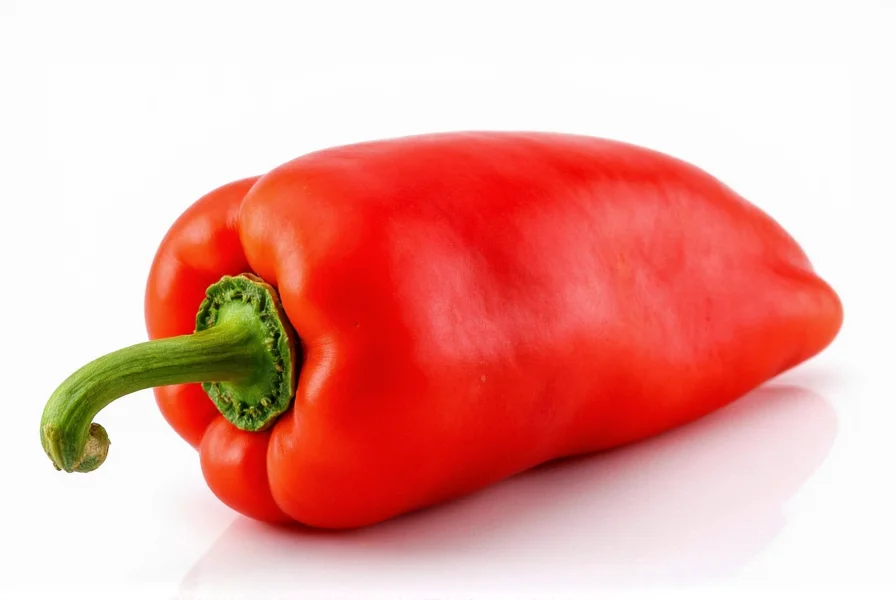
Serrano peppers deliver a distinctive kick that elevates countless dishes while maintaining nuanced flavor. Understanding their characteristics helps home cooks and culinary enthusiasts incorporate them effectively while avoiding common pitfalls.
Understanding Serrano Pepper Characteristics
Native to Mexico's mountainous regions, serrano peppers (Capsicum annuum) have been cultivated for centuries. Archaeological evidence indicates chile peppers were first domesticated in Mexico around 6,000 years ago (Smithsonian, 2014), with serrano varieties becoming prominent in regional cuisine by the 19th century. These peppers grow upright on compact plants, distinguishing them from hanging jalapeño varieties. Their name derives from sierras (mountains), reflecting their preferred high-altitude growing conditions.
These 1-4 inch chilies typically measure 10,000-23,000 SHU on the Scoville scale. For comparison, this makes them consistently hotter than jalapeños (2,500-8,000 SHU) but milder than habaneros (100,000-350,000 SHU). Heat intensity varies based on growing conditions, with stressed plants producing significantly hotter peppers.
| Pepper Variety | Scoville Heat Units | Flavor Profile | Common Uses |
|---|---|---|---|
| Serrano | 10,000-23,000 | Bright, grassy, citrus notes | Salsas, sauces, garnishes |
| Jalapeño | 2,500-8,000 | Earthy, vegetal | Stuffed peppers, nachos, poppers |
| Habanero | 100,000-350,000 | Fruity, floral | Hot sauces, Caribbean dishes |
Historical Evolution of Serrano Peppers
- 6000 BCE: Earliest archaeological evidence of chile domestication in Mexico's Tehuacán Valley (Smithsonian, 2014)
- 16th Century: Spanish documentation of mountain-grown chiles in colonial Mexico
- 19th Century: Serrano varieties formally recognized in regional Mexican cookbooks
- 1970s: Commercial cultivation expands beyond Mexico to California and Florida
- 2010s: Global popularity surge driven by craft hot sauce movement
Selecting and Storing Fresh Serranos
When choosing serrano peppers at farmers markets or grocery stores, look for firm specimens with smooth, glossy skin free of wrinkles or soft spots. Mature peppers transition from bright green to vibrant red, orange, or yellow, with color changes indicating flavor development rather than heat increase.
Store unwashed serranos in a paper bag in your refrigerator's crisper drawer for up to three weeks. For extended preservation, freeze whole peppers on a baking sheet before transferring to airtight containers—they'll remain usable for cooking (though texture changes) for 6-8 months. Never store hot peppers near ethylene-producing fruits like bananas, which accelerate ripening and potential spoilage.
Serrano vs Jalapeño: Key Differences
While both popular in Mexican cuisine, serrano peppers differ significantly from jalapeños:
- Heat level: Serranos average 2-5 times hotter than jalapeños
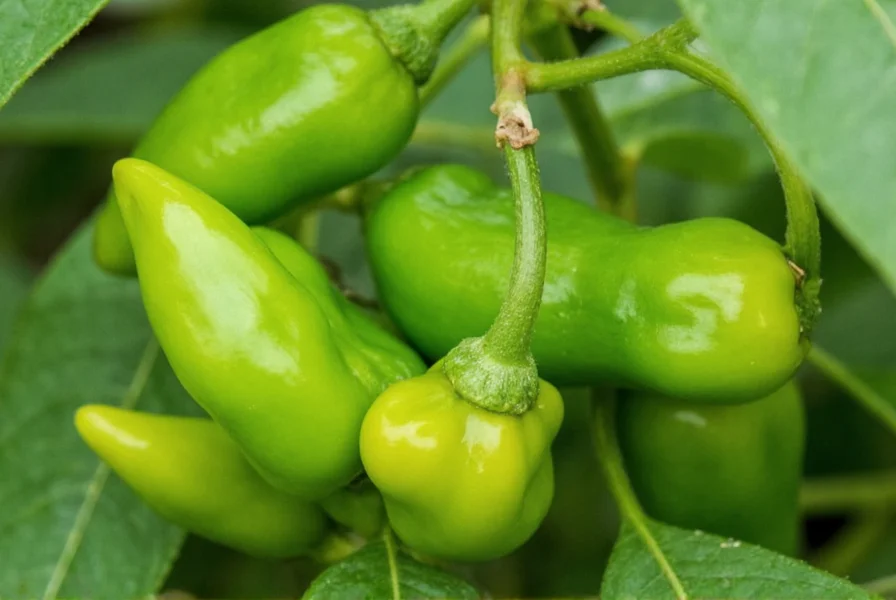
- Shape: Serranos are slender (0.5 inches diameter) versus jalapeños' bulbous form (1 inch diameter)
- Growth habit: Serranos grow pointing upward; jalapeños hang downward
- Flavor complexity: Serranos offer brighter, more floral notes compared to jalapeños' earthier profile
Understanding these differences helps when selecting serrano pepper substitutes. When a recipe calls for serranos but you only have jalapeños, use 2-3 times the quantity while removing seeds and membranes to approach similar heat levels.
Safe Handling Practices for Hot Peppers
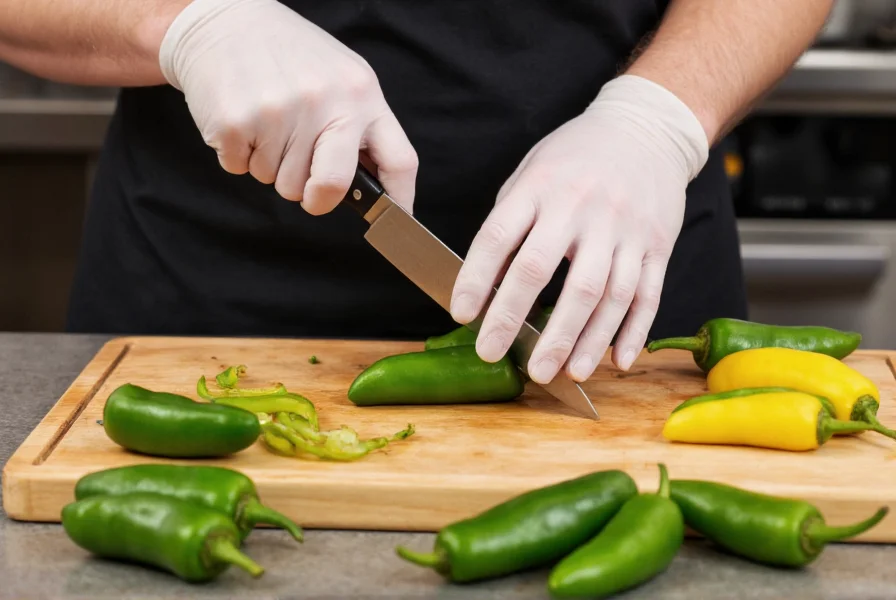
Capsaicin, the compound responsible for chili heat, transfers easily to skin and eyes. Always follow these safety protocols when preparing serrano peppers:
- Wear disposable gloves during handling
- Avoid touching face, especially eyes
- Use dedicated cutting boards (glass or plastic preferred)
- Wash hands thoroughly with soapy water after handling
- Remove seeds and white membranes for milder heat
If capsaicin contacts skin, wash with vinegar or oil before soap and water. For eye exposure, flush with cool water for 15 minutes and seek medical attention if irritation persists.
Culinary Applications and Recipe Ideas
Serrano peppers shine in applications where their bright heat complements rather than overwhelms other ingredients. However, they have specific context boundaries: their volatile flavor compounds degrade with prolonged cooking beyond 15 minutes, so they're best added in the final stages of preparation (UGA Extension, 2020). Additionally, they're unsuitable for dishes requiring mild heat without modification (e.g., children's meals) due to their minimum 10,000 SHU baseline. Their thin walls and crisp texture make them ideal for:
- Raw salsas: Finely diced in pico de gallo or salsa verde
- Vinegar-based hot sauces: Blended with garlic, vinegar, and salt
- Garnishes: Thinly sliced atop tacos, guacamole, or soups
- Infused oils: Steeped in olive oil for drizzling (requires proper food safety)
- Marinades: Combined with citrus juices for meats and vegetables
For beginners working with serrano hot pepper heat level, start with half a pepper per recipe serving four people. Remember that cooking concentrates heat initially before breaking down capsaicin compounds over extended periods.
Nutritional Benefits and Growing Tips
Beyond their culinary appeal, serrano peppers provide notable nutritional value. A single 14-gram pepper contains:
- 30% of daily vitamin C requirements
- Significant vitamin A and B6
- Antioxidants like capsaicin and carotenoids
- Negligible calories (8 per pepper)
Growing serrano peppers requires 70-90 frost-free days. Start seeds indoors 8-10 weeks before last frost, transplanting when soil reaches 60°F. They thrive in containers (5-gallon minimum) with well-draining soil, full sun, and consistent watering. Harvest when peppers reach 1.5-4 inches and snap easily from the stem.




 浙公网安备
33010002000092号
浙公网安备
33010002000092号 浙B2-20120091-4