
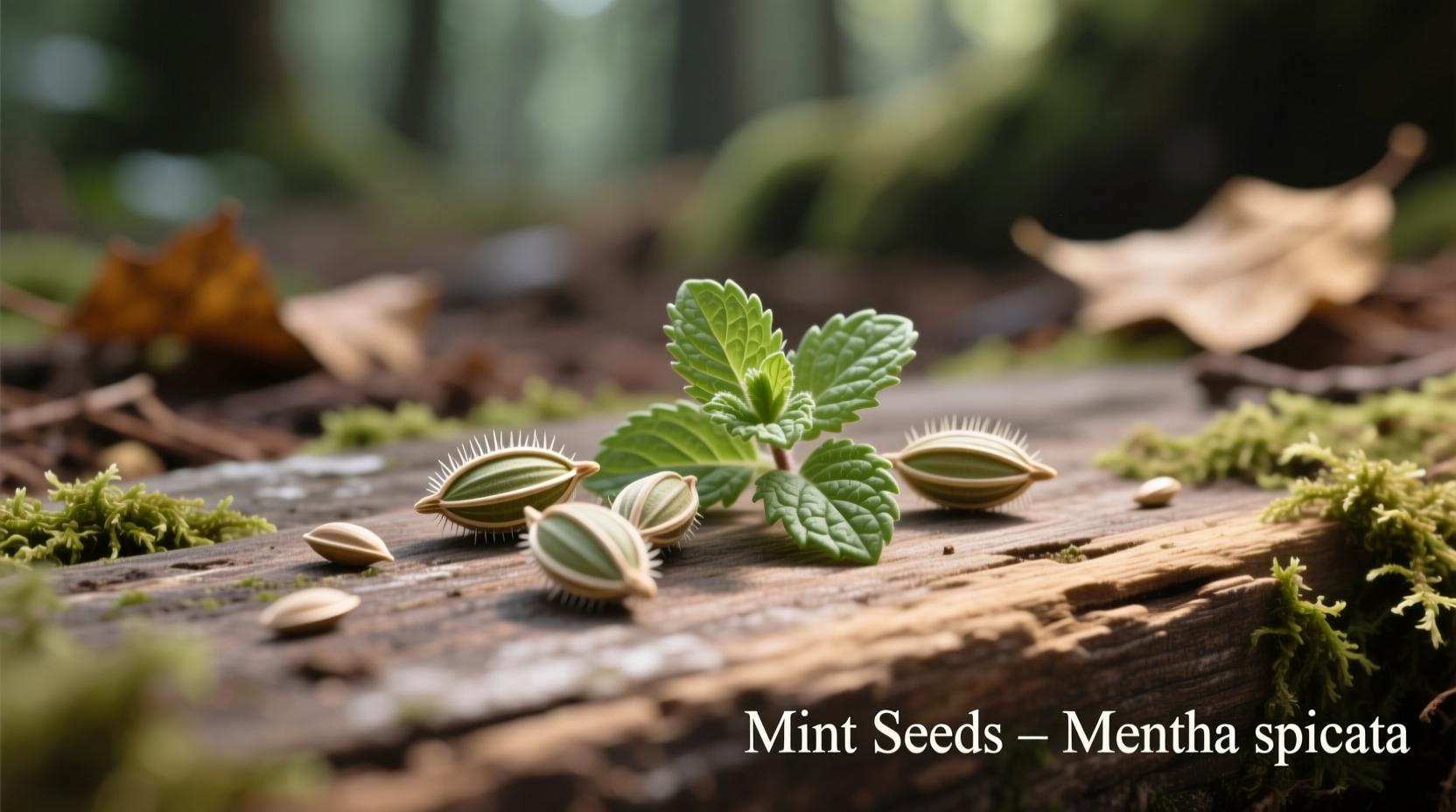
While searching for seeds for mint plant seems logical, experienced gardeners know this approach often leads to disappointing results. Mint's complex hybrid nature means that even if seeds germinate successfully—which happens only 30-50% of the time under optimal conditions—the resulting plants frequently lack the characteristic flavor and vigor of the parent plant.
Why Mint Seeds Rarely Produce Reliable Plants
Mint belongs to the Mentha genus, which contains approximately 25 natural species and countless hybrids. The genetic instability of these hybrids explains why growing mint from seeds proves problematic. When you plant mint seeds, you're essentially gambling on the genetic lottery. Cornell University's School of Integrative Plant Science confirms that most commercially available mint varieties are sterile hybrids that don't produce viable seeds or yield plants with inconsistent characteristics.
| Propagation Method | Success Rate | Time to Harvest | Genetic Reliability |
|---|---|---|---|
| Seeds | 30-50% | 12-16 weeks | Low (20-30% true to type) |
| Cuttings | 85-95% | 6-8 weeks | High (95% identical to parent) |
| Root Division | 90-98% | 4-6 weeks | High (100% identical to parent) |
This mint propagation comparison chart demonstrates why experienced gardeners avoid relying on seeds. The University of Minnesota Extension program specifically advises against starting mint from seeds for home gardeners seeking consistent results.
When Seeds Might Actually Work for Mint
Despite the challenges, certain mint varieties can grow reasonably well from seeds under specific conditions. Native mint species like Mentha arvensis (cornmint) and Mentha longifolia (horsemint) maintain better seed viability than popular garden hybrids. The USDA Plant Database indicates these species have germination rates approaching 60% when fresh seeds receive proper cold stratification.
For gardeners determined to try planting mint seeds, follow these evidence-based steps:
- Seed selection: Choose heirloom or species-specific mints rather than named hybrids
- Cold treatment: Refrigerate seeds in moist medium for 2-3 weeks before planting
- Planting depth: Sow seeds no deeper than 1/8 inch in well-draining soil
- Light requirements: Provide consistent indirect light during germination
- Temperature: Maintain soil temperature between 65-75°F (18-24°C)
Even with perfect conditions, expect only 30-50% germination rates for most mint varieties. The Royal Horticultural Society notes that seed-grown mint often takes 14-21 days to emerge—significantly longer than cuttings which typically root in 7-10 days.
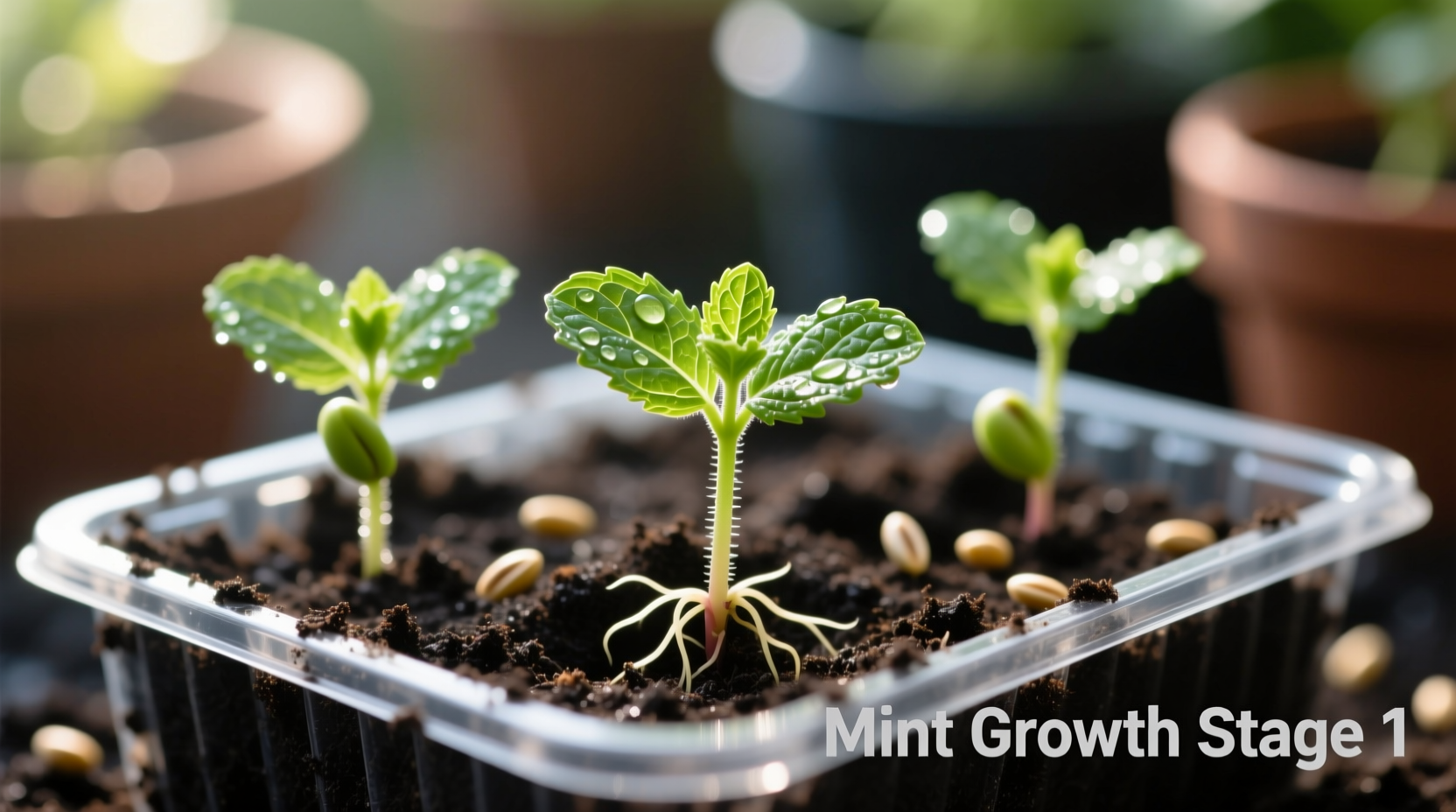
Better Alternatives to Mint Seeds
For reliable results with growing mint plants, consider these proven methods preferred by professional horticulturists:
Propagation Through Cuttings
This method produces identical clones of the parent plant with minimal effort. Simply:
- Take 4-6 inch stem cuttings from healthy mint plants
- Remove lower leaves and place in water or moist potting mix
- Keep in indirect light until roots develop (typically 7-10 days)
- Transplant to garden or container once roots reach 1-2 inches
Root Division Technique
Dividing established mint plants remains the most reliable propagation method:
- Dig up mature mint plant in early spring or fall
- Separate root ball into sections with 2-3 shoots each
- Replant divisions immediately at same soil depth
- Water thoroughly and provide partial shade for first week
According to Michigan State University Extension, root division yields harvestable mint within 4-6 weeks—nearly three times faster than starting from seeds.
Mint Varieties That Might Work From Seeds
If you're committed to growing mint from seeds, focus on these more reliable options:
- Appalachian mint (Mentha arvensis) - Native species with decent seed viability
- Wild bergamot (Monarda fistulosa) - Often called "bee balm," reliably grows from seed
- Chocolate mint - Some seed strains maintain reasonable consistency
- Apple mint - Higher success rate with fresh seeds
Remember that even these varieties show significant variation when grown from seed. The North Carolina State University Cooperative Extension warns that seed-grown mint often develops weaker flavor profiles compared to vegetatively propagated plants.
Essential Care for Newly Planted Mint
Whether you've successfully germinated mint plant seeds or used alternative propagation methods, proper care ensures healthy growth:
- Containment: Plant mint in containers or use root barriers—mint spreads aggressively through underground runners
- Watering: Keep soil consistently moist but not waterlogged
- Sun exposure: Provide 4-6 hours of direct sunlight daily
- Soil pH: Maintain slightly acidic to neutral soil (6.0-7.5)
- Fertilizing: Apply balanced fertilizer only in spring
The University of California Master Gardener Program emphasizes that mint's invasive nature requires careful management. They report that unrestricted mint plants can spread up to 4 feet per year through underground rhizomes, potentially overwhelming other garden plants.
Harvesting and Maintaining Your Mint Plants
For optimal flavor and plant health:
- Begin harvesting when plants reach 6-8 inches tall
- Cut stems just above leaf nodes to encourage bushier growth
- Harvest in morning after dew dries for peak essential oil concentration
- Regularly prune flowering stems to maintain leaf production
- Divide plants every 2-3 years to prevent overcrowding
Properly maintained mint plants can remain productive for 5-7 years. The Royal Botanic Gardens, Kew notes that regularly harvested mint produces higher concentrations of menthol and other flavor compounds compared to unharvested plants.




 浙公网安备
33010002000092号
浙公网安备
33010002000092号 浙B2-20120091-4