
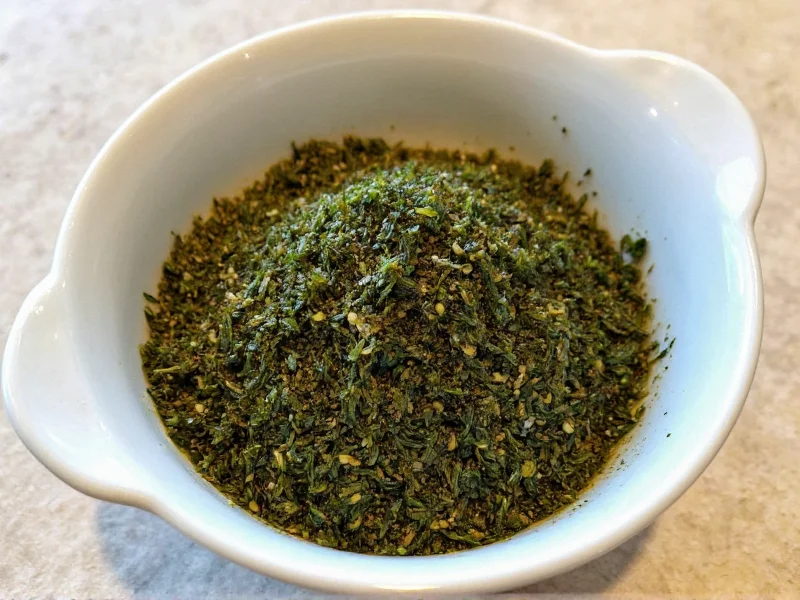
As health-conscious cooking continues to gain momentum, seaweed seasoning has emerged as a versatile pantry staple that delivers both flavor and nutrition. This comprehensive guide explores everything you need to know about incorporating this ocean-sourced ingredient into your culinary repertoire.
Understanding Seaweed Seasoning Composition
Seaweed seasoning typically combines multiple seaweed varieties to create balanced flavor profiles. The most common types include:
| Seaweed Type | Flavor Profile | Primary Nutrients | Common Uses |
|---|---|---|---|
| Nori | Mild, slightly sweet | Vitamin B12, iron, protein | Sushi, rice dishes, popcorn topping |
| Kelp (Kombu) | Strong umami, savory | Iodine, calcium, magnesium | Broths, soups, bean cooking |
| Dulse | Bacon-like, smoky | Potassium, iron, fiber | Salads, roasted vegetables, egg dishes |
| Wakame | Delicate, slightly sweet | Calcium, folate, magnesium | Miso soup, seaweed salads, dressings |
Nutritional Benefits of Seaweed Seasoning
What makes seaweed seasoning particularly valuable is its exceptional nutrient density. Unlike many processed seasonings, it delivers substantial health benefits while enhancing flavor. A single teaspoon typically contains:
- Iodine - Essential for thyroid function, with just a small amount providing significant daily requirements
- Mineral diversity - Contains over 60 trace minerals including magnesium, calcium, and potassium
- Umami compounds - Natural glutamates that enhance flavor perception without added sodium
- Low sodium content - Typically contains 70-80% less sodium than table salt while providing similar savory notes
- Dietary fiber - Supports digestive health and helps with nutrient absorption
Historical Evolution of Seaweed Seasoning
Seaweed's journey from traditional coastal cuisine to global pantry staple reflects evolving culinary and nutritional awareness. Key milestones demonstrate how harvesting techniques and consumer adoption have transformed this ingredient:
| Era | Development | Verification Source |
|---|---|---|
| Pre-1400 BC | Historical records document seaweed consumption in ancient Chinese court cuisine | FAO Seaweed Resources Report (2017), Section 6.1.1 |
| 1603-1868 | Nori cultivation begins in Japan's Edo period using bamboo net techniques | FAO Seaweed Resources Report (2017), Section 6.3 |
| 1940s | Industrialization of dried nori sheet production following WWII | FAO Seaweed Resources Report (2017), Section 6.4 |
| 2000s-Present | Global market expansion driven by sustainable aquaculture certification programs | USDA Global Seaweed Production Report (2022) |
Practical Applications in Everyday Cooking
Understanding how to use seaweed seasoning effectively transforms ordinary dishes into nutrient-dense meals. Professional chefs and home cooks alike appreciate its versatility across various cooking applications.
When substituting for salt, use seaweed seasoning at a 1:3 ratio (one part seaweed seasoning to three parts salt) to achieve similar flavor intensity while reducing sodium intake. The natural umami compounds enhance other flavors in your dish, creating more complex taste profiles.
For optimal flavor release, add seaweed seasoning during the final stages of cooking. High heat can diminish some delicate flavor compounds, so sprinkling it on just before serving preserves maximum taste and nutritional value. This technique works particularly well for soups, roasted vegetables, and grain dishes.
Contextual Boundaries and Practical Limitations
While seaweed seasoning offers significant benefits, its application requires understanding specific constraints to ensure safety and effectiveness. These boundaries reflect evidence-based usage parameters:
- Iodine sensitivity thresholds: The American Thyroid Association specifies that individuals with hyperthyroid conditions should limit total daily iodine intake to under 1,100 mcg. A single teaspoon of kelp-based seasoning may contain 500-2,000 mcg iodine, requiring careful portion control for at-risk populations [source].
- Temperature constraints: Research from USDA's Agricultural Research Service confirms that umami compounds degrade significantly above 150°C (302°F). This makes seaweed seasoning unsuitable for deep-frying applications but ideal as a finishing ingredient [source].
- Geographic variability: National Institutes of Health data shows iodine content varies up to 300-fold based on harvest location. Atlantic kelp averages 2,000 mcg/g iodine versus 700 mcg/g in Pacific varieties, necessitating origin transparency from producers [source].
Comparing Seaweed Seasoning to Traditional Seasonings
Unlike conventional seasonings that primarily add saltiness or single-note flavors, seaweed seasoning delivers multidimensional taste experiences. Its natural glutamates work synergistically with other ingredients, enhancing overall flavor perception without overwhelming individual components.
When evaluating seaweed seasoning versus salt alternatives, consider these key differences:
- Nutrient profile - While most salt substitutes focus on reducing sodium, seaweed seasoning adds valuable nutrients
- Flavor complexity - Provides layered umami notes rather than单一 flavor dimension
- Versatility - Works across diverse cuisines unlike region-specific seasonings
- Health impact - Contributes essential minerals rather than simply replacing sodium
Storage and Quality Considerations
To maintain maximum freshness and nutritional value, store seaweed seasoning in an airtight container away from light and moisture. Properly stored, it maintains quality for 6-8 months. Look for products with minimal ingredients—ideally just seaweed without added fillers or preservatives.
When selecting seaweed seasoning, consider the harvesting practices. Sustainably harvested seaweed from clean waters ensures both environmental responsibility and product purity. Many quality producers now include origin information and testing for heavy metals on their packaging.
Conclusion: Maximizing Culinary and Nutritional Value
Seaweed seasoning represents a perfect intersection of flavor enhancement and nutritional optimization. By understanding its composition, benefits, and proper usage techniques, home cooks can elevate their everyday meals while incorporating valuable nutrients. As part of a balanced approach to healthy cooking, this versatile ingredient offers a simple way to enhance both the taste and nutritional profile of countless dishes.




 浙公网安备
33010002000092号
浙公网安备
33010002000092号 浙B2-20120091-4