
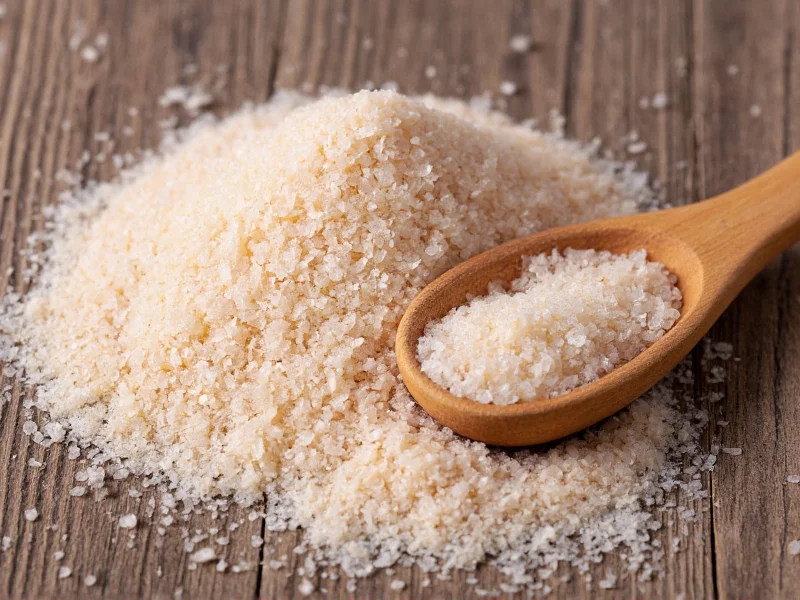
For individuals navigating sodium restrictions, finding flavorful alternatives to traditional seasoning salt becomes essential. Medical professionals often recommend limiting sodium intake to less than 2,300 mg daily, with ideal targets around 1,500 mg for those with cardiovascular concerns. This creates a significant challenge for home cooks who rely on seasoning salts for flavor enhancement but must avoid sodium.
Evolution of Sodium Recommendations: A Timeline
The understanding of sodium's impact on health has evolved significantly, leading to current recommendations for salt-free alternatives. Key developments include:
- 2004: The Institute of Medicine (IOM) established the Adequate Intake (AI) for sodium at 1,500 mg per day for adults aged 19-50, with an upper limit of 2,300 mg to prevent chronic disease.
- 2010: The Dietary Guidelines for Americans maintained the 2,300 mg daily limit for the general population and recommended 1,500 mg for individuals with hypertension, diabetes, or chronic kidney disease, and for African Americans.
- 2019: The National Academies of Sciences, Engineering, and Medicine reaffirmed the upper limit of 2,300 mg but emphasized that reducing intake to 1,500 mg provides additional health benefits, particularly for cardiovascular health.
- 2021: The American Heart Association updated its scientific statement, recommending an ideal limit of 1,500 mg per day for most adults to reduce cardiovascular disease risk.
Sources: National Academies: Dietary Reference Intakes for Sodium and Potassium (2019); American Heart Association: Sodium Recommendations for Americans (2021)
Understanding Salt-Free Seasoning Alternatives
Salt-free seasoning blends work by leveraging the natural umami and aromatic properties of various ingredients. Unlike their sodium-laden counterparts, these alternatives focus on building complex flavor profiles through:
- Garlic and onion powders for savory depth
- Paprika and chili powders for warmth and complexity
- Dried herbs like thyme, oregano, and rosemary for earthy notes
- Citrus zest powders for brightness
- Umami boosters like mushroom powder or nutritional yeast
The science behind effective salt-free seasonings lies in understanding how different flavor compounds interact. Compounds like glutamates in tomatoes and mushrooms, nucleotides in dried seafood, and various volatile oils in herbs can stimulate the same taste receptors that sodium activates, creating a perception of savoriness without actual salt.
Creating Your Own Salt-Free Seasoning Blends
Homemade salt-free seasoning mixes offer complete control over ingredients and flavor profiles. The following foundational recipe serves as a versatile base that can be customized to suit various cuisines:
| Ingredient | Amount | Flavor Profile | Best Uses |
|---|---|---|---|
| Paprika | 3 tbsp | Earthy, slightly sweet | Meats, roasted vegetables |
| Garlic powder | 2 tbsp | Savory, pungent | All-purpose seasoning |
| Onion powder | 2 tbsp | Sweet, aromatic | Gravies, soups |
| Dried thyme | 1 tbsp | Earthy, floral | Poultry, stews |
| Black pepper | 1 tbsp | Sharp, warm | Universal enhancer |
| Lemon zest powder | 1 tsp | Bright, citrusy | Fish, vegetables |
Mix these ingredients thoroughly and store in an airtight container away from light and moisture. This basic blend provides approximately 1/4 cup of seasoning with zero sodium content. For specialized variations, consider these adaptations:
Mediterranean Style
Add 1 tablespoon dried oregano, 2 teaspoons dried basil, and 1 teaspoon dried rosemary. Excellent for roasted vegetables, grilled fish, and tomato-based dishes.
Southwest Style
Incorporate 1 tablespoon chili powder, 2 teaspoons cumin, and 1 teaspoon smoked paprika. Perfect for beans, corn, and lean meats.
Herbes de Provence Style
Include 1 tablespoon dried marjoram, 2 teaspoons dried lavender, and 1 teaspoon fennel seed. Ideal for poultry, mushrooms, and egg dishes.
Commercial Salt-Free Seasoning Options
For those without time to create homemade blends, several reputable brands offer quality sodium-free seasoning alternatives. When evaluating commercial products, look for:
- Simple ingredient lists without artificial additives
- No hidden sodium sources like monosodium glutamate (MSG)
- Transparent labeling of sodium content (should state 0mg per serving)
- Positive reviews from consumers with similar dietary needs
Popular options include Mrs. Dash original blend, Penzeys Spices no-salt blends, and Frontier Co-op sodium-free seasonings. Each brand offers multiple flavor profiles catering to different culinary traditions.
Substitution Guidelines for Salt-Free Seasoning
When replacing traditional seasoning salt with sodium-free alternatives, understanding proper ratios is crucial for maintaining flavor balance:
- For every 1 teaspoon of regular seasoning salt, use 1-1.5 teaspoons of salt-free blend
- Add acid (lemon juice or vinegar) to enhance flavor perception
- Allow extra time for flavors to develop in cooked dishes
- Consider adding a small amount of potassium chloride if approved by your healthcare provider
Remember that salt-free seasonings work differently than sodium-based ones. They build flavor gradually rather than providing immediate taste enhancement. This means you may need to adjust cooking techniques, such as layering seasonings throughout the cooking process rather than adding everything at once.
Health Benefits of Reducing Sodium Through Seasoning Alternatives
Adopting salt-free seasoning blends contributes to significant health improvements, particularly for individuals with:
- Hypertension (high blood pressure)
- Heart disease
- Kidney conditions
- Edema or fluid retention issues
Research shows that reducing sodium intake by just 1,000 mg daily can lower systolic blood pressure by 5-7 mm Hg in hypertensive individuals. By eliminating the sodium typically found in seasoning salts (approximately 480 mg per 1/4 teaspoon), you make meaningful progress toward healthier sodium levels without sacrificing flavor.
Troubleshooting Common Challenges
Transitioning to salt-free seasonings often presents certain challenges. Here's how to address them:
"My food tastes bland with salt-free seasonings"
Solution: Build flavor complexity by using multiple seasoning layers. Add some seasoning early in cooking for flavor penetration, more during cooking, and a final sprinkle of fresh herbs at the end. Incorporate acid (lemon juice, vinegar) and umami boosters (mushroom powder, tomato paste) to enhance overall flavor perception.
"I can't find the same flavor intensity"
Solution: Increase the amount of seasoning slightly (up to 50% more than you'd use with salted versions) and allow more time for flavors to develop. Roasting spices before use can intensify their flavor compounds.
"Recipes don't specify how much to use"
Solution: Start with 1.5 times the amount of salt-free seasoning you would use of regular seasoning salt. Adjust to taste after 10-15 minutes of cooking, as flavors continue to develop.
Contextual Limitations of Salt-Free Seasonings
While salt-free seasonings offer significant health benefits, they function differently than sodium-based seasonings and may not be ideal in every culinary context. Understanding these boundaries ensures realistic expectations and optimal usage:
- Short-Cooking Applications: In dishes with very brief cooking times (like stir-fries or quick sautés), salt-free blends may not have sufficient time to infuse flavors. Solution: Pre-mix seasonings with a small amount of oil to create a paste that adheres better to ingredients.
- Preservation Requirements: Sodium acts as a preservative in traditional preparations (such as curing meats or pickling). Salt-free alternatives cannot replicate this function. For preservation, consider alternative methods like vinegar-based pickling or refrigeration.
- Texture-Dependent Dishes: In recipes where salt contributes to texture (such as in bread dough development), removing sodium may affect the final product. Bakers should consult specialized low-sodium baking resources for adjustments.
- Palate Adaptation Period: It typically takes 4-8 weeks for taste buds to adjust to lower sodium levels, during which salt-free seasonings may seem less satisfying. Gradual reduction of sodium while introducing flavorful alternatives is recommended. Source: National Heart, Lung, and Blood Institute




 浙公网安备
33010002000092号
浙公网安备
33010002000092号 浙B2-20120091-4