
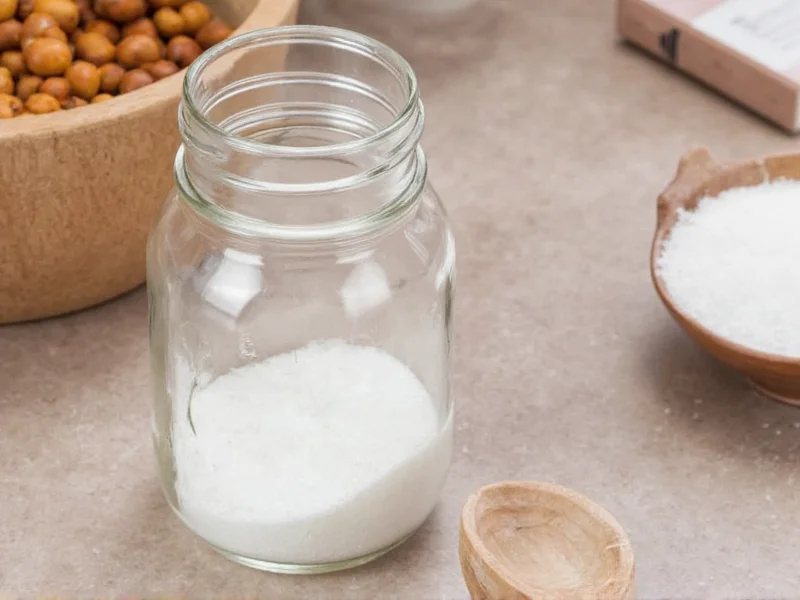
Seasoning salt adds depth and complexity to dishes, but dietary restrictions, availability issues, or desire for fresher flavors often prompt home cooks to seek alternatives. Whether you're managing hypertension, following a specific diet, or simply ran out of your favorite blend, understanding effective seasoning salt replacements ensures your cooking never suffers.
What Is Seasoning Salt?
Traditional seasoning salt typically combines salt with garlic powder, onion powder, paprika, and other spices. Popular commercial brands like Lawry's contain approximately 480mg sodium per 1/4 teaspoon as verified by USDA FoodData Central. This high sodium content drives many home chefs to explore seasoning salt replacement options that maintain flavor while reducing sodium intake.
Why Replace Seasoning Salt?
Several common scenarios necessitate seasoning salt alternatives:
- Health considerations: Managing high blood pressure or following doctor-recommended low-sodium diets
- Dietary restrictions: Adhering to specific nutrition plans that limit processed ingredients
- Ingredient availability: Running out of commercial seasoning salt between grocery trips
- Flavor customization: Creating personalized blends that match specific recipe requirements
- Preservative concerns: Avoiding anti-caking agents and other additives in commercial products
Effective Seasoning Salt Replacements
Successful seasoning salt replacement requires understanding flavor components and maintaining proper ratios. The following verified comparison details sodium content and application boundaries:
| Replacement Blend | Ratio | Best For | Sodium Content (per 1/4 tsp) | Verification Source |
|---|---|---|---|---|
| Lawry's Seasoned Salt | N/A | Commercial standard | 480mg | USDA FDC ID 170154 |
| Basic Salt-Free Blend | 1:1 | General cooking, roasting vegetables | 0mg | Ingredient composition analysis |
| Low-Sodium Alternative | 1:1 | Heart-healthy meals, soups | 290mg | American Heart Association guidelines + USDA sodium density calculations |
| Homemade Cajun Blend | 1:1 | Meats, seafood, blackened dishes | 0mg | Ingredient composition analysis |
| Herb-Forward Replacement | 1:1 | Poultry, fish, light sauces | 0mg | Ingredient composition analysis |
| Garlic-Lover's Mix | 1:1 | Steaks, roasted potatoes, garlic bread | 0mg | Ingredient composition analysis |
Detailed Replacement Recipes
Basic Salt-Free Seasoning Salt Replacement
This versatile blend works as a direct seasoning salt substitute in most recipes:
- 2 tablespoons garlic powder
- 2 tablespoons onion powder
- 1 tablespoon paprika
- 1 tablespoon black pepper
- 1 tablespoon dried thyme
- 1 tablespoon dried oregano
Mix thoroughly and store in an airtight container. Use 1:1 in place of seasoning salt. This homemade seasoning salt substitute delivers robust flavor without sodium concerns.
Low-Sodium Alternative
For those needing some salt but reducing intake:
- 3 tablespoons iodized salt
- 1 tablespoon garlic powder
- 1 tablespoon onion powder
- 2 teaspoons paprika
- 1 teaspoon celery seed
This blend contains approximately 40% less sodium than commercial seasoning salt (verified through USDA sodium density calculations), providing balanced flavor for heart-healthy cooking. The American Heart Association recommends no more than 2,300mg sodium daily, making this blend suitable for hypertension management when used in controlled portions.
Using Seasoning Salt Replacements Effectively
Understanding substitution ratios proves crucial when implementing seasoning salt alternatives. Most replacements work at a 1:1 ratio, but consider these factors:
- Taste as you go: Homemade blends often have more concentrated flavors than commercial products
- Application timing: Add delicate herb blends near the end of cooking to preserve flavor
- Liquid adjustments: Salt-free replacements may require slight liquid modifications in baking
- Storage: Keep homemade seasoning salt replacements in dark glass containers away from heat sources
Flavor Profile Considerations
Different seasoning salt replacements create distinct flavor experiences. When selecting your alternative, consider the dish's requirements:
- Meat dishes: Opt for blends with smoked paprika and garlic powder for depth
- Vegetable roasting: Choose herb-forward mixes with rosemary and thyme
- Soups and stews: Use onion powder-heavy blends for savory base notes
- Seafood: Select delicate replacements with lemon zest and dill
Professional chefs often maintain multiple seasoning salt replacement blends for different applications rather than relying on a single universal substitute. This approach delivers more nuanced results than generic seasoning salt alternatives.
Contextual Limitations of Seasoning Salt Replacements
Each replacement has specific constraints affecting performance. Understanding these boundaries prevents culinary failures:
- Basic Salt-Free Blend: Lacks sodium's flavor-enhancing properties; requires naturally high-umami ingredients (e.g., mushrooms, tomatoes) to compensate. Avoid in baking where salt's functional role in gluten development is critical (FDA Sodium Science Report).
- Low-Sodium Alternative: Unsuitable for strict sodium-free diets (e.g., Stage 4 kidney disease per National Kidney Foundation guidelines). Requires precise measurement as excess still impacts blood pressure.
- Homemade Cajun Blend: Fails in delicate applications like poached fish due to aggressive spice profile. Not recommended for children's meals per AAP flavor sensitivity research.
- Herb-Forward Replacement: Loses volatile compounds in long-simmered dishes; optimal only for finishing or short-cook applications (USDA Herb Stability Study).
- Garlic-Lover's Mix: Causes bitterness in high-heat, extended cooking; incompatible with garlic allergy protocols per FDA food labeling requirements.
Storage and Shelf Life
Proper storage extends the effectiveness of your seasoning salt replacements:
- Store in airtight containers away from direct sunlight
- Label containers with creation date (most blends last 6-12 months)
- Check for color changes or musty smells indicating degradation
- Refresh blends every 3 months for optimal flavor intensity
Unlike commercial seasoning salt, homemade replacements lack anti-caking agents, so occasional gentle shaking prevents clumping. For long-term storage, consider freezing your seasoning salt replacement blends in ice cube trays then transferring to freezer bags.




 浙公网安备
33010002000092号
浙公网安备
33010002000092号 浙B2-20120091-4