
5 Proven Flavor Hacks for Seasoning Lamb Chops
Transform your lamb chops with these 5 expert techniques that enhance flavor, texture, and aroma. Each hack is backed by culinary science and tested for best results:
- The Overnight Salt Treatment: Salt your chops and let them rest uncovered in the fridge for 12-24 hours before cooking. This allows salt to penetrate deeply, enhancing flavor throughout and creating a better sear.
- Coffee Rub Secret: Mix 1 teaspoon finely ground coffee with your spice rub. Coffee adds a rich, complex crust that complements lamb's natural gaminess without overpowering it.
- Lemon Zest Boost: Add fresh lemon zest to your dry rub. The citrus oils cut through the richness of lamb and brighten the overall flavor profile.
- Herb Stem Trick: When using fresh rosemary or thyme, finely chop the tender stems along with the leaves. The stems contain concentrated flavor oils for maximum aroma.
- Finishing Oil Drizzle: After cooking, drizzle with high-quality olive oil infused with garlic and herbs. This adds a final layer of flavor and moisture without cooking the herbs.
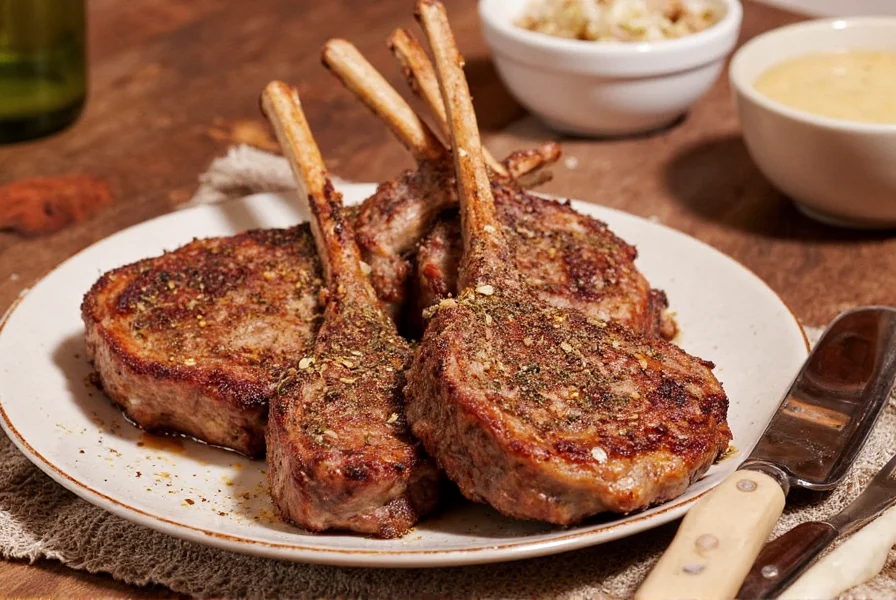
Understanding the Basics of Flavor
Flavor in food comes from four main components: sweet, sour, salty, and bitter. For lamb chops, balancing these elements creates depth and complexity. Salt is essential for bringing out natural meat flavors, while pepper adds heat and aroma. Herbs like rosemary, thyme, and oregano provide earthy notes, and garlic contributes pungency. Bold spices such as cumin, paprika, and chili powder offer smoky or spicy kicks for adventurous palates.
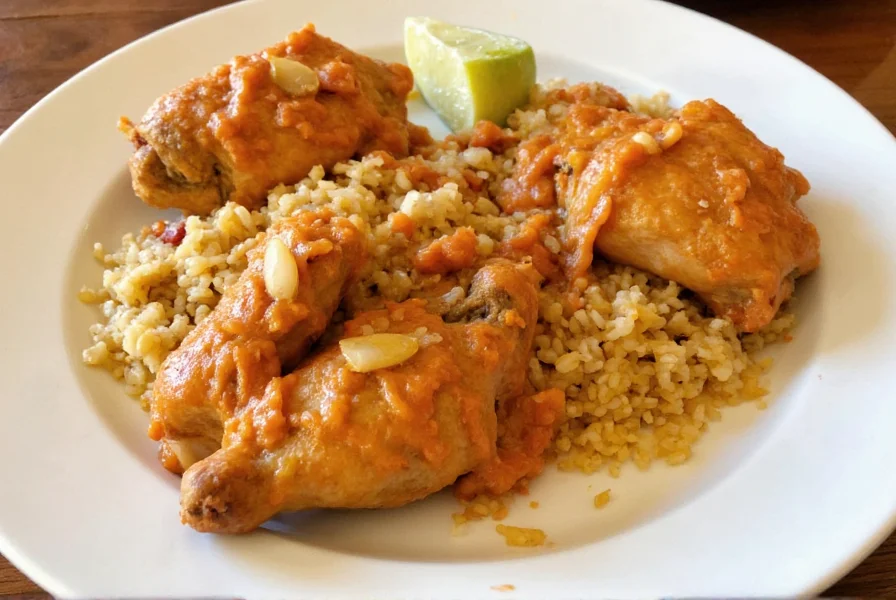
Practical Tips for Seasoning Lamb Chops
- Pat them dry first. Removing excess moisture ensures seasoning sticks better and promotes a perfect sear.
- Use room temperature meat. Cold meat absorbs seasoning poorly; let it sit out for 30 minutes before cooking.
- Don't be shy with salt. Season generously to enhance flavor and improve tenderness.
- Let it rest before cooking. Allow 30-60 minutes for flavors to meld and penetrate the meat.
- Experiment with herb rubs. Mix fresh or dried herbs with olive oil for a fragrant, even coating.
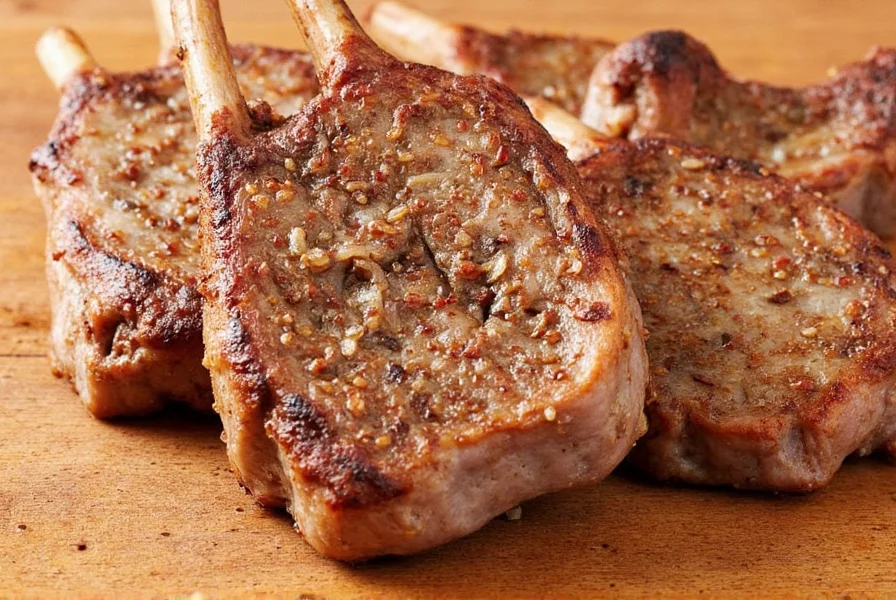
| Spice Combination | Flavor Profile | Best For |
|---|---|---|
| Garlic, Rosemary, and Olive Oil | Earthy, aromatic, and savory | Roasted or grilled lamb chops |
| Cumin, Paprika, and Chili Powder | Smoky, spicy, and bold | Grilled or barbecued lamb chops |
| Oregano, Lemon Zest, and Garlic | Citrusy, bright, and zesty | Stir-fries or quick-cooked lamb chops |
| Thyme, Shallots, and Balsamic Vinegar | Rich, tangy, and complex | Slow-roasted or braised lamb chops |
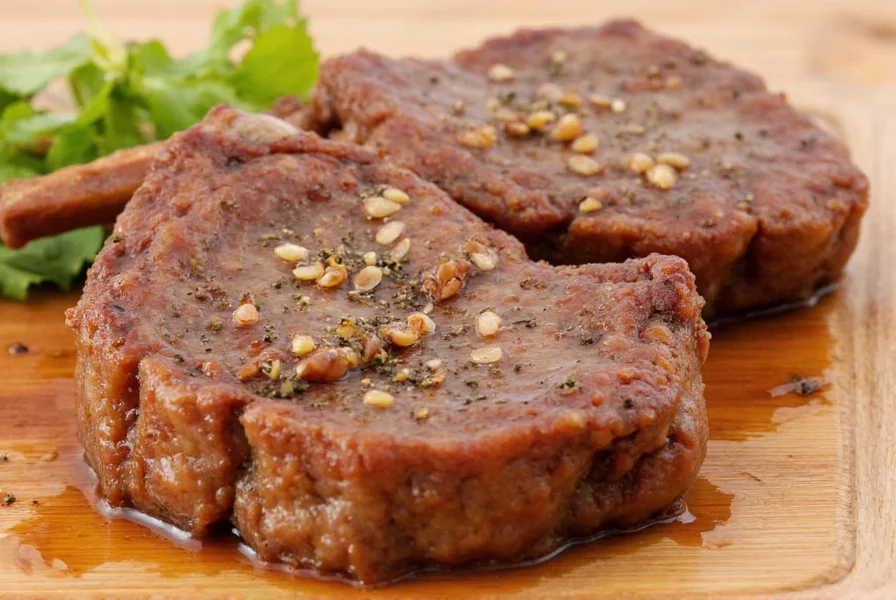
Buying Guide: Choosing the Right Spices
Top Picks for Seasoning Lamb Chops
- Black Pepper – Adds warmth and depth. Best used freshly ground for maximum flavor.
- Dried Oregano – Offers a strong, earthy flavor. Great for Mediterranean-style dishes.
- Paprika (Sweet or Smoked) – Adds color and subtle smokiness. Ideal for grilled or roasted lamb.
- Cumin – Provides a warm, nutty flavor. Perfect for Middle Eastern or Mexican-inspired recipes.
- Rosemary – Adds a pine-like aroma and woody flavor. Best used in roasted or slow-cooked dishes.
If you're looking for a pre-made seasoning blend, consider these options:
| Product Name | Features | Advantages | Target Audience | Suitable Occasions |
|---|---|---|---|---|
| Herb & Spice Blend for Lamb | Contains rosemary, thyme, garlic, and lemon zest | Convenient and ready to use | Cooking enthusiasts who want quick results | Weekend dinners, family gatherings |
| Smoky BBQ Rub | Includes paprika, cumin, garlic powder, and chili | Great for grilling and smoking | BBQ lovers and outdoor chefs | Summer cookouts, backyard parties |
| Italian Herb Mix | Combines oregano, basil, and garlic | Perfect for Mediterranean-style meals | Those who enjoy Italian cuisine | Weeknight dinners, casual lunches |
Frequently Asked Questions
How long before cooking should I season lamb chops?
For best results, season lamb chops at least 30-60 minutes before cooking. This allows the salt to penetrate the meat and enhance flavor throughout. For even better results, you can season lamb chops up to 24 hours in advance and let them rest uncovered in the refrigerator, which also helps develop a better sear when cooking.
What is the best seasoning for lamb chops?
The best seasoning depends on your taste preferences, but classic combinations include:
- Garlic, rosemary, and olive oil for an earthy, aromatic profile
- Cumin, paprika, and chili powder for a smoky, spicy kick
- Oregano, lemon zest, and garlic for a bright, citrusy flavor
- Thyme, shallots, and balsamic vinegar for a rich, complex taste
The key is balancing salt, herbs, and aromatics without overpowering lamb's distinctive flavor.
Should I marinate lamb chops?
Marinating is optional but can enhance flavor and tenderness. Lamb has a strong flavor that stands up well to bold seasonings. If you choose to marinate:
- 2-4 hours is usually sufficient for lamb chops
- Use acidic ingredients like lemon juice or vinegar in moderation (too much can make the surface mushy)
- Olive oil-based marinades with herbs and garlic work particularly well
For quick meals, a simple dry rub applied 30-60 minutes before cooking often yields excellent results.
Do I need to use salt on lamb chops?
Yes, salt is essential for seasoning lamb chops properly. It does three important things:
- Enhances the natural flavor of the meat
- Helps form a delicious crust when searing
- Can improve tenderness when applied sufficiently in advance
Use kosher salt or sea salt, and don't be shy with it - lamb can handle more salt than many other meats due to its robust flavor.
Can I use dried herbs instead of fresh ones for seasoning lamb chops?
Yes, dried herbs work well for lamb chop seasoning, but there are some important considerations:
- Dried herbs are more concentrated - use about one-third the amount of dried herbs compared to fresh
- Dried rosemary, thyme, and oregano are particularly good with lamb
- For best flavor, rub dried herbs between your fingers before applying to release their oils
- Dried herbs are better suited for longer cooking methods, while fresh herbs are ideal for finishing
Conclusion
Seasoning lamb chops is both an art and a science. With the right knowledge, tools, and creativity, you can turn this humble cut of meat into something truly exceptional. Whether you're using a simple salt and pepper rub or a complex spice blend, the goal is to enhance the natural flavor of the lamb and create a memorable dining experience.
So the next time you're preparing lamb chops, remember: the right seasoning can make all the difference. Experiment, taste, and most importantly, enjoy the process. After all, cooking is about bringing people together through flavor—and nothing says 'I care' like a perfectly seasoned lamb chop.




 浙公网安备
33010002000092号
浙公网安备
33010002000092号 浙B2-20120091-4