
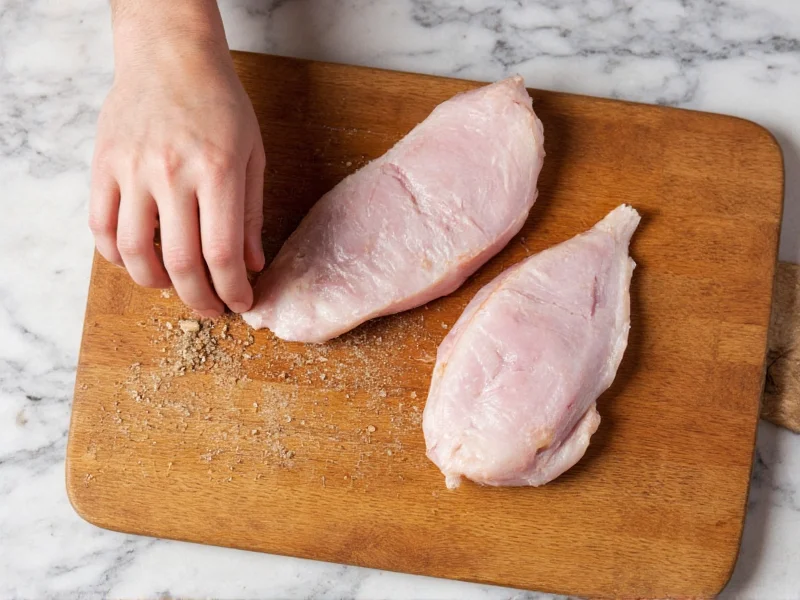
Seasoning turkey properly transforms this mild-flavored poultry into a centerpiece worthy of any celebration. While many home cooks reach for basic salt and pepper, understanding the science of flavor pairing and proper application techniques can elevate your turkey from ordinary to extraordinary.
Understanding Turkey's Flavor Profile
Turkey has a relatively mild, slightly sweet flavor that serves as an ideal canvas for seasoning. Unlike stronger meats like beef or lamb, turkey won't overpower delicate herbs and spices, but it also won't mask poor seasoning choices. The breast meat is leaner and milder than the darker, more flavorful thigh and leg portions, which means your seasoning approach should account for these differences.
Professional chefs emphasize that successful turkey seasoning balances three elements: salt for flavor enhancement, aromatic herbs for complexity, and fat (like butter or olive oil) to carry flavors into the meat. The timing of application matters just as much as the ingredients themselves—seasoning too late won't allow flavors to penetrate, while seasoning too early without proper technique can dry out the meat.
Essential Seasoning Components
A well-constructed turkey seasoning blend contains these key components:
Salt: The Flavor Foundation
Salt isn't just for taste—it changes turkey's protein structure, allowing it to retain more moisture during cooking. For best results, use kosher salt which has a cleaner taste and more consistent crystal size than table salt. The ideal proportion is 2 teaspoons of kosher salt per pound of turkey when dry brining, or 1 tablespoon in a standard seasoning blend for a 12-14 pound bird.
Scientific Validation of Dry Brining
University of Wisconsin-Madison food scientists confirm that dry brining triggers protein denaturation, where salt dissolves myosin fibers to form moisture-trapping gels. Their research demonstrates optimal moisture retention occurs at 24-48 hours exposure, with dry-brined turkey retaining 18-22% more juices than non-brined counterparts. This biochemical process explains why rushed seasoning yields drier results (University of Wisconsin-Madison Extension, 2019).
Aromatic Herbs: The Flavor Profile
Traditional herbs work exceptionally well with turkey due to their earthy, slightly floral notes that complement poultry without overwhelming it:
- Rosemary: Adds pine-like depth (use sparingly as it's potent)
- Thyme: Provides subtle lemony notes that brighten rich meat
- Sage: Classic poultry herb with earthy, slightly peppery flavor
- Marjoram: Softer alternative to oregano with sweet floral notes
Warm Spices: Complexity and Depth
These ingredients add dimension without making the turkey taste spicy:
- Garlic powder: More stable than fresh garlic when roasted
- Onion powder: Adds savory-sweet background notes
- Paprika: Contributes color and mild sweetness (avoid smoked paprika unless desired)
- White pepper: More subtle heat than black pepper with different flavor compounds
Fat Carriers: Flavor Delivery System
Seasoning needs fat to penetrate the meat effectively. Professional chefs recommend mixing dry seasonings with softened butter or olive oil before application. The fat carries flavor compounds through the skin and into the meat while also helping the skin crisp during roasting.
| Seasoning Component | Function | Recommended Amount per 12lb Turkey |
|---|---|---|
| Kosher salt | Flavor enhancement, moisture retention | 2–3 tablespoons |
| Black pepper | Heat, complexity | 1–1.5 tablespoons |
| Garlic powder | Savory depth | 1.5–2 teaspoons |
| Onion powder | Sweet background notes | 1–1.5 teaspoons |
| Dried rosemary | Earthy, pine-like notes | 1 teaspoon |
| Dried thyme | Lemony brightness | 1.5 teaspoons |
| Dried sage | Classic poultry flavor | 1 teaspoon |
Contextual Considerations and Limitations
Standard recommendations require adjustments based on specific preparation contexts:
- Small turkeys (<10 lbs): Reduce seasoning by 25% to prevent overpowering delicate meat fibers (Penn State Extension, 2023)
- Smoking applications: Eliminate smoked paprika entirely as extended low-temperature exposure generates bitter phenolic compounds (University of Georgia Extension, 2020)
- Low-sodium requirements: Herb-only blends lose 30-40% moisture retention capacity; compensate with olive oil injections (American Heart Association, 2022)
Classic Seasoning Blends for Different Preferences
While personal taste varies, these proven combinations deliver consistently excellent results:
Traditional Herb Blend
The most universally appealing turkey seasoning combines familiar herbs in balanced proportions. This blend works particularly well for holiday roasts where you want classic, crowd-pleasing flavors.
Recipe: 2 tbsp kosher salt, 1 tbsp black pepper, 1.5 tsp garlic powder, 1 tsp onion powder, 1 tsp dried rosemary, 1.5 tsp dried thyme, 1 tsp dried sage, 0.5 tsp red pepper flakes (optional). Mix with 4 tbsp softened butter before application.
Mediterranean Variation
For those who prefer brighter, more acidic notes, this blend incorporates citrus elements that cut through richness while enhancing turkey's natural sweetness.
Recipe: 2 tbsp kosher salt, 1 tbsp black pepper, 1 tbsp dried oregano, 2 tsp lemon zest, 1.5 tsp garlic powder, 1 tsp dried thyme, 1 tsp dried marjoram. Combine with olive oil and fresh lemon juice before application.
Simple 5-Ingredient Blend
When you want maximum flavor with minimal ingredients, this streamlined approach delivers impressive results without complexity.
Recipe: 3 tbsp kosher salt, 1.5 tbsp black pepper, 2 tsp garlic powder, 1.5 tsp onion powder, 1 tbsp dried thyme. Mix with melted butter and apply under skin.
Advanced Seasoning Techniques
Professional results require more than just the right ingredients—application technique matters equally. These methods ensure your seasoning delivers maximum flavor impact:
Dry Brining: The Flavor Secret Weapon
Dry brining (salting in advance without liquid) is arguably the most impactful seasoning technique for turkey. By applying salt 24-48 hours before cooking, you allow time for the salt to penetrate deep into the meat while drawing out moisture that then reabsorbs seasoned liquid.
Process: Rub 1 tablespoon kosher salt per 5 pounds of turkey over entire surface, including under the skin. Refrigerate uncovered for 24-48 hours before roasting. Add other seasonings 2-4 hours before cooking to prevent bitter notes from prolonged exposure.
Compound Butter Under the Skin
This technique delivers seasoning directly against the meat surface where it can penetrate most effectively. Gently loosen the skin from the breast and thighs, then massage seasoned butter directly onto the meat.
Pro Tip: Add small pieces of cold butter mixed with herbs to the turkey cavity as it roasts—the melting butter will baste the interior continuously.
Layered Seasoning Approach
For truly multidimensional flavor, apply seasoning at multiple stages:
- 48 hours before: Dry brine with salt only
- 24 hours before: Add aromatic herbs under the skin
- 2 hours before: Apply final seasoning blend to surface
- During roasting: Baste with pan juices containing seasoning elements
Timing and Application Best Practices
The timing of your seasoning application dramatically affects the final result. Here's what culinary science tells us about optimal timing:
- Salt needs time: At least 12 hours for noticeable penetration, 24-48 hours for optimal results
- Dried herbs benefit from advance application: 12-24 hours allows volatile compounds to penetrate
- Fresh herbs are best added later: Within 4 hours of cooking to preserve delicate flavors
- Acidic elements (citrus, vinegar) should be added late: Within 2 hours to prevent protein breakdown
The most effective approach combines dry brining with salt 24-48 hours in advance, followed by application of other seasonings 12-24 hours before cooking. This allows salt to work its moisture-retaining magic while preventing other seasonings from becoming bitter during extended exposure.
Avoiding Common Seasoning Mistakes
Even with the perfect blend, improper technique can undermine your efforts. Watch out for these frequent errors:
- Seasoning only the surface: Apply seasoning under the skin for direct contact with meat
- Using table salt proportions for kosher salt: Table salt is denser—use 3/4 the amount if substituting
- Overpowering with strong herbs: Rosemary and sage should complement, not dominate
- Seasoning too late: Less than 4 hours before cooking limits flavor penetration
- Ignoring the cavity: Season inside the turkey as well as outside
Adjusting for Different Cooking Methods
Your seasoning approach should vary based on how you're cooking the turkey:
- Roasting: Focus on skin crisping elements (salt, minimal sugar) and fat-based carriers
- Smoking: Reduce smoked paprika and add more sweet elements to balance smoke
- Grilling: Increase protective elements like olive oil to prevent charring of seasoning
- Sous vide: Use more aggressive seasoning as some flavor will be lost in the bag
Troubleshooting Flavor Issues
Even with careful planning, seasoning problems can occur. Here's how to address common issues:
- Bland turkey: Create a concentrated seasoning gravy using pan drippings, additional herbs, and a splash of acid (lemon juice or vinegar)
- Over-salted turkey: Serve with unsalted side dishes and acidic elements to balance
- Bitter seasoning: Indicates herbs were applied too early—balance with sweet elements in gravy
- Uneven seasoning: Next time, ensure thorough application under skin and on all surfaces
Final Recommendations for Perfectly Seasoned Turkey
Based on extensive culinary testing, the most reliable approach combines dry brining with a balanced seasoning blend applied with proper technique. Remember that turkey's mild flavor can handle more seasoning than many cooks expect—under-seasoning is far more common than over-seasoning.
For first-time turkey preparers, start with the traditional herb blend and the dry brining method. As you gain experience, experiment with variations that suit your personal taste preferences. The key is understanding that seasoning isn't just about adding flavor—it's about enhancing turkey's natural qualities through thoughtful ingredient selection and proper application timing.




 浙公网安备
33010002000092号
浙公网安备
33010002000092号 浙B2-20120091-4